Is Buying a Home Really a Good Investment?
TL;DR
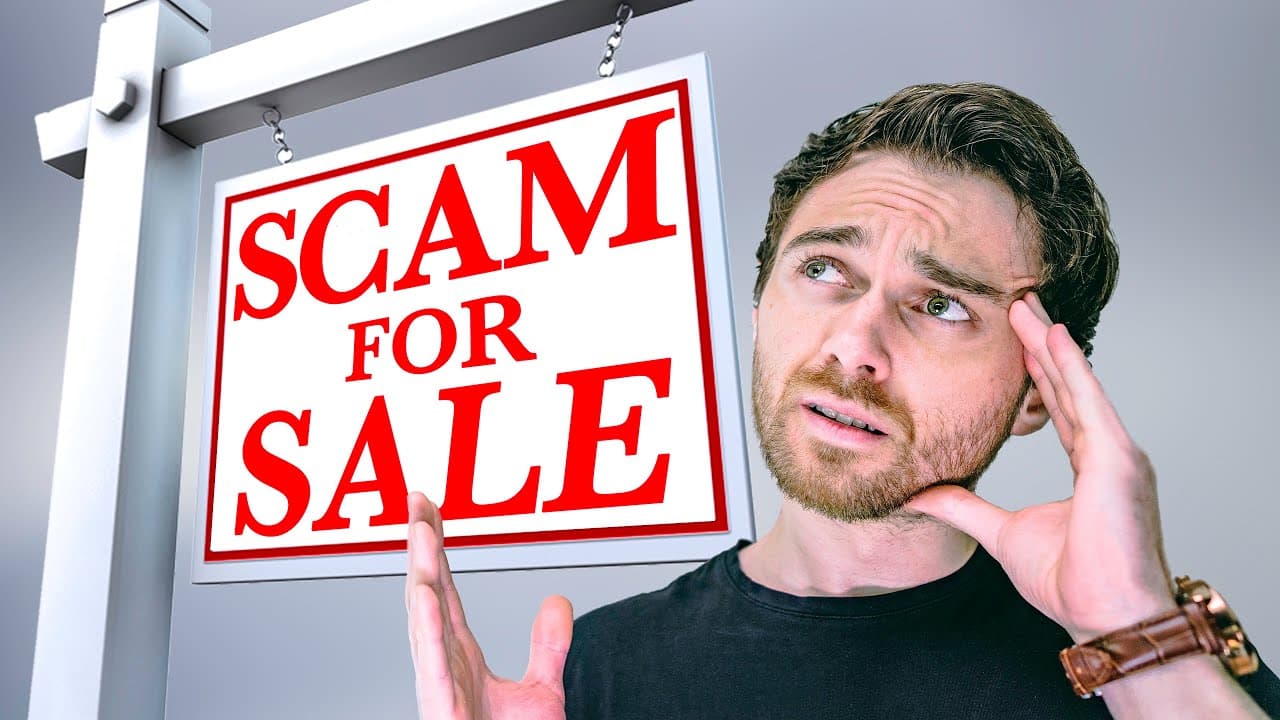
A primary home is often better understood as a lifestyle choice and forced savings tool than as a strong investment. Ownership brings leverage, interest, taxes, insurance, maintenance, concentration risk, high transaction costs, and limited liquidity, but it can still suit long-term residents, people who value customization, and those who struggle to save consistently.
Transcript
Hey guys, happy Monday. My name is Andrei Jikh, and in today's video, I wanna share with you my thoughts on why I think your house is a terrible investment. Now, before you down-vote this video into oblivion, let's remain calm and collected, and let's pretend that we've known each other for years and that we're great friends, and that every time I ... Read More
Key Insights
- A primary residence is an illiquid asset because buying or selling can require weeks or months of effort, paperwork, energy, and stress. That delay makes home equity difficult to access quickly compared with stocks that can be sold immediately.
- Home transactions are expensive because commissions, reports, documents, licensing requirements, and other fees increase the cost of entering or leaving the investment. The hypothetical discussion uses a 5% commission to illustrate how these expenses can reduce an owner's return.
- Mortgage leverage magnifies both gains and losses because the owner controls a large asset with borrowed money. Rising prices can make modest appreciation appear impressive, but falling prices can damage equity quickly and potentially wipe out the owner's invested capital.
- A house is geographically concentrated because its value depends on one neighborhood and a limited pool of possible buyers. Crime, a factory closure, higher local taxes, or an environmental disaster can hurt property value while also threatening the owner's employment or income.
- Homeownership requires recurring spending because buildings need continuing maintenance and can be damaged by weather, fire, or vandalism. Owners may also pay for insurance, while some damaging events may require additional coverage or may not be covered under an existing contract.
- Property ownership creates continuing tax obligations because local and state governments can collect taxes every year rather than waiting for a sale. Taxes may rise when a property's value increases, and failure to meet those obligations can threaten the owner's ability to remain there.
- The strongest reasons to buy a home are often emotional or practical rather than investment-driven. Long-term stability, pride in maintaining a backyard, freedom to choose paint colors, and the ability to customize a living space can make ownership worthwhile.
- A mortgage can serve as forced savings because regular payments help build equity for people who have difficulty saving or investing independently. Even with opportunity costs, accumulating home equity can be more beneficial than repeatedly spending available money on unnecessary purchases.
Install to Summarize YouTube Videos and Get Transcripts
Explore YouTube Video Summarizer or Get YouTube Transcript Extractor
Questions & Answers
Q: Why can a primary home be a poor investment?
A primary home can be a poor investment because it combines recurring costs, limited liquidity, high transaction expenses, leverage, and geographic concentration. It does not produce products, services, ideas, or dividends for its owner, yet it requires mortgage interest, taxes, insurance, and maintenance. Selling may take weeks or months, and local economic or environmental problems can reduce its value.
Q: What costs make homeownership expensive over time?
Homeowners face more than the initial purchase price. They may repeatedly pay mortgage interest, property taxes, insurance premiums, and maintenance expenses needed to prevent the building from deteriorating. Buying and selling can also involve commissions, reports, documents, licensing-related charges, and other transaction costs. Damage from weather, fire, or vandalism may create additional expenses, particularly when insurance excludes an event.
Q: How does mortgage leverage affect home investment returns?
Mortgage leverage allows someone to control a house by investing less than its full purchase price, so a small rise in the property's price can create a much larger percentage gain on the owner's equity. The same mechanism also works in reverse. A decline can rapidly reduce equity or wipe it out, while the borrower must continue paying interest on the loan.
Q: Why is a house considered an illiquid investment?
A house is illiquid because converting it into cash generally requires substantially more time and effort than selling stocks. Finding a buyer, completing reports and documents, managing the transaction, and closing the sale can take weeks or months. This creates stress and makes the property's value difficult to access when the owner suddenly needs money, especially compared with equities that can be sold immediately.
Q: How does location create risk for homeowners?
A house is tied to one neighborhood, so its value depends on local conditions and a limited group of potential buyers. A violent gang moving nearby, a factory closing, an aggressive increase in local taxes, or an environmental disaster could reduce demand and value. These events may also hurt local employment, causing the owner's property loss and income loss to happen together.
Q: When can buying a home still be a good decision?
Buying can be a good decision for someone who expects to remain in one area for a long time and values control over the living space. Ownership lets people care for a backyard, choose paint colors, and customize a property to their preferences. It can also help people who struggle to save, because mortgage payments provide a structured way to build equity and net worth.
Q: Is renting a home the same as throwing money away?
Renting is not the same as throwing money away. Housing decisions include lifestyle needs, opportunity costs, and the substantial recurring and transaction expenses attached to ownership. A family can have a wholesome and happy life without owning a fixed residence, and settling down does not require buying. The appropriate choice depends on personal circumstances rather than the assumption that every rent payment is wasted.
Q: How can a mortgage support other investments?
A mortgage can provide access to hundreds of thousands of dollars at a stated rate of 3 to 4% for the next 30 years. The owner may then direct available money toward alternative investments, such as the stock market, that could produce greater returns, while potentially receiving tax breaks. The argument is that long-term borrowing can effectively short the US dollar, though most homeowners do not frame it that way.
Summary & Key Takeaways
-
A house has several characteristics of an unattractive investment: recurring expenses, slow and costly transactions, geographic concentration, leverage, and limited productive output. Its apparent returns can also be misleading because debt magnifies gains while exposing the owner to larger losses, and ongoing ownership requires taxes, insurance, interest, and maintenance.
-
Homeownership can still provide meaningful benefits that are not primarily financial. It offers stability to people expecting to remain in one area, allows owners to customize their surroundings, and gives satisfaction to those who enjoy caring for a property. These lifestyle benefits may justify buying even when investment returns are unimpressive.
-
A mortgage can function as forced saving because each payment can help build equity, which benefits people who otherwise struggle to save or invest. Long-term borrowing at 3 to 4% may also let an owner direct other money toward alternative investments, although that strategy involves opportunity costs and should not make renting seem wasteful.
Read in Other Languages (beta)
Share This Summary 📚
Summarize YouTube Videos and Get Video Transcripts with 1-Click
Try YouTube Summary with ChatGPT & Claude or YouTube Transcript Generator
Explore More Summaries from Andrei Jikh 📚

Summarize YouTube Videos and Get Video Transcripts with 1-Click
Try YouTube Summary with ChatGPT & Claude or YouTube Transcript Generator