How to Use Gibbs' Reflective Cycle for Self-Improvement
TL;DR
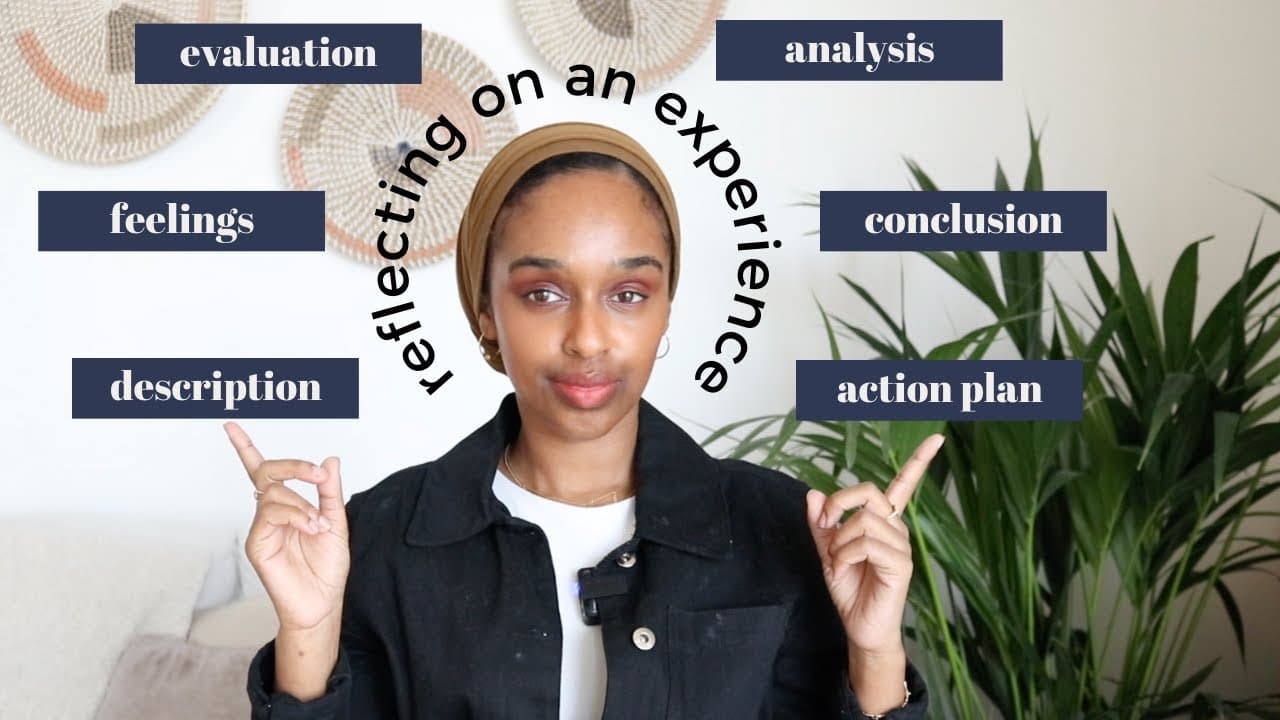
The Gibbs' Reflective Cycle is a six-step framework for effective self-reflection that includes describing, feeling, evaluating, analyzing, concluding, and creating an action plan. By following these steps, individuals can better understand their past experiences, learn from them, and implement actionable changes for future improvement.
Transcript
hey everyone and welcome back to my channel and also happy New Year if I haven't said it already and this is the first video that you're watching on my channel now for today's video I wanted to talk a little bit about reflecting and how to reflect in a way that is constructive and leads you to learn from the experience that you had be it a positive... Read More
Key Insights
- 🍝 Reflecting on past experiences is crucial for personal growth and development.
- 🤳 The Gibbs's Reflective Cycle provides a structured approach to self-reflection.
- 🤩 Description, feeling, evaluating, analysis, conclusion, and action plan are the key steps in the reflective process.
- 🍝 Analyzing past experiences helps in understanding reasons behind actions and making improvements.
- 🌱 Creating an action plan is essential for implementing changes based on reflection.
- 🥺 Self-reflection using academic frameworks can lead to significant personal growth.
- ❎ Reflecting on both positive and negative experiences is necessary for holistic growth.
Install to Summarize YouTube Videos and Get Transcripts
Explore YouTube Video Summarizer or Get YouTube Transcript Extractor
Questions & Answers
Q: Why is reflecting on past experiences important?
Reflecting on past experiences is important as it allows individuals to understand what happened, how they felt, evaluate their actions, analyze reasons, draw conclusions, and create actionable steps for improvement.
Q: What are the key steps in the Gibbs's Reflective Cycle?
The key steps in the Gibbs's Reflective Cycle are description, feeling, evaluating, analysis, conclusion, and action plan, each playing a crucial role in self-reflection and personal growth.
Q: How can analyzing past experiences help in personal development?
Analyzing past experiences helps in personal development by understanding the reasons behind actions, making sense of situations, and identifying areas for improvement, leading to enhanced self-awareness and growth.
Q: Why is creating an action plan essential in the reflective process?
Creating an action plan is essential in the reflective process as it provides a roadmap for implementing changes, developing required skills, and ensuring that lessons learned from reflection are applied in future situations.
Summary & Key Takeaways
-
Reflecting on experiences, whether positive or negative, is crucial for personal growth.
-
The Gibbs's Reflective Cycle includes six steps: description, feeling, evaluating, analysis, conclusion, and action plan.
-
Through this framework, individuals can understand past events, emotions, evaluate actions, analyze reasons, draw conclusions, and create actionable steps for improvement.
Read in Other Languages (beta)
Share This Summary 📚
Summarize YouTube Videos and Get Video Transcripts with 1-Click
Try YouTube Summary with ChatGPT & Claude or YouTube Transcript Generator
Explore More Summaries from Dr Amina Yonis 📚

Summarize YouTube Videos and Get Video Transcripts with 1-Click
Try YouTube Summary with ChatGPT & Claude or YouTube Transcript Generator