How to Optimize Amazon Listings for More Sales
TL;DR
Improve an Amazon listing by pairing products strategically, adding keyword-rich Q&A responses, publishing useful videos, and acting on Amazon’s listing recommendations. Customer-focused inserts, stronger packaging, Brand Analytics, account and inventory checks, and B2B quantity pricing can also increase visibility, perceived value, customer engagement, and sales opportunities.
Transcript
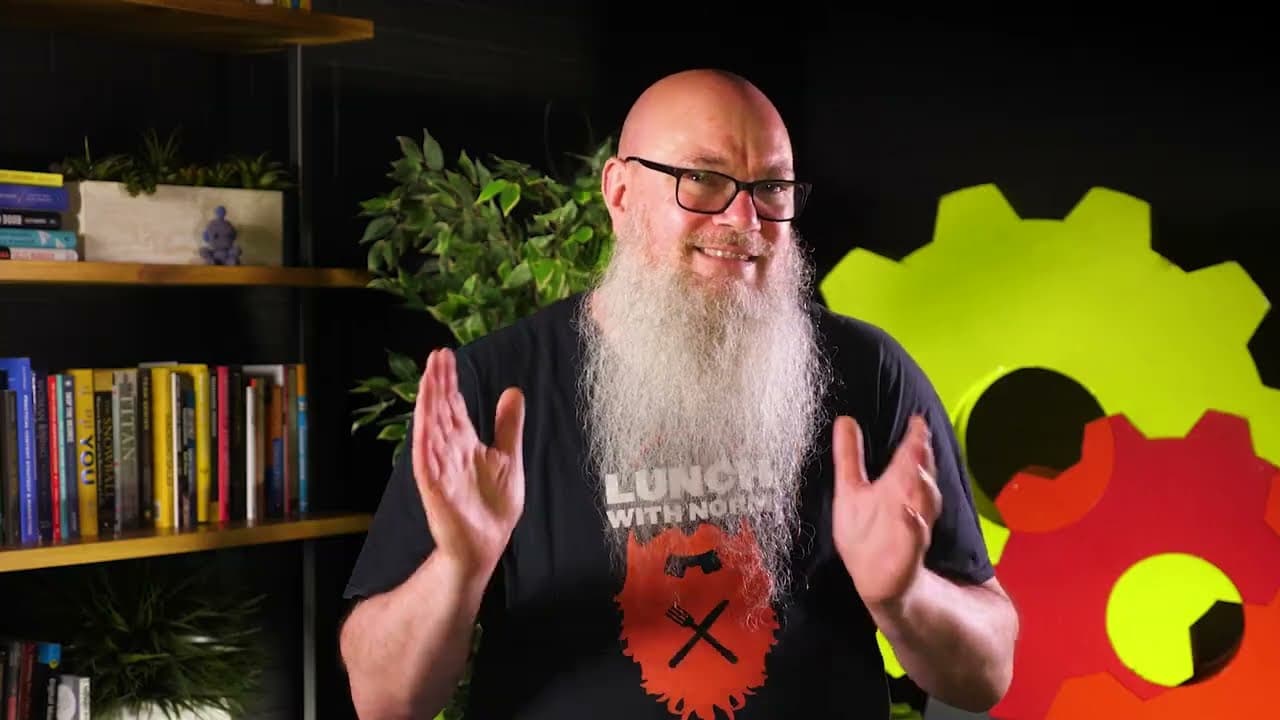
today we're talking about product listing but we're talking about some Advanced tips if you have not seen the basic a product launch make sure you go and watch that video first because you'll be lost in this video hey I'm Norm Ferrar AKA The Beard guy and I'm at digital marketer Studios so these are tips that few people know about or apply to their... Read More
Key Insights
- Frequently Bought Together is an opportunity to associate a listing with complementary items. Sellers can encourage a small number of launch purchases that combine their product with their other products or with popular related items, such as pairing soap with a soap dish or back scrubber.
- The Q&A section is a place to provide useful information while weaving relevant keywords into natural questions and answers. Sellers can prepare common questions, respond professionally to criticism, and use video answers to explain benefits, features, or their appreciation for customer feedback.
- Reviews are a source of customer feedback that should be monitored and answered professionally. Low ratings may reflect personal preferences rather than product defects, and the transcript estimates that a strong product typically receives reviews from about 4% of consumers without incentivizing reviewers.
- Nano and micro influencers can create affordable product content, including unboxings, demonstrations, and assembly instructions. Their videos may appear within a listing’s related-video area through Amazon’s algorithm, while the influencers can also post about the product to their own audiences.
- A long product video can be divided into 15-second or 30-second segments covering separate topics. Distinct thumbnails for benefits, features, instructions, and demonstrations can make the related-video carousel resemble a structured educational series and encourage shoppers to explore the product.
- Customer inserts work best when they solve a pain point or deliver a useful advantage. A QR code might lead knife buyers to a recipe book, a 52-week meal plan, information about a honing rod, or an extended warranty in exchange for an email address.
- Packaging can increase perceived value without changing the cost of goods or traffic. In the cited case study, changing a knife’s packaging and market presentation supported a price increase from $49 to $124 while making buyers perceive it as a higher-quality product.
- Amazon’s internal seller tools can identify overlooked listing and business opportunities. Listing Quality Score, Growth Opportunities, Brand Analytics, Account Health, Inventory Health, and B2B Central can suggest content improvements, better search terms, new audiences, operational actions, and quantity pricing.
Install to Summarize YouTube Videos and Get Transcripts
Explore YouTube Video Summarizer or Get YouTube Transcript Extractor
Questions & Answers
Q: How can Frequently Bought Together increase Amazon sales?
Frequently Bought Together can place a product beside one or two complementary items that shoppers may purchase in the same order. During launch, sellers can encourage people within their circle to buy suitable items together. A soap seller, for example, could seek an association with a bestselling soap dish or back scrubber, creating another path for shoppers to discover and purchase the soap.
Q: How should Amazon sellers use the product Q&A section?
Amazon sellers can use Q&A to answer common buyer concerns, describe why the product is useful, and naturally include relevant keywords. Questions may be prepared and sent to people, while answers can include text or video. Even when a question or comment is negative, the response should remain respectful and professional, thanking the person for the opinion instead of reacting emotionally.
Q: How should sellers respond to negative Amazon reviews?
Sellers should monitor reviews and respond professionally to each one, including one-star, two-star, and three-star feedback. A poor rating does not always indicate a correctable defect, because buyers may simply dislike a characteristic that was already visible on the page, such as green soap. Sellers should accept honest preferences, avoid hostile reactions, and never incentivize reviews because that would break Amazon’s terms.
Q: How can influencers improve an Amazon product listing?
Influencers can produce unboxing videos, demonstrations, and assembly guidance that help shoppers understand a product. Nano or micro influencers may be available for free or at a low price, and services such as Billow can connect sellers with creators. Amazon’s algorithm may place their content in the related-video area, while creators can also post about the product through their own channels.
Q: How can sellers fill the Amazon related-video carousel?
Sellers can create one long, carefully scripted video and divide it into 15-second or 30-second clips. Each segment should address a distinct topic, such as benefits, features, instructions, or a product demonstration, and should have a matching thumbnail. Filling the carousel this way creates a sequence of short educational lessons that shoppers can browse while evaluating the listing.
Q: What should an Amazon product insert offer customers?
A product insert should solve a customer problem or provide a useful advantage rather than focus on promoting the seller. For a chef’s knife, a QR code could provide a recipe book, a 52-week meal plan, guidance involving a honing rod, or an extended warranty. A sufficiently valuable offer can motivate buyers to visit a landing page and provide their email address.
Q: How can packaging increase an Amazon product’s price?
Packaging can raise perceived value by presenting the same product as a higher-quality offering. The transcript describes a knife that moved from a $49 price to $124 after its packaging and market perception were changed, with the same cost of goods and traffic. Sellers can study competitors and improve details such as presentation, safety seals, and transparent tamper-evident stickers.
Q: Which Amazon tools help improve listings after launch?
Amazon sellers can review Listing Quality Score for ranking suggestions and overlooked audiences, then use Growth Opportunities for recommendations such as adding video, A+ content, or keywords. Brand-registered sellers can examine search terms in Brand Analytics and replace low-traffic keywords. Account Health and Inventory Health identify operational concerns, while B2B Central supports business information and quantity-based pricing for wholesale purchases.
Summary & Key Takeaways
-
Amazon listings can gain additional exposure through Frequently Bought Together associations, detailed Q&A responses, review management, and related videos. Sellers can encourage purchases involving complementary products, answer questions professionally with relevant keywords, and use influencer-created demonstrations or unboxings to occupy more of the video carousel and educate prospective buyers.
-
Customer inserts should solve a buyer’s problem instead of merely promoting the seller. Useful incentives can include recipe books, meal plans, or extended warranties accessed through a QR code. Packaging can also raise perceived value, as demonstrated by a knife whose price increased from $49 to $124 after its presentation was changed.
-
Amazon provides internal tools for identifying improvements after launch. Listing Quality Score, Growth Opportunities, Brand Analytics, Account Health, and Inventory Health can reveal missing audiences, content needs, keyword opportunities, and operational problems. B2B Central additionally lets eligible sellers offer quantity-based pricing and pursue wholesale orders in units such as 5, 10, 25, or 100.
Read in Other Languages (beta)
Share This Summary 📚
Summarize YouTube Videos and Get Video Transcripts with 1-Click
Try YouTube Summary with ChatGPT & Claude or YouTube Transcript Generator
Explore More Summaries from DigitalMarketer 📚


Summarize YouTube Videos and Get Video Transcripts with 1-Click
Try YouTube Summary with ChatGPT & Claude or YouTube Transcript Generator