Is Fishboy by Mark Richard Worth Reading?
TL;DR
Read Fishboy for its finely edited language, strange cadence, gallows humor, and immersive nautical Southern Gothic atmosphere, not for conventional realism or tidy logic. The novel follows an abandoned, waterlogged boy who kills his oppressive caretaker in self-defense, boards a mysterious ship, and enters a grotesque world of violent sailors, ghostly figures, tall tales, and magical realism.
Transcript
got that coconut oil in there all fatty for that bulletproof coffee little big fan good morning everyone welcome to better than food book reviews i'm your host cliff early sergeant still in transition but at least I got my bed in the books it's all I need hope you're all doing very well today is a very interesting book for your summer read fish boy... Read More
Key Insights
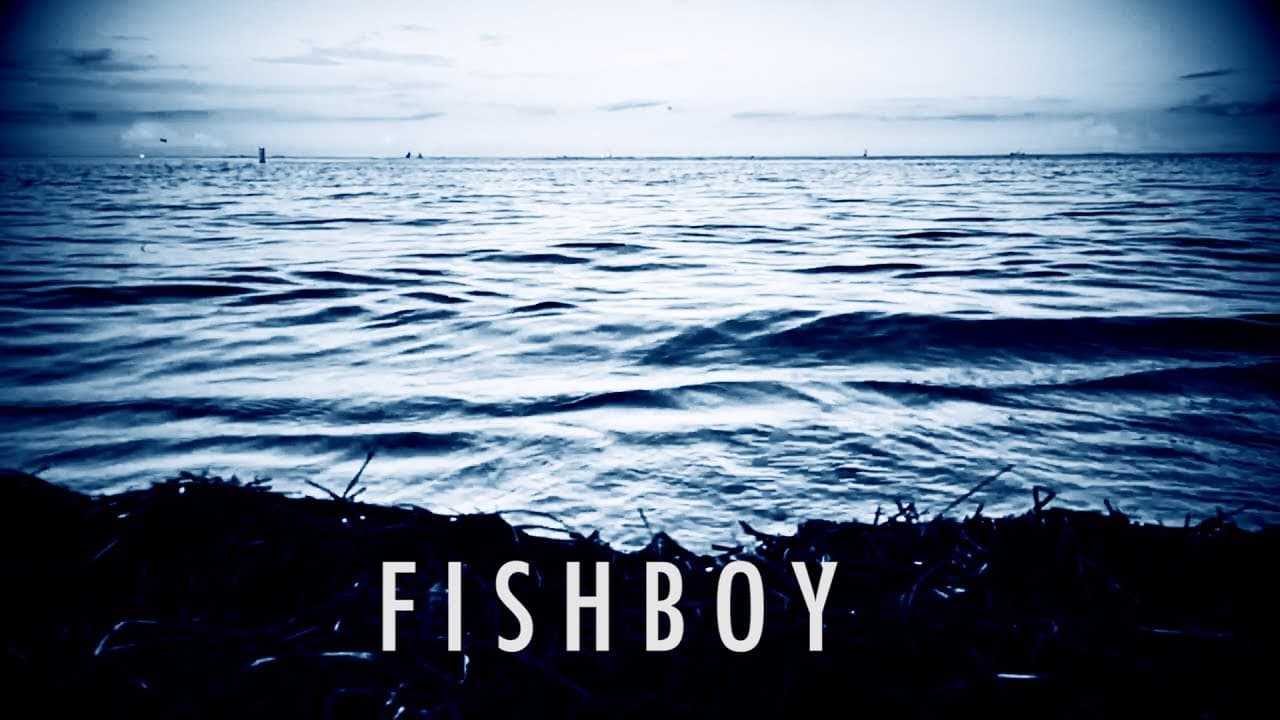
- Fishboy is a short nautical Southern Gothic novel whose strongest appeal comes from its language, cadence, grotesque imagery, magical realism, and dark humor. The reviewer compares its atmosphere to a stormy dockside tale heard through a poor radio in a decaying bar near the sea.
- The novel's narrator is a pale, meek, waterlogged boy who was abandoned in a swamp and carries memories of abuse. After surviving in mud and stagnant water, he becomes a strange half-human figure whose perspective makes the surrounding world appear even more distorted and threatening.
- The central escape begins when Big Miss McGoun tries to eat Fishboy at the grimy fish factory where he works. He stabs her in self-defense, runs to a strange ship that has entered port, and boards as a stowaway, trading an oppressive life for a more dangerous adventure.
- The ship's crew is a collection of damaged outsiders whose histories are repeatedly told despite being better left concealed. Their violent behavior, bizarre bodies, private obsessions, and expectation of painful death make them feel less like realistic sailors and more like figures from a diseased maritime myth.
- John is an enormous, scarred sailor whose tattooed body functions as a set of nautical maps needed by the crew. He has been mangled by sharks and continues searching for the shark that ate his lost mermaid lover, combining physical grotesquerie with mournful legend.
- Lonnie is a murderous crew member whose hatred of cooks introduces the novel's gallows humor. Fishboy meets him while he is splitting the ship's cook with an axe, yet the dying cook apologizes for his terrible meals and admits he wanted to become a blacksmith but feared horses.
- Mr. Watt is a nocturnal man who hides inside the ship because sunlight burns him. He was born inside out, leaving his muscles and sinew exposed, and his impossible anatomy exemplifies the novel's willingness to abandon ordinary sense in favor of disturbing, dreamlike invention.
- The book is recommended for readers willing to accept its strange premise immediately and follow its language rather than demand realism. The reviewer says its finely edited prose, immaculate word choices, mysterious tone, and sensorial descriptions make the grotesque material compelling and unexpectedly fun to read.
Install to Summarize YouTube Videos and Get Transcripts
Explore YouTube Video Summarizer or Get YouTube Transcript Extractor
Questions & Answers
Q: What is Fishboy by Mark Richard about?
Fishboy follows a pale, waterlogged boy who was abandoned in a swamp, survived abuse, and later works in a grimy fish factory under Big Miss McGoun. When she tries to eat him, he kills her in self-defense and escapes aboard a mysterious ship. There he joins violent, grotesque outsiders whose lives unfold through tall tales, magical realism, gallows humor, and nautical Southern Gothic imagery.
Q: Is Fishboy by Mark Richard worth reading?
Fishboy is worth reading for people attracted to unusual prose, dark comedy, maritime decay, grotesque characters, and stories that operate through atmosphere rather than conventional logic. The reviewer highly recommends it because the writing is finely edited, the cadence is compelling, and the word choices are immaculate. Skeptical readers may resist it, since the opening quickly demands acceptance of its absurd and mythological world.
Q: What genre and style does Fishboy use?
Fishboy is described as a nautical Southern Gothic coming-of-age journey toward death, mixed with magical realism, ghost-story elements, outrageous tall tales, and gallows humor. Its style combines swampy and briny sensory description with images of industrial slime, hooks, scales, decaying docks, gutted creatures, violent sailors, and haunted waters. The result is deliberately grotesque, mythological, funny, and dreamlike rather than conventionally realistic.
Q: Why is the writing in Fishboy the main attraction?
The writing is the main attraction because its cadence, editing, mysterious tone, and precise word choices turn repulsive material into something difficult to stop reading. The opening describes abuse, swamp survival, raw creatures, stagnant water, and bodily sickness in rhythmic, densely sensory language. According to the reviewer, the prose is excellent without becoming a heavy intellectual exercise, so the novel remains both stylistically rich and enjoyable as a story.
Q: Who are the main characters aboard the ship in Fishboy?
The ship carries John, a scarred giant tattooed with nautical maps; Lonnie, a murderous man who hates cooks; Mr. Watt, a nocturnal figure born with his body inside out; Ira Dench, who expects Fishboy to summon a rogue wave; an error-prone character called the idiot; and the weeping man, who continually cries. Together they form a crew of damaged outsiders with bizarre bodies and disturbing histories.
Q: How does Fishboy escape from the fish factory?
Fishboy escapes after a strange ship enters the port where he works for Big Miss McGoun. When she attempts to eat him, he is forced to stab and kill her in self-defense. He runs from the factory, reaches the ship, and boards it as a stowaway. The escape removes him from his oppressive situation, but his life becomes more dangerous as he encounters the ship's violent and grotesque crew.
Q: How does gallows humor work in Fishboy?
The gallows humor emerges when horrific violence is paired with absurdly polite or mundane details. During Fishboy's introduction to Lonnie, the previous cook has been split with an axe but remains alive long enough to apologize for greasy eggs, salted coffee, and other failures. He also admits that he wanted to become a blacksmith but feared horses, turning a gruesome death scene into something bizarrely comic and sorrowful.
Q: Who would enjoy reading Fishboy?
Fishboy suits readers who enjoy strange maritime settings, Southern Gothic decay, magical realism, grotesque bodies, violent tall tales, and humor arising from terrible situations. It particularly rewards readers willing to surrender ordinary expectations of sense and realism. Someone seeking finely edited, highly sensory prose and a memorable cast may enjoy it, while a skeptical reader who needs a plausible world may know from the opening that it is unsuitable.
Summary & Key Takeaways
-
Fishboy is presented as a short, grotesque coming-of-age novel shaped by nautical Southern Gothic, magical realism, gallows humor, and vivid sensory writing. Its world resembles a haunted fish market filled with decay, industrial slime, sea creatures, violent men, and characters who seem closer to ghosts than ordinary human beings.
-
The narrator begins as an abused and abandoned boy who survives a swamp before working under Big Miss McGoun in a grimy fish factory. When she tries to eat him, he kills her in self-defense, escapes aboard an unexpected ship, and discovers that his new circumstances may be even more dangerous.
-
The ship carries an eccentric group whose stories deepen the novel's mythic absurdity. John bears nautical maps across his scarred body, Lonnie murders cooks, Mr. Watt was born inside out, Ira Dench expects a rogue wave, the idiot disrupts everything, and the weeping man continually cries. Their world favors atmosphere over conventional sense.
Read in Other Languages (beta)
Share This Summary 📚
Summarize YouTube Videos and Get Video Transcripts with 1-Click
Try YouTube Summary with ChatGPT & Claude or YouTube Transcript Generator
Explore More Summaries from Better Than Food 📚





Summarize YouTube Videos and Get Video Transcripts with 1-Click
Try YouTube Summary with ChatGPT & Claude or YouTube Transcript Generator