How Can We Slow and Reverse Aging Effectively?
TL;DR
To slow and reverse aging, focus on resetting the biological clock through lifestyle changes like intermittent fasting and regular exercise, alongside supplements such as metformin and resveratrol. These methods enhance the activity of sirtuins, proteins that help repair DNA and maintain cellular health, ultimately promoting longevity.
Transcript
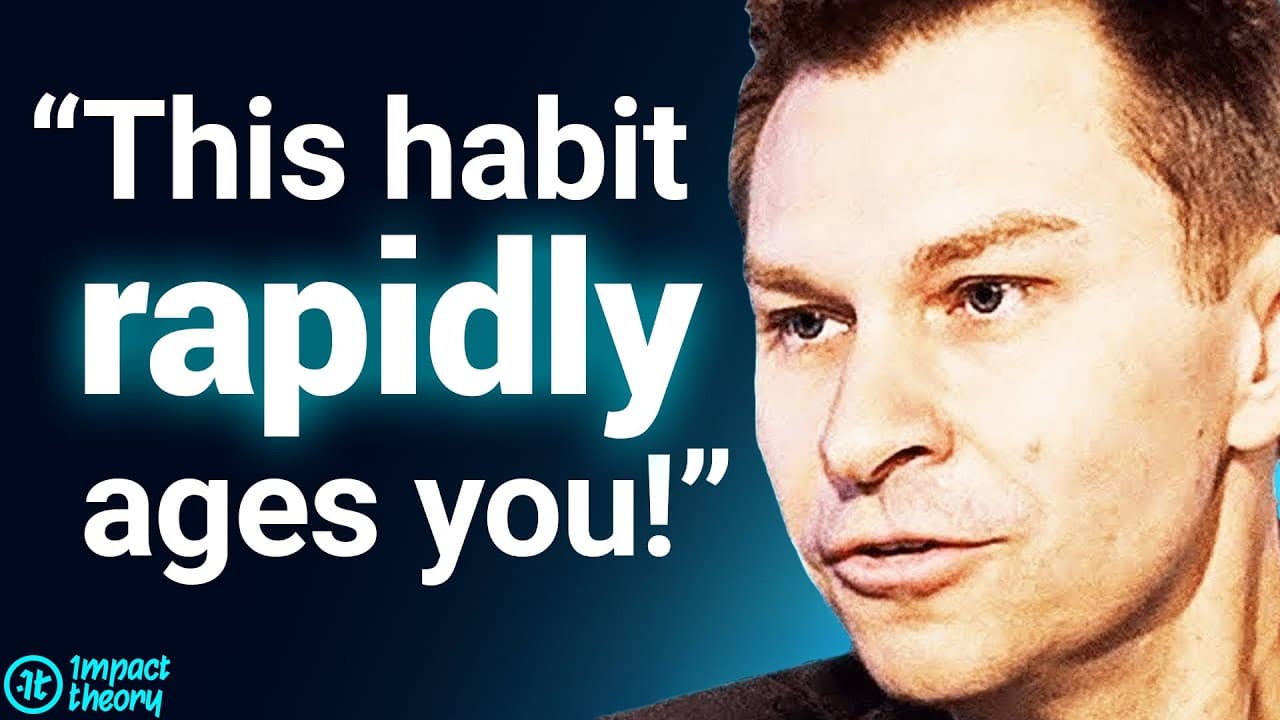
what gets really interesting and this is something most scientists don't even know about yet is level three the deep layer of aging there's actually a dna clock that tells our bodies how old we are we i could take your blood and read it and i could tell you roughly when you're going to die everyone welcome to health theory today's guest is david si... Read More
Key Insights
- 🧬 The deep layer of aging, known as level three, involves a DNA clock that tells our bodies how old we are. By reading the methylation of DNA, one can predict a person's age and potential lifespan.
- 📚 Aging has been studied for thousands of years and scientists have identified eight hallmarks of aging, including telomere attrition and mitochondrial dysfunction. However, it is important to understand the upstream cause of these hallmarks, which lies in the loss of essential information in our bodies as we age.
- 🔬 The epigenome, which controls which genes are turned on and off, is the analog level of information in our cells, while DNA is the digital level. The epigenome plays a crucial role in determining cell function and identity.
- ⚖️ Hormesis, the concept that a little bit of stress is beneficial, applies to aging. Stressing the body through exercise and fasting can activate the sirtuins, enzymes that promote longevity and repair damaged DNA.
- 💊 Metformin, a drug prescribed for diabetes, activates a pathway called AMPK that mimics the effects of caloric restriction and boosts the number of mitochondria in cells.
- 🌡️ Cold exposure activates brown fat, which has a high number of mitochondria and may have many health benefits. Alternating between hot and cold can also stimulate the body's healing response.
- 🍷 Resveratrol, found in red wine, binds to sirtuins and can potentially activate the "pac-man" enzymes that repair DNA and promote longevity. While there was controversy surrounding its efficacy, recent studies have confirmed its ability to interact with sirtuins.
- 💉 Resetting the biological clock involves manipulating the epigenome through genetic modifications or the use of certain drugs. This can potentially reverse the effects of aging and restore youthful function in cells and tissues.
- 🩺 Monitoring biomarkers through blood tests, genetic profiling, and other methods can provide valuable information about overall health and the effectiveness of lifestyle or therapeutic interventions.
- 🎙️ More videos with David Sinclair:
Install to Summarize YouTube Videos and Get Transcripts
Explore YouTube Video Summarizer or Get YouTube Transcript Extractor
Questions & Answers
Q: How does the epigenome control gene expression?
The epigenome controls gene expression by modifying the structure of DNA through the addition or removal of chemical groups, which determine whether a gene is turned on or off.
Q: What are the potential benefits of fasting and exercise on aging?
Fasting and exercise can activate certain enzymes, such as sirtuins, that help delay aging and improve cellular health. These lifestyle choices can also boost the body's repair systems and increase the efficiency of DNA packaging and repair.
Q: How does metformin work to slow down aging?
Metformin activates a pathway called AMPK, which mimics the effects of calorie restriction and improves the body's response to insulin. It can also increase the number of mitochondria in cells and induce certain protective mechanisms.
Q: Can the biological clock be reset to reverse aging?
Sinclair's research has shown that it is possible to partially reset the biological clock in mice using reprogramming factors. By activating these factors, cells can regain a more youthful gene expression pattern and potentially reverse age-related damage.
Q: What is the role of NAD in aging and how can it be boosted?
NAD is a crucial molecule for energy production and cellular health. Its levels decline with age, but supplements like nicotinamide riboside (NR) and nicotinamide mononucleotide (NMN) can increase NAD levels and potentially slow down aging.
Q: How does cold exposure and heat stress contribute to longevity?
Cold exposure and heat stress can induce hormetic responses in the body, activating mechanisms that protect against age-related diseases and improve metabolic health. These stresses can promote the production of brown fat, which can increase energy expenditure and improve metabolic function.
Q: Are there any potential risks or side effects associated with resetting the biological clock?
Resetting the biological clock is still in the experimental stage, and more research is needed to fully understand its potential risks and side effects. It is essential to work with medical professionals and follow proper protocols when attempting any interventions related to aging.
Summary & Key Takeaways
-
David Sinclair introduces the information theory of aging, which focuses on the loss of essential information in the body as a cause of aging.
-
He explains the role of the epigenome in controlling gene expression and how it differs from genetics.
-
Sinclair discusses the potential for resetting the biological clock through lifestyle changes, such as fasting and exercise, as well as the use of certain drugs like metformin and resveratrol.
Read in Other Languages (beta)
Share This Summary 📚
Summarize YouTube Videos and Get Video Transcripts with 1-Click
Try YouTube Summary with ChatGPT & Claude or YouTube Transcript Generator
Explore More Summaries from Tom Bilyeu 📚

Summarize YouTube Videos and Get Video Transcripts with 1-Click
Try YouTube Summary with ChatGPT & Claude or YouTube Transcript Generator