How Does Language Influence Our Thoughts and Perceptions?

TL;DR
Language shapes thought by influencing perception, cognitive processes, and how we conceptualize the world. For instance, different languages can alter color perception and even affect reasoning about time and events through grammatical structures like gender. This means that learning a new language can fundamentally change how we think and perceive reality.
Transcript
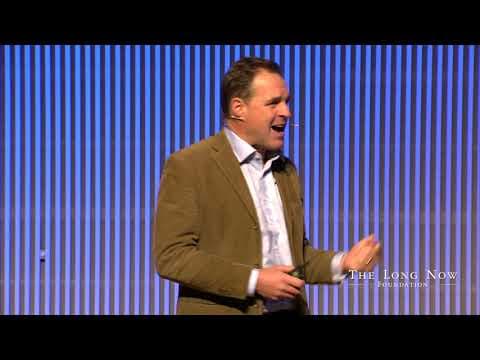
good evening I'm Alexander Rose I'm the executive director at the long now foundation thank you all for making it out tonight and squeezing in looks like I think we let everybody in from the outside line thank you as many of you know that before we do these talks we have a tradition called the long short a short film that exemplifies long-term thin... Read More
Key Insights
- 🤔 Language differences go beyond vocabulary and grammar, influencing how we perceive and think about the world.
- 💠 Language can shape perception, affecting even early perceptual processes such as color perception.
- 🤔 Grammatical differences in language, such as gender systems, can influence how we conceptualize and think about various aspects of the world.
- 🌍 Language can have real-world consequences, affecting how we assign blame, perceive events, and make legal judgments.
- 🤔 Learning a new language can change the way we think and perceive the world, leading to different cognitive processes.
Install to Summarize YouTube Videos and Get Transcripts
Explore YouTube Video Summarizer or Get YouTube Transcript Extractor
Questions & Answers
Q: How does language affect our perception of color?
Languages categorize colors differently, with some languages having fewer color distinctions and others having more. This can influence the way speakers of different languages perceive and differentiate between colors.
Q: Can learning a new language change the way we think?
Yes, learning a new language can change the way we think by exposing us to different linguistic structures and cultural concepts. Bilingual individuals may find themselves thinking differently depending on the language they are using.
Q: How does language influence our understanding of time?
Languages vary in how they conceptualize and talk about time. Different languages may use spatial metaphors or organize time in different directions. These linguistic differences can shape the way speakers perceive and think about time.
Q: Do languages have different ways of assigning blame or responsibility?
Yes, languages can vary in how they describe actions in terms of agency or responsibility. The way an event is linguistically described can influence how individuals assign blame or responsibility for that event.
Q: Can language affect how we remember events?
Yes, language can influence the way we remember events. People tend to remember more details about events that were described using agentive language, focusing on the actions of specific individuals, compared to events described using non-agentive language.
Summary & Key Takeaways
-
Language differences: Languages vary in their grammatical structures and require different things of their speakers, such as tense marking, gender agreement, and verb forms.
-
Deep early effects: Languages can have deep early effects on cognition, influencing even low-level perceptual processes, such as color perception.
-
Broad or pervasive effects: Grammatical differences in language, such as gender systems, can shape the way we conceptualize and think about various aspects of the world.
-
Real-world consequences: Language can have real-world consequences, affecting the way we assign blame, perceive events, and even make legal judgments.
Read in Other Languages (beta)
Share This Summary 📚
Summarize YouTube Videos and Get Video Transcripts with 1-Click
Try YouTube Summary with ChatGPT & Claude or YouTube Transcript Generator
Explore More Summaries from Long Now Seminars 📚





Summarize YouTube Videos and Get Video Transcripts with 1-Click
Try YouTube Summary with ChatGPT & Claude or YouTube Transcript Generator