Why Do Guatemala Garment Workers Face Abuse?
TL;DR
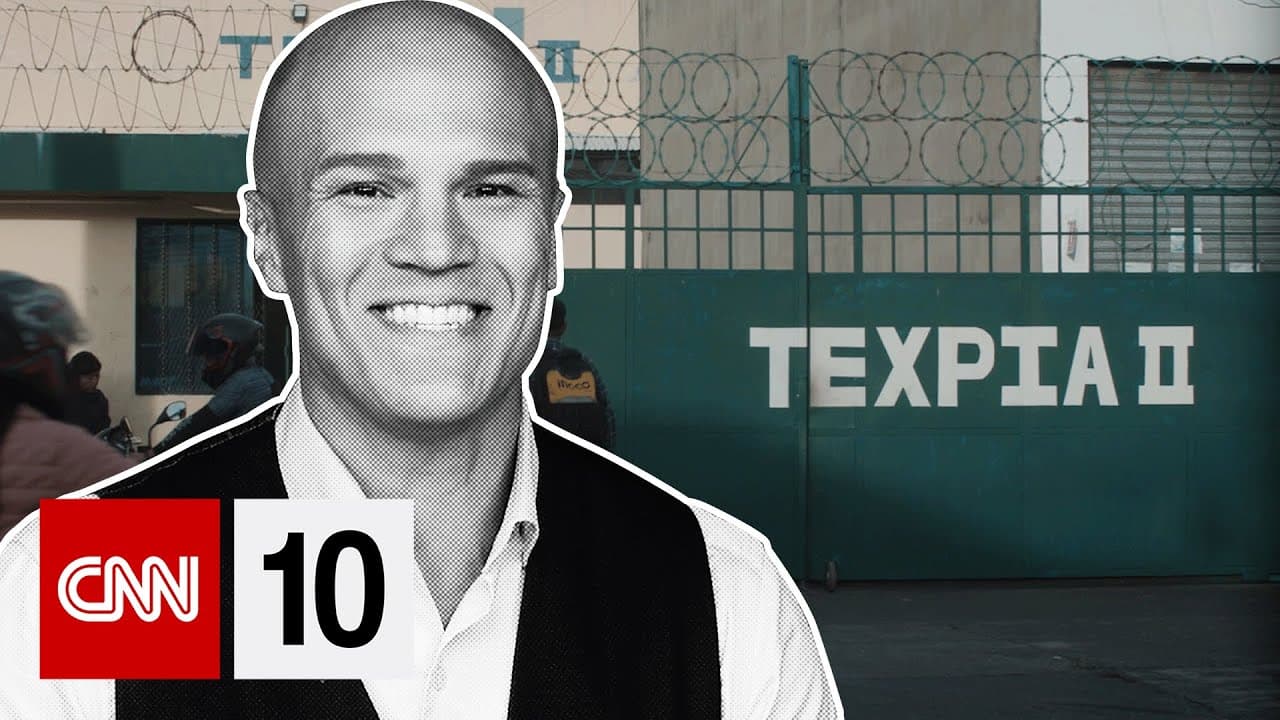
Guatemala’s garment workers report low pay, demanding production quotas, lost benefits, union resistance, and threats of violence while making clothing for major US retailers. CNN’s investigation found that Korean-owned manufacturers connect Guatemalan labor to American consumers, but complex subcontracting arrangements can leave brands without direct responsibility when factories close or workers allege mistreatment.
Transcript
What's up, sunshine? Welcome to the show. I'm Ky Wire. This is CNN 10, where I simply tell you the what, letting you decide what to think. We have a lot of fascinating, even scintillating stories to tell you about. So, let's get right to it. We begin today in Guatemala where a monthsl long CNN investigation is highlighting a concerning trend in the... Read More
Key Insights
- Guatemala’s garment industry has boomed partly because the country is close to the United States, encouraging hundreds of Korean fast-fashion companies to expand there and supply major American brands through factories locally called maquilas.
- Most maquila workers are women, according to advocacy groups, and they reportedly earn less than $30 per day while being required to meet quotas that workers describe as impossible under grueling conditions.
- The garment supply chain connects Korean manufacturers, Guatemalan workers, American retailers, and US consumers, creating a division of responsibility that can leave third-party brands without an obligation to cover unpaid wages or benefits.
- Production quotas can reach thousands of pieces per day, with workers at one factory describing a required pace of almost two T-shirts every minute for goods intended for export to the United States.
- Union participation can place workers at risk, as members of one union said they were laid off after labor inspectors visited their factory, creating a dispute that remained unresolved when CNN reported the story.
- Union tolerance is rare in Guatemala’s garment sector, with only 76 of more than 800 maquilas reportedly accepting a union even though the industry employs tens of thousands of workers and remains economically important.
- Emma Mazzenga is a 92-year-old Italian elite sprinter whose cardiorespiratory fitness was found to resemble that of someone in their 50s, while her muscle mitochondria function was described as being as healthy as a 20-year-old’s.
- Museums and attractions are using unusual after-hours events to reach new audiences and foster community, including solo dining in the British Museum’s Japan wing, silent discos, dinosaur sleepovers, and glamping with lions at the London Zoo.
Install to Summarize YouTube Videos and Get Transcripts
Explore YouTube Video Summarizer or Get YouTube Transcript Extractor
Questions & Answers
Q: Why has Guatemala’s garment industry expanded?
Guatemala’s garment industry has expanded because its proximity to the United States makes it useful for supplying American retailers. The investigation says hundreds of Korean fast-fashion companies expanded operations there, using factories known locally as maquilas. In this supply chain, Korean manufacturers subcontract Guatemalan workers to produce affordable clothing for consumers in the United States.
Q: What conditions do Guatemala garment workers report?
Garment workers interviewed by CNN reported demanding quotas, grueling working conditions, low pay, resistance to labor unions, and threats of violence. Advocacy groups said most maquila workers are women who earn less than $30 per day. At one factory, workers described quotas involving thousands of pieces daily, at a pace approaching two T-shirts every minute.
Q: What happens when a garment factory closes without paying workers?
One worker said her factory suddenly closed without paying her wages or pension benefits. Because Target was a third-party client rather than her direct employer, it was not bound to cover those losses. Target ended its relationship with the factory after concerns about working conditions surfaced, illustrating how subcontracting can separate retailers from direct responsibility for worker compensation.
Q: Why is joining a union risky for maquila workers?
Workers said many maquila factories do not tolerate unions. One group reported its concerns to local authorities, but all union members were laid off after labor inspectors appeared at the factory. Their dispute remained unresolved at the time of the report. Only 76 of more than 800 maquilas were said to tolerate a union.
Q: How is Guatemala’s government responding to garment labor concerns?
President Bernardo Arévalo said his government was committed to labor rights and workers’ well-being. He stated that the minimum salary had increased by 10 percent overall and by more than 6 percent for maquila workers. He also said the government would continue observing the situation, while the report noted that the effectiveness of broader reforms remained uncertain.
Q: How can Emma Mazzenga sprint competitively at age 92?
Scientists studying Emma Mazzenga found that her cardiorespiratory fitness resembles that of someone in their 50s and that her muscle mitochondria function is as healthy as a 20-year-old’s. She returned to running at age 53 after a 25-year break and later set an indoor 200-meter world record for her age group in 2024 with a time of 54.47.
Q: How are museums attracting visitors after normal hours?
Museums are offering unusual after-hours experiences intended to attract new audiences and create community. The British Museum partnered with a noodle chain to offer solo dining beside exhibits in its Japan wing. Other examples include silent discos and dinosaur sleepovers at the Natural History Museum, plus glamping with lions at the London Zoo.
Q: How was the giant bread sculpture’s face created?
The California bakery used dead dough to create the face of its 7-foot, 300-pound sculpture for an annual scarecrow festival outside San Francisco. Dead dough contains no leavening agent, so it does not puff up during baking. It becomes hard enough to sand and sculpt, allowing the bakery to produce the desired facial appearance.
Summary & Key Takeaways
-
Guatemala’s garment industry has expanded as Korean fast-fashion companies use the country’s proximity to the United States to supply major American brands. Workers, most of whom advocacy groups say are women, report earning less than $30 daily while facing demanding quotas, grueling conditions, union resistance, and threats of violence.
-
One worker said her Korean-owned factory supplied major US retailers, including Target, before suddenly closing and denying her wages and pension benefits. Target was not legally bound to pay as a third-party client and ended its relationship with the factory after concerns about working conditions emerged.
-
The episode also profiles 92-year-old sprinter Emma Mazzenga, unusual after-hours attractions at British museums and the London Zoo, and a 7-foot, 300-pound bread sculpture displayed outside a California bakery. Together, these segments cover labor accountability, exceptional aging, cultural outreach, and an inventive festival creation.
Read in Other Languages (beta)
Share This Summary 📚
Summarize YouTube Videos and Get Video Transcripts with 1-Click
Try YouTube Summary with ChatGPT & Claude or YouTube Transcript Generator
Explore More Summaries from CNN 10 📚





Summarize YouTube Videos and Get Video Transcripts with 1-Click
Try YouTube Summary with ChatGPT & Claude or YouTube Transcript Generator