How Do Greenland Tariff Threats Move Markets?
TL;DR
President Trump’s proposed tariffs on eight European nations over Greenland increased geopolitical tension, weakened risk appetite, and strengthened demand for havens, while gold reached a fresh record. Europe faces possible trade conflict, but Asian markets may receive some insulation as investors seek alternatives and focus on regional central-bank decisions, Chinese data, and Japan’s yen and inflation risks.
Transcript
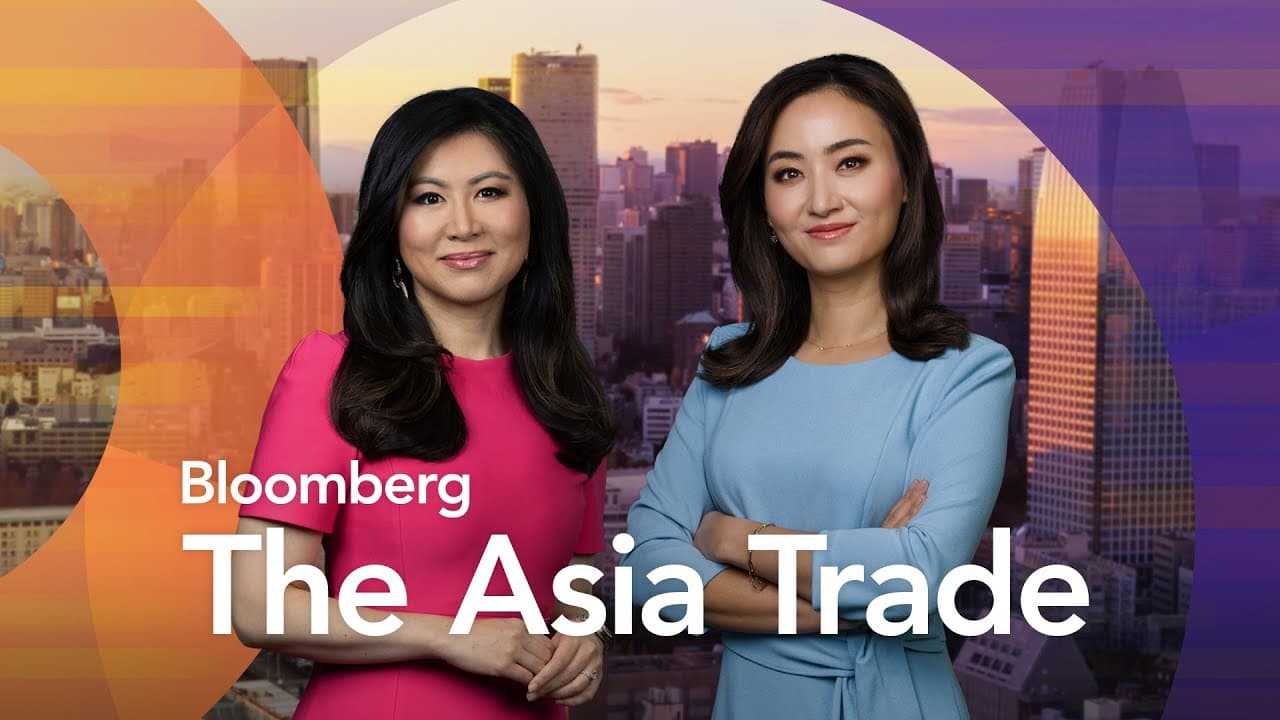
SHERY: THIS IS "THE ASIA TRADE." AVRIL: YOUR TOP STORIES THIS HOUR, ASIAN STOCKS SET FOR A NEGATIVE START TO THE WEEK AS GLOBAL, BUSINESS AND POLITICAL LEADERS HAD FOR DAVOS FACING PRESIDENT TRUMP'S LATEST TERROR THREATS OVER GREENLAND. EU HOLD AN EMERGENCY MEETING THIS WEEK TO DISCUSS TRUMP'S PLANS FOR HIGH LEVEES IF LEADERS DON'T GIVE HIM GREENLA... Read More
Key Insights
- Trump’s tariff proposal is a direct pressure tactic tied to Greenland, with a 10% levy scheduled for February 1 and an increase to 25% in June for eight European nations that oppose his ambitions regarding the territory.
- Europe’s response is centered on political unity and emergency negotiations, with leaders rejecting the idea that the United States can simply take Greenland and the European Parliament potentially withholding ratification of the existing trade arrangement.
- Greenland is strategically important because Arctic ice loss is creating economic and military opportunities for Russia, China, Canada, and other countries, while the territory also contains rare earth metals and other resources sought by the Trump administration.
- NATO is presented as the existing mechanism for defending Greenland against external threats, and the United States already maintains a large military presence there that Denmark has indicated could be expanded if additional security capacity were requested.
- The initial market reaction is risk-averse but not extreme, with European currencies weakening and the Japanese yen and Swiss franc attracting haven demand, while the difference between the strongest and weakest currency moves was described as roughly 0.5%.
- Asian markets may be relatively insulated because the region is outside the immediate United States-Europe dispute, China-United States relations were described as calm, and investors seeking alternatives to American or European assets could redirect capital toward Asia.
- China’s market sentiment is stronger than its economic balance suggests, with enthusiasm for Chinese equities and artificial intelligence contrasting with cutthroat competition, weak retail growth, and limited consumer confidence across the broader economy.
- Japan’s market outlook depends on monetary policy, inflation, and the yen, with no Bank of Japan policy change expected during the week despite authorities warning about recent currency weakness and investors reconsidering the durability of the Takaichi trade.
Install to Summarize YouTube Videos and Get Transcripts
Explore YouTube Video Summarizer or Get YouTube Transcript Extractor
Questions & Answers
Q: Why did Trump threaten European nations with Greenland tariffs?
President Trump used tariffs to pressure eight European nations connected to opposition over his ambition to bring Greenland under United States control. He said a 10% tariff would begin on February 1 and rise to 25% in June. Treasury Secretary Scott Bessent argued that Europe was too weak to secure Greenland, while European officials maintained that NATO already provides a framework for defending the territory.
Q: How did markets react to the Greenland tariff threat?
The immediate reaction reflected weaker risk appetite. Stock futures pointed toward losses, European currencies declined, and investors showed demand for Treasuries, the Japanese yen, and the Swiss franc. Gold reached a fresh record, according to the program title. The currency moves were not described as extreme, with an approximately 0.5% difference between the strongest and weakest performers, but they indicated rising investor unease.
Q: Could the Greenland dispute cause a trade war between the United States and Europe?
A trade war was presented as a clear possibility because the European Parliament could decide not to ratify the trade arrangement that had effectively been in place since June. European leaders also planned emergency meetings to coordinate their response. If the proposed tariffs take effect and Europe responds through trade measures or rejection of the arrangement, economic tensions between the allies could broaden substantially.
Q: Why is Greenland strategically important to major powers?
Greenland sits in the Arctic, where melting ice is creating new economic and military opportunities. Russia, China, Canada, and other countries were described as having interests in the region. The territory also has rare earth metals and other resources that the Trump administration may want to develop. Its location and resources therefore connect military security, commercial access, and strategic competition.
Q: Does the United States need to own Greenland to defend it?
The discussion argues that ownership is not necessary because NATO was created to unite Europe and the United States against external threats. The United States already has a large military presence in Greenland, and Denmark has indicated that Washington could ask to double, triple, or quadruple that presence if required. Existing alliances and expanded deployment could therefore address security concerns without a transfer of sovereignty.
Q: Could Asian markets benefit from conflict between the United States and Europe?
Asian markets could receive some relative benefit because the region is less directly involved in the confrontation. With China-United States relations described as calmer, investors seeking alternatives to American and European assets might direct more capital toward Asia. Recent performance in Asian financial markets could also provide insulation, although broader geopolitical tension and weak global risk appetite may still place pressure on regional stocks.
Q: What risks could challenge Japan’s recent market rally?
Japan’s rally faces risks from inflation, the yen’s weakness, geopolitical tension, and the Bank of Japan’s policy outlook. The Topix had posted its strongest week since July as the Takaichi trade returned, but Nikkei futures were under pressure at the beginning of the week. No Bank of Japan policy change was expected, while Japanese authorities continued warning about recent weakness in the currency.
Q: Why were investors not highly concerned about weak Chinese economic data?
Weak Chinese data was largely expected and therefore considered already reflected in market prices. Sentiment toward Chinese equities remained positive among domestic and international investors, companies were bringing more money back into China, and authorities were trying to cool rallies in parts of the market. However, the economy remained imbalanced, with weak retail growth, poor consumer confidence, and intense competition offsetting enthusiasm around artificial intelligence.
Summary & Key Takeaways
-
President Trump said he would impose a 10% tariff on February 1, increasing to 25% in June, on eight European nations connected to opposition over his Greenland ambitions. European leaders planned emergency discussions, while the European Parliament could refuse to ratify the existing trade arrangement and potentially trigger a wider trade conflict.
-
The initial market response showed weaker stock futures and European currencies, alongside demand for Treasuries, the Japanese yen, and the Swiss franc. Gold reached a fresh record, and investors displayed greater caution after a period characterized by low volatility, rising markets, and easy credit conditions that left markets vulnerable to disruption.
-
Asia could be partly insulated because it is less directly involved in the dispute, while relations between China and the United States were described as calmer. Investors were also monitoring Chinese economic data, the Bank of Japan, policy decisions in Indonesia and Malaysia, the yen’s weakness, Japan’s inflation risks, and uncertainty surrounding the next Federal Reserve chair.
Read in Other Languages (beta)
Share This Summary 📚
Summarize YouTube Videos and Get Video Transcripts with 1-Click
Try YouTube Summary with ChatGPT & Claude or YouTube Transcript Generator
Explore More Summaries from Bloomberg Television 📚

Summarize YouTube Videos and Get Video Transcripts with 1-Click
Try YouTube Summary with ChatGPT & Claude or YouTube Transcript Generator