How Is Social Media Ruining Your Life and Solutions?
TL;DR
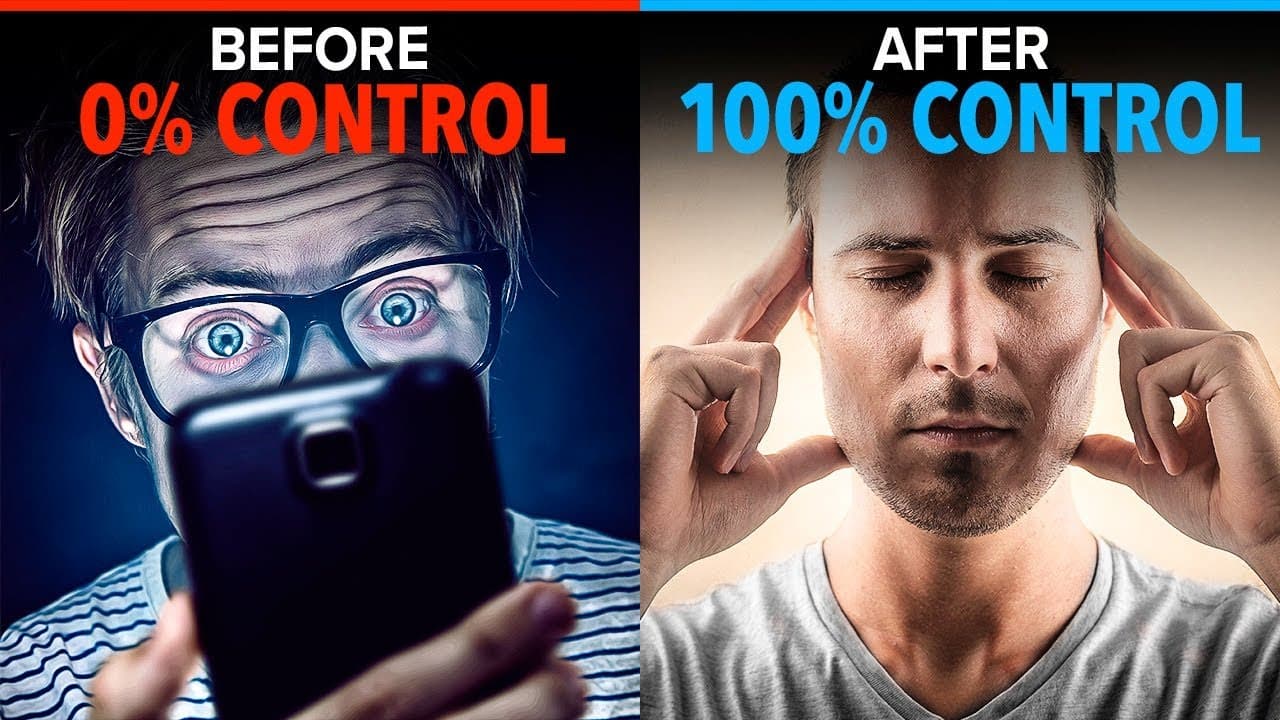
Social media negatively impacts your life by increasing loneliness, anxiety, and depression, and altering brain structure, which affects focus and productivity. It creates unhealthy comparisons and unrealistic expectations, leading to dissatisfaction with your own life. To combat these issues, practice digital minimalism by disabling notifications, following positive influences, and setting boundaries around usage.
Transcript
if you want to be a master don't be limited to studying just what your curriculum tells you to go beyond this video is sponsored by skill share an online learning platform where you can learn anything you want from the world's best teachers at the click of a button so click the link down below in the description to get your hands on a special offer... Read More
Key Insights
- 🧑⚕️ Social media addiction has significant negative effects on mental health, including loneliness, anxiety, and depression.
- 💦 The addictive nature of social media is changing the structure of our brains, making it harder to focus and engage in deep work.
- 🥺 Hesitation caused by social media addiction hampers productivity and leads to procrastination.
- 🤳 Comparing ourselves to others on social media can create unrealistic expectations and negatively impact self-esteem.
- 🥺 Practicing digital minimalism and setting boundaries with social media usage can lead to a healthier relationship with technology.
- 💀 It is essential to be aware of the dangers of excessive social media usage and take steps to manage and minimize its impact on our lives.
- 🆘 Skillshare is an online learning platform that offers various courses to help individuals improve their skills and productivity.
Install to Summarize YouTube Videos and Get Transcripts
Explore YouTube Video Summarizer or Get YouTube Transcript Extractor
Questions & Answers
Q: What are the negative effects of social media addiction on mental health?
Social media addiction is linked to loneliness, anxiety, and depression. Studies show that excessive social media usage can contribute to feelings of social isolation and negatively impact mental well-being.
Q: How does social media addiction change the structure of the brain?
Social media addiction releases bursts of dopamine in response to notifications, similar to the way gambling machines trigger reward pathways. Over time, this can diminish the brain's ability to engage in deep work and focus for extended periods.
Q: How does social media addiction contribute to hesitation and procrastination?
Social media provides a quick distraction and escape from tasks that require focus and effort. When we hesitate and give in to the temptation of social media, we reinforce a pattern of procrastination that hampers productivity.
Q: What are the consequences of comparing ourselves to others on social media?
Social media often presents an idealized version of people's lives, leading to unrealistic expectations and feelings of inadequacy. Constant exposure to these curated feeds can negatively impact self-esteem and overall well-being.
Summary & Key Takeaways
-
Social media addiction is associated with loneliness, anxiety, and depression, disrupting our fundamental need for connection.
-
The addictive nature of social media is changing the structure of our brains, decreasing our ability to focus on deep work.
-
Hesitation caused by social media addiction leads to procrastination and a decrease in productivity.
-
Unhealthy comparisons and unrealistic expectations are fueled by social media, negatively affecting our self-esteem.
-
Practicing digital minimalism and setting boundaries with social media usage can lead to a healthier relationship with technology.
Read in Other Languages (beta)
Share This Summary 📚
Summarize YouTube Videos and Get Video Transcripts with 1-Click
Try YouTube Summary with ChatGPT & Claude or YouTube Transcript Generator
Explore More Summaries from Motivation2Study 📚
Summarize YouTube Videos and Get Video Transcripts with 1-Click
Try YouTube Summary with ChatGPT & Claude or YouTube Transcript Generator