Why Did Zohran Mamdani Win New York Mayor?
TL;DR
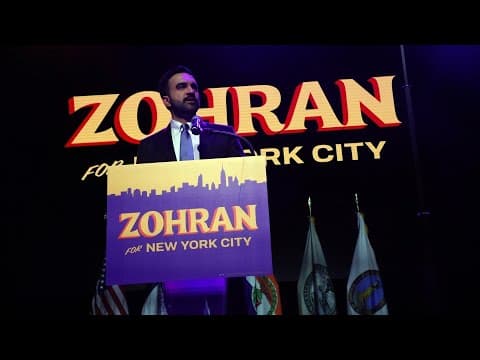
Zohran Mamdani won New York’s mayoral election by making affordability central to his campaign and attracting younger voters seeking change. His victory, alongside other Democratic gains, offers the party a possible cost-of-living message for future elections, but delivering rent caps, free buses, lower food prices, and higher taxes on wealthy residents will require coalition building.
Transcript
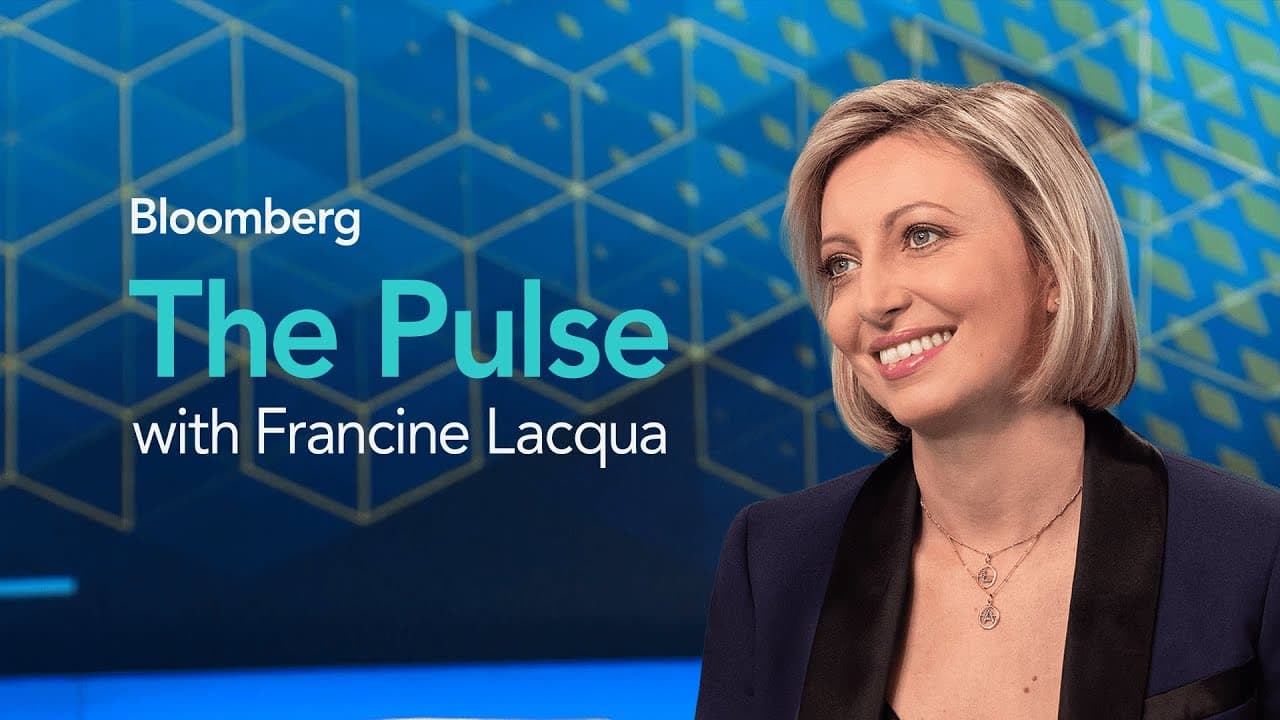
♪ >> NEWSMAKERS AND MARKET MOVERS, THIS IS "THE PULSE WITH FRANCINE LACQUA." TOM: GOOD MORNING AND WELCOME TO "THE PULSE." IN THE U.S., THERE HAD BEEN BIG GAINS FOR THE DEMOCRATS AFTER 11, 1 YORKS MAYORAL ELECTION, BEATING FORMER GOVERNOR ANDREW CUOMO AND REPUBLICAN CURTIS SLIWA. DURING HIS VICTORY SPEECH, HE PRESIDENT DONALD TRUMP SAYING THE CITY ... Read More
Key Insights
- Mamdani’s victory was driven by an affordability-focused platform that appealed to younger New Yorkers seeking change in an expensive city. His campaign recognized that many residents are not highly paid financial professionals and experience housing, food, and transportation costs as immediate political concerns.
- Mamdani’s policy agenda includes lower food prices, city-controlled grocery options, fare-free bus travel, rent caps, and increased taxes on wealthy residents. The program is expensive, and its implementation depends on converting campaign promises into workable policies through cooperation with influential political and business constituencies.
- Coalition building is essential to Mamdani’s ability to govern New York effectively. He must build bridges with Wall Street and other stakeholders, while investor Bill Ackman’s public offer to help suggests that a working relationship between the incoming administration and business leaders may be possible.
- The Democratic election gains provide a possible roadmap centered on the cost-of-living crisis. Victories in several states and down-ballot races may energize the party before the midterms, although Democrats still need to manage internal divisions and translate local results into a broader national strategy.
- AMD’s reported results and forward revenue guidance exceeded expectations, but investors remained unimpressed because substantial future growth was already reflected in valuations. The company’s central opportunity is gaining share from Nvidia in AI accelerators, with stronger momentum expected toward the back end of the following year.
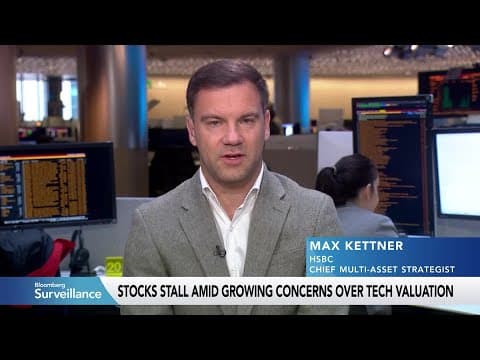
- Technology stocks face greater scrutiny because lofty valuations depend on medium-term growth opportunities becoming visible in reported numbers. Until stronger evidence appears, semiconductor shares may remain more exposed to macroeconomic forces, including interest rates, even when current earnings and revenue guidance exceed market expectations.
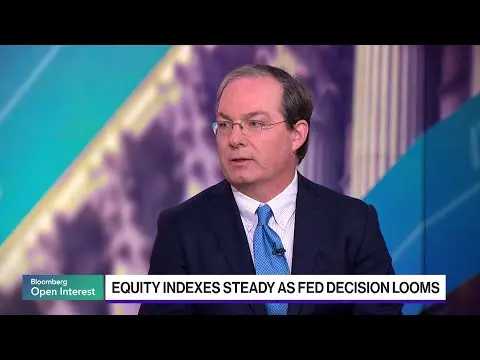
- Equity markets retain support from three identified drivers: potential Federal Reserve rate cuts, strong third-quarter earnings, and improving economic growth. Higher earnings revisions, stronger European purchasing managers’ data, and combined fiscal and monetary stimulus were presented as possible backstops after the market’s recent pullback.
- Novo Nordisk faces near-term headwinds after reducing its outlook for the fourth time and reporting disappointing obesity-drug sales. Chief Executive Mike Doustdar nevertheless emphasized that diabetes and obesity remain underserved markets, and that the company is preparing for stronger competition through cost reductions and acquisitions.
Install to Summarize YouTube Videos and Get Transcripts
Explore YouTube Video Summarizer or Get YouTube Transcript Extractor
Questions & Answers
Q: Why did Zohran Mamdani win the New York mayoral election?
Zohran Mamdani won by placing New York’s affordability crisis at the center of his campaign and attracting a younger electorate seeking change. His message addressed the reality that the city is expensive and that many residents are not bankers. He defeated former Governor Andrew Cuomo and Republican Curtis Sliwa to become New York’s 111th mayor.
Q: What policies did Zohran Mamdani promise for New York?
Mamdani proposed lower food prices, city-controlled grocery options, fare-free use of the bus system, rent caps, and higher taxes on wealthy residents. The program was described as an expensive menu of commitments. Its success will depend on detailed policy design, coalition building, and cooperation with the political, financial, and business groups needed to implement those promises.
Q: What challenges will Mamdani face as New York mayor?
Mamdani’s main challenge is turning an ambitious and costly platform into deliverable policy. He will need to build a governing coalition, establish relationships with Wall Street, and find common ground among groups with different interests. Bill Ackman’s public offer of help indicated that some business leaders may be open to developing a practical working relationship with him.
Q: What do the Democratic election victories mean for the party?
The gains in New York, New Jersey, Virginia, California, and down-ballot contests were presented as a re-energizing moment for Democrats. They suggest that a message focused on the cost-of-living crisis could resonate before the midterms. However, the results may also reveal internal party divisions that Democrats must resolve before applying the approach nationally.
Q: Why did AMD’s outlook disappoint investors despite strong results?
AMD reported results above expectations and offered forward revenue and margin guidance that was also somewhat better than expected. Investors were still disappointed because valuations were already lofty and significant medium-term revenue growth had been incorporated into forecasts. The market wants more tangible evidence that AMD can gain meaningful AI accelerator share from Nvidia.
Q: Was the technology stock decline viewed as a larger selloff?
The decline was described as a welcome pullback after markets had moved upward in a relatively straight line amid elevated valuations, crowded positioning, and some exuberance. One strategist characterized it as no more than a 3% correction. Continued support could come from Federal Reserve policy, strong earnings, improving growth, and fiscal and monetary stimulus.
Q: Why did analysts expect the Federal Reserve to cut rates in December?
The case for a December rate cut rested on signs that the labor market was softening, inflation was coming down, and monetary policy remained restrictive. The record government shutdown limited the available economic data, making the decision less certain. The larger market question was how many additional cuts might follow during the next year.
Q: What problems is Novo Nordisk facing in the obesity market?
Novo Nordisk cut its outlook for the fourth time after disappointing obesity-drug sales, highlighting competitive and operational headwinds. Chief Executive Mike Doustdar said quarterly growth had weakened and projected negative territory for the fourth quarter. He nevertheless stressed that hundreds of millions of people with diabetes and obesity remain untreated or inadequately served, supporting long-term demand.
Summary & Key Takeaways
-
Zohran Mamdani became New York’s 111th mayor after defeating former Governor Andrew Cuomo and Republican Curtis Sliwa. His campaign appealed to younger voters and emphasized the city’s affordability crisis. He presented the result as a model for confronting Donald Trump and preventing similar political movements from gaining power.
-
The Democratic victories in New York, New Jersey, Virginia, California, and down-ballot contests were described as a re-energizing moment for the party. Cost-of-living pressures could become a central message before the midterms, although Mamdani’s democratic socialist victory may also expose strategic and ideological divisions within the broader Democratic coalition.
-
Markets were also focused on elevated technology valuations, AMD’s outlook, Federal Reserve policy, strong third-quarter earnings, and Novo Nordisk’s challenges. Analysts viewed the market decline as a potentially healthy pullback, while Novo’s chief executive emphasized long-term unmet demand in diabetes and obesity despite repeated outlook reductions and competitive pressure.
Read in Other Languages (beta)
Share This Summary 📚
Summarize YouTube Videos and Get Video Transcripts with 1-Click
Try YouTube Summary with ChatGPT & Claude or YouTube Transcript Generator
Explore More Summaries from Bloomberg Television 📚
Summarize YouTube Videos and Get Video Transcripts with 1-Click
Try YouTube Summary with ChatGPT & Claude or YouTube Transcript Generator