How to Overcome Mental Hindrances for Clarity
TL;DR
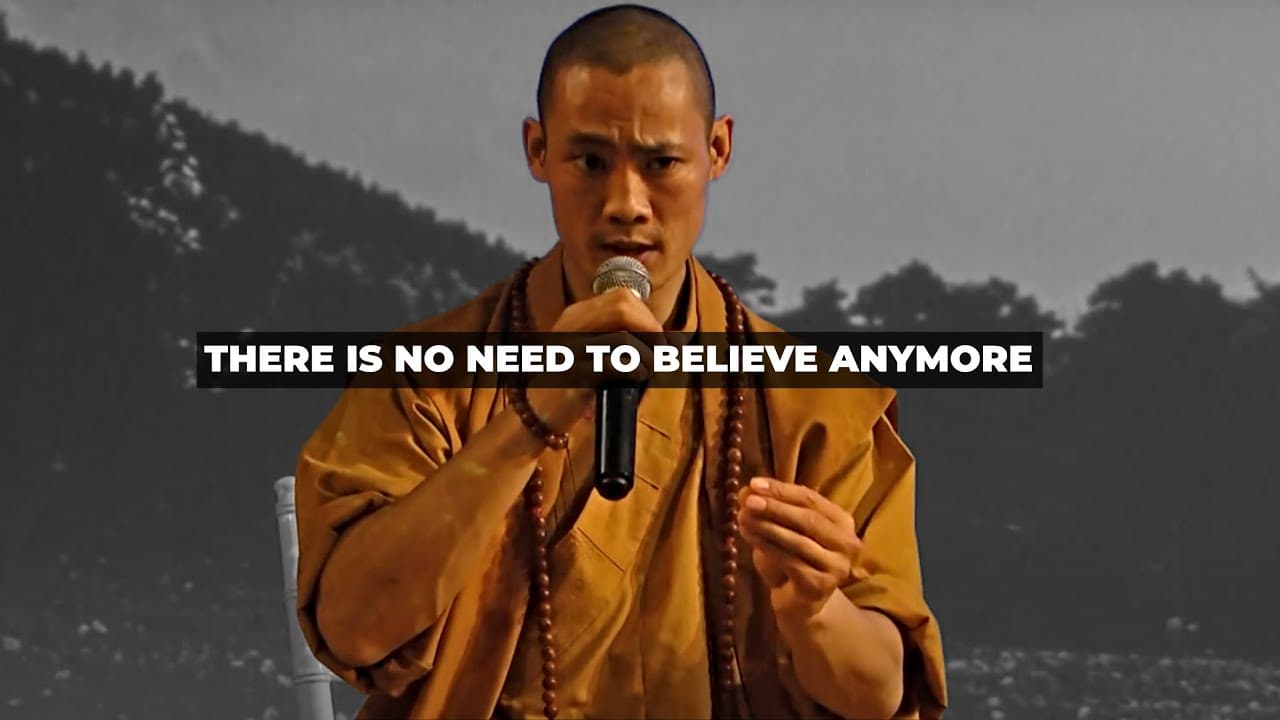
To achieve personal clarity, you must overcome five mental hindrances: sensual desire, ill will, sloth and torpor, restlessness, and skeptical doubt. Recognizing your mental state, accepting situations as they are, and practicing non-identification with thoughts can help you progress on your journey towards clarity and better decision-making.
Transcript
there is information possible to be shared with words but it is impossible to share the experience of clarity when you are standing on that peak by yourself to invest the right effort in climbing that peak is very much what all the buddhist practices the shaolin training or any spiritual practice is about clarity means you see more clear when you s... Read More
Key Insights
- 🤯 Clarity is a state of mind essential for making informed decisions and achieving personal goals.
- 😜 The five hindrances—sensual desire, ill will, sloth and torpor, restlessness, and skeptical doubt—significantly obstruct mental clarity and progression.
- 🥺 Addressing sensual desire involves recognizing when positive distractions lead to missed goals and focusing on maintaining the intended direction.
- ❓ Ill will creates aversions that must be managed to foster a more positive outlook and embrace challenging circumstances.
- ❓ Sloth and torpor necessitate proactive solutions to overcome lethargy, emphasizing the importance of motivation and energy in achieving clarity.
- 👻 Cultivating mindfulness is crucial for managing restlessness, allowing individuals to remain present and focused despite external distractions.
- 🥅 Overcoming skeptical doubt requires a commitment to align one’s actions with their goals, fostering confidence to take decisive steps forward.
Install to Summarize YouTube Videos and Get Transcripts
Explore YouTube Video Summarizer or Get YouTube Transcript Extractor
Questions & Answers
Q: What are the five hindrances mentioned in the content?
The five hindrances are sensual desire, ill will, sloth and torpor, restlessness, and skeptical doubt. Each hindrance represents different mental states that impede our ability to see clearly and make effective decisions. By identifying and addressing these hindrances, individuals can progress toward personal goals and clarity.
Q: How does sensual desire disrupt the journey toward clarity?
Sensual desire occurs when one becomes overly fixated on pleasurable experiences, such as beauty or food, during their journey. This fixation can lead to distractions, causing individuals to stray from their intended path. When this desire evolves into obsession, it further clouds one’s judgment, making it difficult to see the clarity necessary for progress.
Q: What role does ill will play in hindering clarity?
Ill will manifests as negative emotions towards situations or people, creating an aversion that distracts from the journey. It can lead to focusing on obstacles, such as unfavorable weather or undesirable conditions, instead of accepting and moving through them. Letting go of ill will is essential to maintaining a positive mindset on the path to clarity and growth.
Q: In what way does sloth and torpor affect progress?
Sloth and torpor refer to physical and mental lethargy that can ensnare individuals in a state of inactivity. This can feel like imprisonment, where motivation dwindles, and depressive feelings arise. To overcome this hindrance, one must actively seek ways to energize their mind and body, allowing for greater mobility toward their goals.
Q: Why is the concept of 'restlessness' significant for mental clarity?
Restlessness refers to a mind that cannot settle, often oscillating between anxiety about the future and regrets from the past. Such an unstable state makes it challenging to stay grounded in the present, making it nearly impossible to evaluate situations accurately. Practicing mindfulness techniques can help create a more settled mind, conducive to achieving clarity.
Q: What is skeptical doubt, and how does it affect goal alignment?
Skeptical doubt emerges from indecisiveness and fear of making the wrong choices. When plagued with doubts, individuals may hesitate to act or stray from their goals, becoming disconnected from their aspirations. To counter this, one must align their thoughts with their intentions, fostering confidence and a sense of direction.
Q: What methods can be adopted to overcome these hindrances?
To overcome mental hindrances, individuals should first recognize their current state of mind. Following this, acceptance of circumstances, reflection on emotional responses, and a practice of non-identification with thoughts can help clear mental obstacles. Engaging in consistent self-reflection and mindfulness practices will cultivate greater clarity and focus.
Q: How does non-identification with the mind and emotions contribute to clarity?
Non-identification teaches individuals to observe their thoughts and feelings without becoming entangled in them. By recognizing that they are separate from their emotions and mental states, people can cultivate a clearer perspective on their experiences. This detachment allows for improved decision-making, as it minimizes the influence of emotional disturbances on clarity.
Summary & Key Takeaways
-
The content discusses the concept of clarity in life, emphasizing the importance of overcoming mental and emotional obstacles to make better decisions and achieve personal goals.
-
It introduces the five hindrances according to Buddhist teachings: sensual desire, ill will, sloth and torpor, restlessness, and skeptical doubt, which hinder mental clarity and decision-making.
-
Techniques for overcoming these hindrances include recognizing one's mental state, accepting circumstances, and practicing non-identification with thoughts and emotions to move forward on the path to clarity.
Read in Other Languages (beta)
Share This Summary 📚
Summarize YouTube Videos and Get Video Transcripts with 1-Click
Try YouTube Summary with ChatGPT & Claude or YouTube Transcript Generator
Explore More Summaries from Video Advice 📚


Summarize YouTube Videos and Get Video Transcripts with 1-Click
Try YouTube Summary with ChatGPT & Claude or YouTube Transcript Generator