How Does Trump's Tariff Increase Impact the Economy?
TL;DR
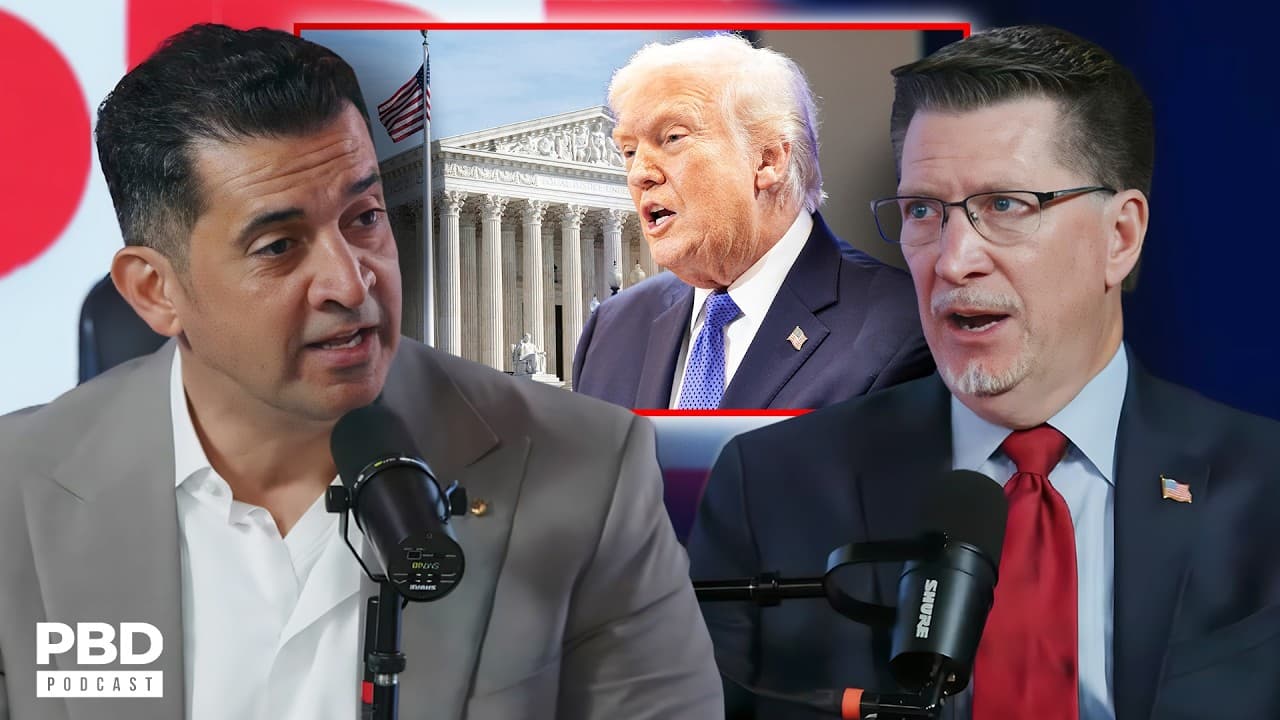
Trump announced a global tariff increase to 15% following a Supreme Court decision limiting his authority. This move has sparked debates over executive power, congressional authority in taxation, and the economic implications. The discussion revolves around whether the tariffs are beneficial or if they pose a constitutional challenge regarding trade policy.
Transcript
story I want to get to is tariffs. Uh Trump raises global tariffs to 15%. Obviously, we know what happened with Supreme Court uh ruling 63 against the tariffs. The president tweeted something. Rob, if you want to pull that up, truth social time, I'm going to come to you first on this one here, the one on the lower case, Rob, that uh we had uh this ... Read More
Key Insights
- Trump raised global tariffs from 10% to 15% following a Supreme Court decision.
- The Supreme Court ruled 6-3 against Trump's tariffs, citing constitutional limits.
- Tariffs are considered a form of tax, which falls under Congress's jurisdiction.
- There is debate over whether tariffs have positively impacted trade negotiations.
- Some argue tariffs have not caused rampant inflation as initially feared.
- Rand Paul emphasized the constitutional role of Congress in tariff decisions.
- Concerns exist about the economic impact on businesses and potential refunds.
- The speed of implementing tariffs in the U.S. is slower compared to countries like China.
Install to Summarize YouTube Videos and Get Transcripts
Explore YouTube Video Summarizer or Get YouTube Transcript Extractor
Questions & Answers
Q: How did the Supreme Court rule on Trump's tariffs?
The Supreme Court ruled 6-3 against Trump's tariffs, stating that tariffs are a form of tax and therefore fall under the jurisdiction of Congress. This decision limits the president's authority to unilaterally impose tariffs without congressional approval.
Q: What was Trump's response to the Supreme Court ruling?
In response to the Supreme Court ruling, Trump announced an increase in global tariffs from 10% to 15%. He emphasized the need for tariffs to protect American industries and criticized the court's decision as anti-American, vowing to continue pursuing trade policies that benefit the U.S.
Q: Why are tariffs considered a form of tax?
Tariffs are considered a form of tax because they are duties imposed on imported goods, effectively raising the price of these goods for consumers. The U.S. Constitution grants Congress the power to levy taxes, including tariffs, which means any changes to tariff rates should originate from legislative action.
Q: What are the economic impacts of increased tariffs?
Increased tariffs can lead to higher costs for imported goods, affecting consumers and businesses. While some argue that tariffs have helped negotiate better trade deals, others point out the financial burden on American households and the potential for retaliatory measures from trading partners.
Q: How do tariffs affect trade negotiations?
Tariffs can be used as leverage in trade negotiations, encouraging other countries to agree to more favorable terms. However, they can also lead to trade disputes and retaliatory tariffs, complicating international relations and potentially harming domestic industries reliant on imports.
Q: What role does Congress play in tariff decisions?
According to the U.S. Constitution, Congress holds the authority to regulate commerce and levy taxes, including tariffs. This means that any significant changes to tariff policies should be enacted through congressional legislation rather than executive orders.
Q: Why is there debate over the effectiveness of tariffs?
The debate over tariffs centers on their impact on the economy and trade relations. Proponents argue that tariffs protect domestic industries and promote fair trade, while critics highlight the potential for increased consumer costs and strained international relationships.
Q: What challenges do businesses face with tariff changes?
Businesses face uncertainty and financial strain with tariff changes, as they may need to adjust pricing, supply chains, and budgeting. The potential for tariff refunds and compliance with new regulations adds complexity, impacting financial planning and operations.
Summary & Key Takeaways
-
Trump's decision to raise global tariffs to 15% follows a Supreme Court ruling limiting his authority. The move has reignited discussions on executive power and Congress's role in taxation, with some arguing the tariffs have been effective in trade negotiations without causing inflation.
-
The Supreme Court's 6-3 ruling against Trump's tariff policy underscores the constitutional requirement that taxes, including tariffs, originate from Congress. This decision has raised concerns about the economic impact on businesses and the potential need for tariff refunds.
-
Debate continues over the effectiveness of tariffs in achieving trade goals. While some praise Trump's leadership in negotiating trade deals, others highlight the constitutional challenges and economic consequences, including the burden on American households and businesses.
Read in Other Languages (beta)
Share This Summary 📚
Summarize YouTube Videos and Get Video Transcripts with 1-Click
Try YouTube Summary with ChatGPT & Claude or YouTube Transcript Generator
Explore More Summaries from Valuetainment 📚





Summarize YouTube Videos and Get Video Transcripts with 1-Click
Try YouTube Summary with ChatGPT & Claude or YouTube Transcript Generator