How Does Fortnite Make Billions from a Free Game?
TL;DR
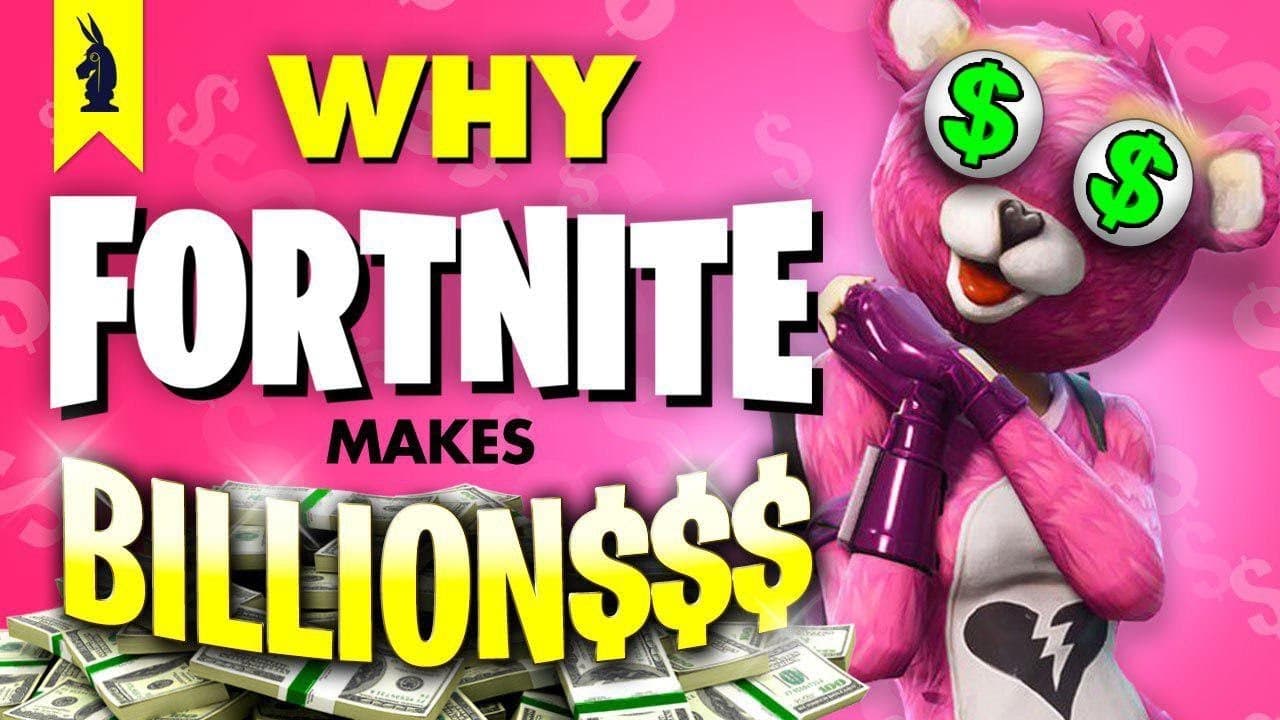
Fortnite generates billions by being free to play, attracting a massive audience with no upfront costs. Its revenue comes from cosmetic purchases, allowing players to showcase their individuality without affecting gameplay. This model highlights the economic concept of conspicuous consumption, as players spend on virtual items primarily to signal status and social belonging.
Transcript
Hey Wisecrack, Jared again. Are you one of the millions spending your evenings as a digital dark elf shotgunning strangers in the world’s most popular video game? Or if not, are you wondering why everyone won’t shut up about the fluorescent cartoon version of PUBG? Whether you’re a Fortnite fan or not, you might have a more pressing question: How t... Read More
Key Insights
- 😌 Fortnite's appeal lies in its free access, making it accessible to a large audience without barrier costs.
- 🎮 The game generates revenue exclusively through cosmetic purchases, placing emphasis on players expressing individuality without gaining gameplay advantages.
- 🤑 The concept of conspicuous consumption is central to understanding players' motivations for spending money on V-Bucks and cosmetic items.
- ⌛ Fortnite employs psychological gaming techniques, creating urgency with limited-time items and rewards to drive purchasing behaviors.
- 🎮 The game’s Battle Pass structure keeps players engaged by promising exclusive access to cosmetics linked to their gameplay milestones.
- 🪛 Critics highlight the potential risks for young players in developing spending habits and the pressure to conform to peer-driven purchase behavior.
- 😑 Fortnite's monetization reflects evolving consumer cultures that prioritize status and individual expression facilitated through digital platforms.
Install to Summarize YouTube Videos and Get Transcripts
Explore YouTube Video Summarizer or Get YouTube Transcript Extractor
Questions & Answers
Q: How does Fortnite attract players despite being free to play?
Fortnite captivates players by offering a free download and accessible gameplay across devices. The vibrant, cartoonish graphics and diverse gameplay options, including individual or squad battles, create an engaging experience. This low entry barrier ensures a broad player base, encouraging social interactions and competition that keep players returning.
Q: What role do V-Bucks play in Fortnite's monetization strategy?
V-Bucks serve as Fortnite's in-game currency, allowing players to purchase purely cosmetic items, such as character skins and emotes. This strategy is effective because it provides players with a personalization element without affecting gameplay balance, encouraging frequent spending while maintaining a sense of fairness among players.
Q: How does Fortnite's model of monetization differ from other free-to-play games?
Unlike many free-to-play games that often incorporate pay-to-win mechanics, Fortnite ensures that all players have equal access to resources. Purchases are entirely cosmetic and do not confer advantages in gameplay. This model fosters a sense of equality among players, making the purchase of items more about personal expression than competitive gain.
Q: Can you explain "conspicuous consumption" in the context of Fortnite?
Conspicuous consumption refers to purchasing decisions influenced by the desire to display wealth or status. In Fortnite, players buy cosmetics not for gameplay benefits but to showcase their identity and style within the game. This desire to impress peers aligns with theories from economist Thorstein Veblen, emphasizing social visibility through consumption.
Q: What is the significance of Fortnite's Battle Pass system?
The Battle Pass system incentivizes players to engage with the game daily, providing exclusive rewards tied to gameplay progress. By presenting exclusive items that can only be unlocked through the pass, players are encouraged to invest both time and money, reinforcing behaviors associated with conspicuous consumption.
Q: How does Fortnite normalize spending on virtual items among players?
By creating an environment where everyone can access the same game and then offering cosmetic items for purchase, Fortnite normalizes spending. The psychological triggers include limited-time offers and visible rewards, compelling players to make purchases to achieve social standing within the gaming community.
Q: What are some criticisms of Fortnite's monetization tactics?
Critics argue that Fortnite's monetization can exploit vulnerable players, particularly younger audiences who may lack impulse control. Additionally, the game’s design fosters a culture of continuous spending, where players might feel pressured to buy cosmetic items to keep up with peers, leading to financial strain in some cases.
Q: How does Fortnite's economic model reflect broader societal consumption trends?
Fortnite exemplifies how modern economies thrive on conspicuous consumption, where status reflects personal wealth. By offering a free platform that invites widespread participation, it turns players into consumers within a digital space, mirroring offline consumer behavior shaped by social comparison and peer pressure.
Summary & Key Takeaways
-
Fortnite's popularity is attributed to its free-to-play model, allowing anyone with internet access to join without needing an expensive console.
-
Epic Games generates substantial revenue primarily through cosmetic in-game purchases known as V-Bucks, which do not confer any competitive advantage in gameplay.
-
The game's financial success highlights a modern economic principle of conspicuous consumption, where consumers buy for social status rather than utility.
Read in Other Languages (beta)
Share This Summary 📚
Summarize YouTube Videos and Get Video Transcripts with 1-Click
Try YouTube Summary with ChatGPT & Claude or YouTube Transcript Generator