Why Is the UAE Leaving OPEC, and Is It the End of the Petro-Dollar?
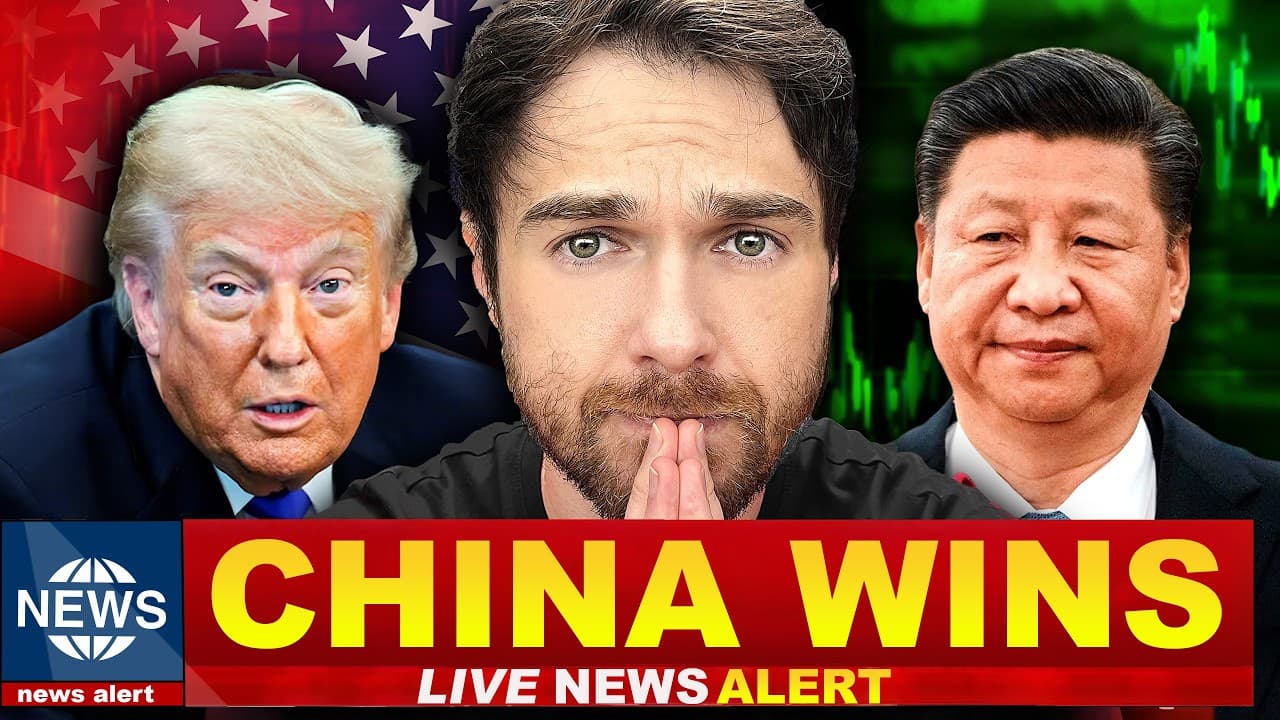
TL;DR
The UAE says it is leaving OPEC and OPEC+ to meet changing oil demand more easily, but the decision also exposes growing pressure on the petro-dollar system. Effective May 1, the exit follows a warning that the UAE may use yuan or other currencies if dollar supplies run low amid the Iran war. Read on to understand how oil pricing, Gulf-held US assets, and dollar swap lines create global financial leverage.
Transcript
So now it looks like Cuba is next. And the United Arab Emirates, which was a founding member of OPEC since 1967, just told the world that they're leaving the oil cartel effective May 1st. The United Arab Emirates says that it is withdrawing from OPEC and OPEC plus. OPEC is a decades old cartel of the world's largest oil producing exporters. The ene... Read More
Key Insights
- The UAE's exit from OPEC is a strategic move to adapt to changing global oil demands.
- The UAE's threat to use yuan instead of dollars highlights a shift in currency power dynamics.
- The US is concerned about the potential sale of US assets by Gulf states, which could destabilize markets.
- The petro-dollar system, based on oil sales in US dollars, is being challenged for the first time in decades.
- China is strengthening its economic ties with the UAE, potentially shifting the balance of power in global trade.
- Central banks are increasingly choosing gold over US treasuries, indicating a loss of trust in the dollar.
- The closure of the Strait of Hormuz by Iran has significant implications for global oil supply and prices.
- The US's reliance on China for rare earth materials poses a strategic vulnerability in ongoing economic conflicts.
Install to Summarize YouTube Videos and Get Transcripts
Explore YouTube Video Summarizer or Get YouTube Transcript Extractor
Questions & Answers
Q: Why is the UAE leaving OPEC?
The UAE’s energy minister says leaving OPEC and OPEC+ will make it easier for the country to meet changing demand. The transcript also frames the withdrawal as a move occurring amid an Iran-war energy crisis and pressure on the dollar-based oil system.
Q: When is the UAE leaving OPEC and OPEC+?
The UAE said its withdrawal from OPEC and OPEC+ would take effect May 1. The transcript describes the UAE as a founding OPEC member since 1967.
Q: What is the petro-dollar system?
The petro-dollar system described in the transcript began with a 1974 agreement under which Saudi Arabia priced oil exclusively in US dollars and recycled those dollars into US Treasury bonds. In return, the United States provided military protection and weapons, while global demand for oil created structural demand for dollars.
Q: Why could the UAE price oil in yuan or other currencies?
The UAE warned that it might use yuan or other currencies if it ran low on dollars amid the Iran war. According to the transcript, doing so would challenge the dollar-denominated oil-pricing system that has operated for more than 50 years.
Q: How did the United States respond to the UAE’s warning?
Treasury Secretary Scott Bessant discussed providing dollar swap lines requested by Gulf allies. He said such lines would maintain order in dollar funding markets and prevent a disorderly sale of US assets.
Q: How much do Gulf states hold in US assets?
The transcript says the Gulf Cooperation Council collectively holds more than $2 trillion in US assets. It argues that a disorderly sale of those holdings could destabilize US markets, giving Gulf states significant financial leverage.
Q: How has the Iran war affected oil and gas markets?
The transcript says the Iran war triggered a global energy crisis and a supply shock. Gas at the pump reached a record high, while the paper price of a barrel of oil rose above $100.
Q: Does the UAE’s OPEC exit mean the petro-dollar is ending?
The transcript presents the exit as a challenge to the petro-dollar rather than proof that it has already ended. The key risk is that the UAE could price oil in yuan or other currencies, reducing the oil trade’s exclusive reliance on US dollars.
Summary & Key Takeaways
-
The UAE's decision to leave OPEC is a response to evolving global oil demands and a desire for greater economic flexibility. This move challenges the petro-dollar system, which has dominated global oil trade for decades. As the UAE strengthens ties with China, it signals a potential shift towards alternative currencies like the yuan, threatening the US dollar's dominance.
-
The Iran war has exacerbated economic challenges for Gulf states, leading to increased borrowing and a need for dollar reserves. The US is attempting to stabilize markets by offering swap lines, but this highlights the fragility of the current financial system. The closure of the Strait of Hormuz further complicates global oil supply and economic stability.
-
China's strategic investments in global trade and rare earth materials are positioning it as a key player in the shifting economic landscape. As central banks diversify their reserves towards gold, the US faces mounting pressure to maintain its economic influence. The evolving dynamics underscore the importance of understanding global monetary shifts and their impact on markets.
Read in Other Languages (beta)
Share This Summary 📚
Summarize YouTube Videos and Get Video Transcripts with 1-Click
Try YouTube Summary with ChatGPT & Claude or YouTube Transcript Generator
Explore More Summaries from Andrei Jikh 📚



Summarize YouTube Videos and Get Video Transcripts with 1-Click
Try YouTube Summary with ChatGPT & Claude or YouTube Transcript Generator