Machiavelli's 8 Traits of Dark Intelligence: How to Think Strategically
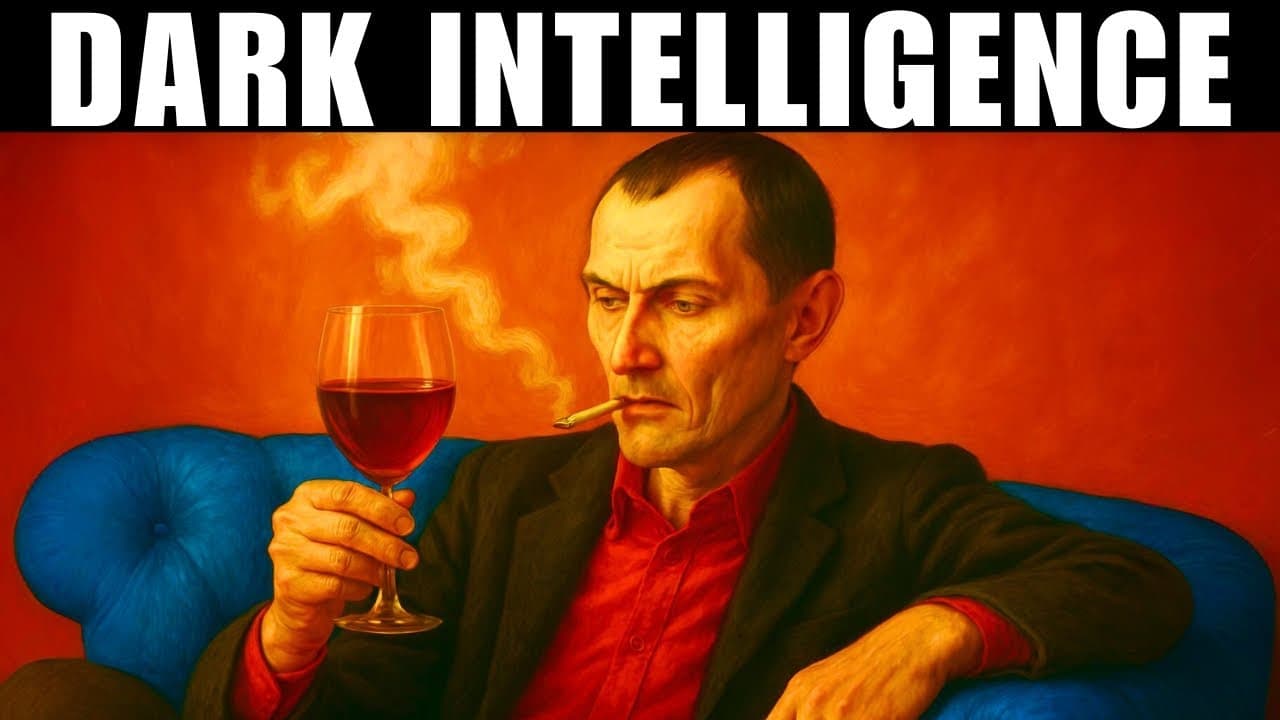
TL;DR
Dark intelligence is the strategic mindset that keeps you calm and calculating while others react emotionally, and this breakdown splits it into eight psychological traits that separate survivors from victims. The first two, calculated opacity (revealing only what is necessary) and adaptive persona (adjusting your style to each person without losing your core values), build influence through mystery and genuine connection. Keep reading for the remaining six traits, including detachment, silent leverage, and outcome obsession, and how to apply each.
Transcript
The world never plays fair. No matter how honest you are, someone will betray you. No matter how skilled you become, someone less qualified will take your spot. That's reality. But those who understand this reality, they survive. And those who survive, they rule. This is a power you can't see, but everyone feels it. This is dark intelligence. Dark ... Read More
Key Insights
- Calculated opacity is about being selectively transparent, allowing curiosity to build influence.
- Adaptive persona involves adjusting your communication style to connect with different types of people.
- Detachment means not being overly attached to outcomes, providing clarity and strength in decision-making.
- Silent leverage uses strategic patience and positioning to influence outcomes without overt pressure.
- Psychological echo involves reflecting people's needs back to them, creating trust and influence.
- Ambiguous morality accepts the complexity of real-world ethics, focusing on outcomes over appearances.
- Controlled exposure means being strategic about what personal information you reveal and when.
- Outcome obsession prioritizes results over arguments or appearances, ensuring focus on achieving goals.
Install to Summarize YouTube Videos and Get Transcripts
Explore YouTube Video Summarizer or Get YouTube Transcript Extractor
Questions & Answers
Q: What is dark intelligence and what are the eight traits?
Dark intelligence is described as a strategic form of intelligence that listens, watches, stays quiet, and strikes at the perfect moment, built from experiences of betrayal and defeat. While others argue and react emotionally, you gather information and plan ahead. The video lays out eight traits that separate survivors from victims: calculated opacity, adaptive persona, detachment, silent leverage, psychological echo, ambiguous morality, controlled exposure, and outcome obsession. It frames this knowledge as protection, not destruction.
Q: How do you use calculated opacity to build influence?
Calculated opacity means never being completely clear about your intentions and showing only what is necessary. When people know half the story, they fill in the blanks with their imagination, which builds curiosity, interest, and eventually respect and influence. As Machiavelli put it, everyone sees what you appear to be, but few experience what you really are. The point is not to lie, but to be selective about what you share and when, keeping control over your narrative.
Q: What is the adaptive persona trait?
Adaptive persona means adjusting your personality and communication style based on who you are talking to, something you already do naturally when you speak differently to your grandmother than to your friends. If someone is analytical, give them facts and data; if they are emotional, connect with their feelings; if they think big picture, paint the vision. The video compares this to water, which takes the shape of its container but never loses its essential properties, so you adapt your expression without losing your core values.
Q: Why is detachment important in decision-making?
Detachment means not being overly attached to specific outcomes, which provides clarity and strength when deciding. By staying emotionally independent, you can see situations more clearly and negotiate from a position of strength. It also protects you from manipulation, since people cannot exploit an attachment you do not have. This keeps your focus on your actual goals rather than on winning any single moment.
Q: How does silent leverage work?
Silent leverage creates influence without overt pressure, relying on strategic patience and positioning so that your presence alone shifts the dynamics of a situation. By making yourself indispensable and letting others make their own mistakes, you can guide outcomes in your favor without direct confrontation or demands. It is about influence that is felt rather than announced.
Q: What is psychological echo?
Psychological echo involves reflecting people's deepest needs and fears back to them so they feel understood and trusted. By listening carefully and responding to the emotions underneath their words, you make people feel seen and valued. That sense of being understood strengthens your connection and quietly increases your influence over the relationship.
Q: What does ambiguous morality mean here?
Ambiguous morality accepts the complexity of real-world ethics and focuses on outcomes rather than appearances. It means making pragmatic decisions that serve the larger goal even when they are not perfectly clean or simple. The trait asks you to balance ethical guidelines against the need for effective action instead of chasing the appearance of virtue.
Q: Why does outcome obsession matter?
Outcome obsession keeps your attention on achieving results rather than winning arguments or proving points. By prioritizing the actual outcome, you avoid distractions and unnecessary conflicts and stay aligned with your goals. Paired with controlled exposure, being intentional about what personal information you reveal and when, it keeps you focused and in control of how others perceive you.
Summary & Key Takeaways
-
Machiavellian intelligence is about using strategic traits to gain influence and control in complex situations. Key traits include calculated opacity, adaptive persona, and detachment, which help individuals maintain power and clarity. By mastering these traits, individuals can navigate challenges effectively while adhering to ethical standards.
-
Calculated opacity and adaptive persona are essential for creating influence through strategic communication. Detachment and silent leverage provide clarity and control, allowing individuals to make decisions without being swayed by emotions or attachments. These traits enable individuals to maintain focus on their goals.
-
Outcome obsession ensures that individuals prioritize results over arguments or appearances, leading to effective decision-making. Controlled exposure and psychological echo enhance influence by managing personal information and understanding others' needs. Together, these traits form a powerful framework for strategic intelligence.
Read in Other Languages (beta)
Share This Summary 📚
Summarize YouTube Videos and Get Video Transcripts with 1-Click
Try YouTube Summary with ChatGPT & Claude or YouTube Transcript Generator
Explore More Summaries from Dark Psychology Coded 📚


Summarize YouTube Videos and Get Video Transcripts with 1-Click
Try YouTube Summary with ChatGPT & Claude or YouTube Transcript Generator