Is the World Economic Forum Gaining More Power?
TL;DR
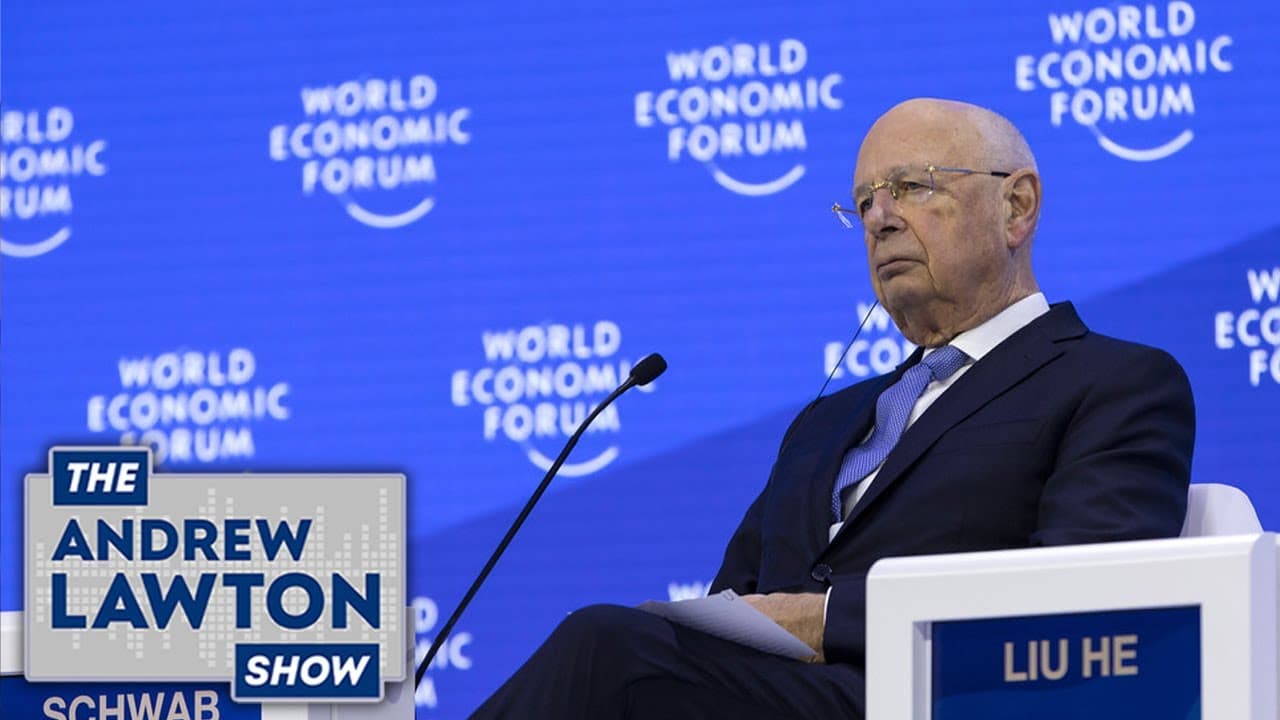
The World Economic Forum (WEF) is perceived to be gaining power, especially post-pandemic, due to increased participation from global elites and significant financial backing from transnational corporations. Independent media coverage at these events is crucial, as traditional media often fails to confront key figures. A growing skepticism towards WEF representatives indicates heightened scrutiny of their influence in politics and economics.
Transcript
you're tuned in to the Andrew lton show I I wanted to share this interview I was going to last week and then everything got kind of sidelined when the federal court decision came in that found the emergencies act to be unconstitutional and it is a bit of a hold over a leftover I should say from my time in Davos covering the world economic Forum ann... Read More
Key Insights
- 😮 Independent media's rise at elite gatherings like Davos highlights the need for accountability among powerful figures.
- 💗 A noticeable increase in attendance at Davos suggests the event's growing significance in global governance debates.
- 😥 Climate change and sustainability remain focal points, often juxtaposed with the practices of prominent corporations.
- 🔉 Security measures and attendee behavior indicate heightened awareness and anxiety regarding media scrutiny.
- 🤨 The financial clout of organizations represented at Davos raises concerns about the implications for public policy and governance.
- 🇨🇫 Comparisons between Davos and Washington, D.C. highlight differing dynamics in political interactions and public engagement.
- ❓ The evolving landscape of journalism, especially independent reporting, remains essential for ensuring diverse perspectives at influential gatherings.
Install to Summarize YouTube Videos and Get Transcripts
Explore YouTube Video Summarizer or Get YouTube Transcript Extractor
Questions & Answers
Q: What drives independent journalists to cover events like Davos?
Independent journalists, like those in the interview, are motivated by the desire to ask critical questions that mainstream media often ignore. They believe there is an imperative to hold powerful figures accountable, ensuring that voices from the public are represented. The lack of rigorous questioning in such elite gatherings creates an opportunity for these journalists to engage directly with leaders who might otherwise evade scrutiny.
Q: How has the atmosphere at Davos changed over the years?
The atmosphere at Davos has evolved, becoming busier and more security-conscious as the event draws increasing numbers of global elites. In recent years, attendees have been more aware of media scrutiny, often hiding their identities or avoiding press interactions, indicating a shift towards greater concern about public perception and potential criticism of their actions and discussions.
Q: What are the key themes emerging from the discussions held at Davos?
Key themes at Davos include climate change, sustainability, and the implications of artificial intelligence. These topics dominate conversations and media coverage, although there is often irony in the discussions, as many participants represent large corporations that contribute to environmental issues. The prevalence of these themes reflects broader global priorities, but also highlights potential hypocrisy within elite circles.
Q: What are some criticisms levied against the World Economic Forum?
Critics argue that the World Economic Forum operates as a private gathering for elites, enabling hidden agendas without accountability. Its financial power and connections to political leaders raise concerns about transparency. Many view it as a "playground" for powerful figures to negotiate and make decisions away from public scrutiny, which leads to skepticism about the benefits claimed for society as a whole.
Q: How do attendees of Davos respond to independent media coverage?
Attendees at Davos tend to be unaccustomed to being challenged by independent journalists, often appearing defensive or evasive. Some participants have expressed appreciation for critical media work, while others seem wary of the scrutiny. The presence of assertive questioning journalists poses a unique challenge to the status quo, prompting a mix of reactions among the elite.
Q: What role does technology play in the conversations at Davos?
Technology, particularly AI and digital platforms, plays a central role in discussions at Davos. The prominence of tech corporations indicates their influence on global policies and economies. While technology presents opportunities for innovation and growth, there are concerns about censorship and the control these companies wield over public discourse, raising questions about their role in democracy.
Summary & Key Takeaways
-
The interview discusses the significance of independent media presence at the World Economic Forum, highlighting the lack of critical questioning faced by global elites during such gatherings.
-
Observations reveal an increase in both attendance and the focus on topics like climate change and AI, as well as a noticeable anxiety among attendees regarding press scrutiny.
-
The conversation underscores the growing criticism of the World Economic Forum's impact on politics and economics, questioning the accountability and transparency of its attendees.
Read in Other Languages (beta)
Share This Summary 📚
Summarize YouTube Videos and Get Video Transcripts with 1-Click
Try YouTube Summary with ChatGPT & Claude or YouTube Transcript Generator
Explore More Summaries from True North 📚

Summarize YouTube Videos and Get Video Transcripts with 1-Click
Try YouTube Summary with ChatGPT & Claude or YouTube Transcript Generator