Why Good Habits Rarely Stick and What to Do Instead
TL;DR
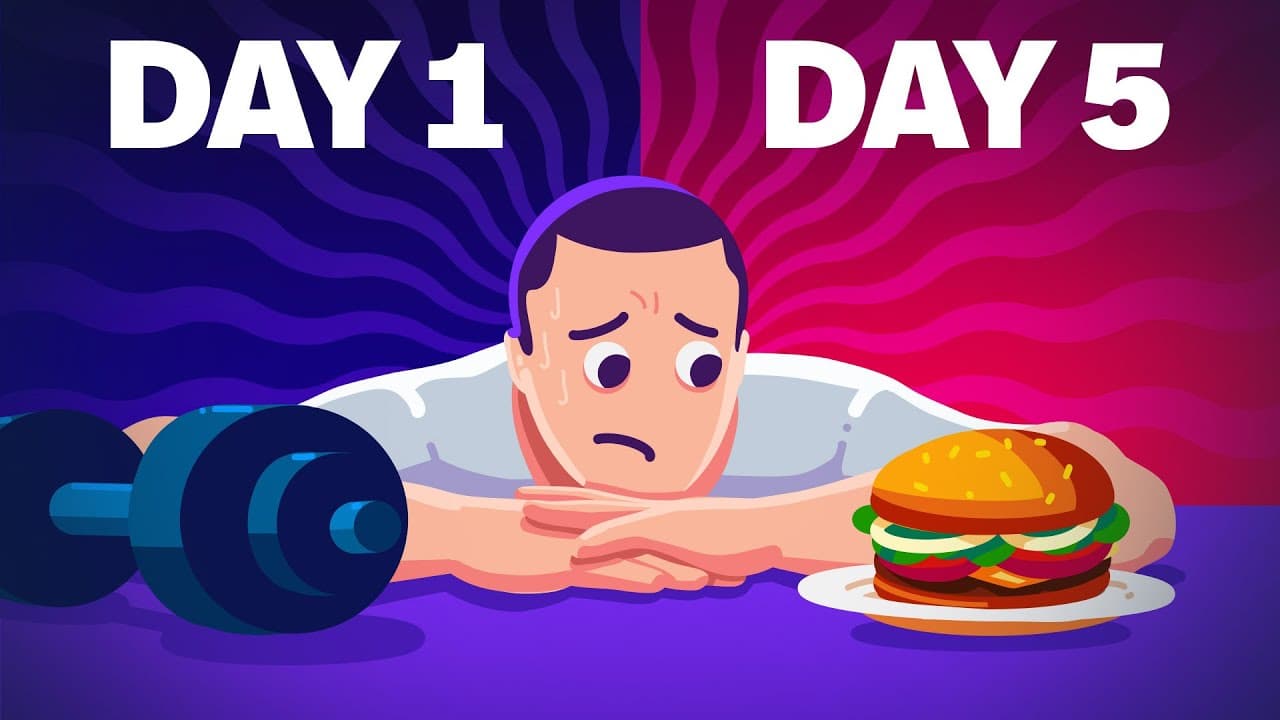
Habit-building fails for many people because habits appeal to a desire for effortlessness, yet the path to forming them is a daily struggle. Dynamic, inconsistent people often succeed better through drastic short-term change and by speedrunning the basics, exercise, meditation, eating, admin, immediately on waking, accepting the struggle rather than expecting automation.
Transcript
you are unlucky because the person that will inherit all of your hard work tomorrow will not be you you will wake up you will be a different human being who will spawn into your life they will have a clean kitchen they'll have food in the fridge they'll feel hungry in the morning they'll be well rested that that person is going to reap all the bene... Read More
Key Insights
- A habit is defined as an automatic action that does not require effort or struggle, which is precisely why people are drawn to the idea of building habits: they want good actions to happen without conscious effort.
- The appeal of a habit-filled life is fundamentally a desire for laziness, a thirst for a lack of struggle, wanting good things done automatically the way people lose themselves in scrolling or distraction.
- Habit-building creates a paradox: the goal is to escape struggle, but the path requires struggling hard every single day, so fundamentally lazy people rarely succeed at forming the habits they crave.
- Some people are not farmer types who wake and act identically each day but hunter types who are dynamic, inconsistent, and lack follow-through, and the standard habit pathway works poorly for them.
- Drastic change in a short amount of time is the most successful path for some people, such as quitting substances cold turkey rather than cutting back by 25% each week, going full keto rather than reducing carbs.
- Joining the military helped many patients because it instituted drastic structural change, giving them a schedule for eating, exercising, waking early, and making their bed, though this is presented as an individual choice.
- Speedrunning all the unenjoyable basics immediately upon waking, food, sleep, exercise, meditation, and admin, is presented as the best-working alternative to habit-building for inconsistent people.
- Keeping devices out of arm's reach from the bed is rule number one, since people who have free time to themselves tend to waste it, with the average person using cell phones about 4 hours and 37 minutes per day.
Install to Summarize YouTube Videos and Get Transcripts
Explore YouTube Video Summarizer or Get YouTube Transcript Extractor
Questions & Answers
Q: Why do good habits rarely stick for some people?
Habits rarely stick because they are automatic actions that require no effort, so the appeal is essentially a desire for laziness and a lack of struggle. Yet the path to building a habit is the opposite of laziness, it is a hard struggle every single day. If someone is drawn to habits because they no longer want to struggle, chances are they have not built the habits, since building them demands exactly the sustained effort they were trying to avoid.
Q: What is a habit according to Dr. K?
Dr. K defines a habit scientifically as an automatic action. The habits you already have do not require effort, and that is precisely what makes them habits, they are automatic and do not require a struggle. This is why people love the idea of habits: they imagine turning good actions like exercising and eating healthy into automatic behaviors so life becomes easy. Understanding this automaticity reveals why the desire for habits is really a desire for effortlessness.
Q: Who struggles most with building habits?
People described as dynamic, inconsistent, and lacking follow-through struggle most with habits. Dr. K contrasts farmer types, who wake at the same time and do the same things every day, with hunter types who wake early, go into the environment, and see what they can find. These dynamic hunter people, which he includes himself among, find habits very hard to build, and the standard belief that you cannot succeed without habits does not fit them well.
Q: How can inconsistent people succeed without building habits?
Inconsistent people can succeed by making drastic changes in a short amount of time rather than tiny incremental ones, and by speedrunning the basics immediately upon waking. Instead of a 1% change each day for hundreds of days, they do something dramatic all at once. They accept that the process will be a struggle from day one and never becomes easy, then power through exercise, meditation, admin, showering, and cooking early in the day rather than relying on automation.
Q: Why does drastic change work better than gradual change for some people?
For some people drastic change works because they cannot sustain slow incremental adjustments. Dr. K gives examples: patients quit substances by going cold turkey rather than cutting cigarettes 25% per week, and dietary changes succeed as full keto, tossing out all carbs and buying protein and vegetables, rather than modest carb reduction. A breakup works better as a clean break than a gradual reduction in texting. Society does not acknowledge or support these drastic-change people enough.
Q: Why did joining the military help many of Dr. K's patients?
Dr. K says 60 to 70% of patients he worked with who joined the military found it an awesome thing to do because it instituted a drastic change and gave them structure. They started eating, exercising, waking up every day, and making their bed because of military routine. Even veterans with PTSD were mostly happy with joining, though they might dislike particular parts, officers, or aspects of service. He stresses this is an individual choice and not an endorsement of enlisting.
Q: What are the basics Dr. K says you should focus on?
The basics are food, sleep, exercise, meditation, and admin. These are the unenjoyable tasks in life, the crap you should do but often procrastinate on, like exercising, meditating, cooking at home, eating healthy, and going through your mail instead of avoiding it. Dr. K calls them the sandbags that hold you back. Checking all these boxes matters, and he teaches how to accomplish them without necessarily relying on building habits.
Q: How should you structure your morning to get the basics done?
Dr. K recommends speedrunning all the unenjoyable tasks the moment you wake up. Rule number one is keeping devices out of arm's reach, not near your bed, because people waste free time, with the average person using phones about 4 hours 37 minutes daily. For the first 90 minutes you struggle through it: exercise 30 minutes, meditate 15 minutes, do admin like paying bills and reaching inbox zero for 15 minutes, shower 10 minutes, then cook breakfast, accepting it stays hard.
Summary & Key Takeaways
-
Dr. K argues that despite strong research supporting habits, the habit pathway does not work for a large fraction of people, especially dynamic, inconsistent hunter types who lack follow-through, and he offers an alternative approach for handling life's basics.
-
Habits are automatic actions requiring no effort, so the desire for a habit-filled life is really a thirst for laziness. This creates a paradox: escaping struggle through habits demands a daily struggle to build them, which lazy people rarely sustain.
-
For some people, drastic change in a short time works better than incremental 1% daily improvements, seen in cold-turkey quitting, full keto diets, and military enlistment. The recommended tactic is speedrunning the basics on waking, keeping devices away and accepting constant struggle.
Read in Other Languages (beta)
Share This Summary 📚
Summarize YouTube Videos and Get Video Transcripts with 1-Click
Try YouTube Summary with ChatGPT & Claude or YouTube Transcript Generator
Explore More Summaries from HealthyGamerGG 📚

Summarize YouTube Videos and Get Video Transcripts with 1-Click
Try YouTube Summary with ChatGPT & Claude or YouTube Transcript Generator