How to Improve Your Inking Skills and Techniques
TL;DR
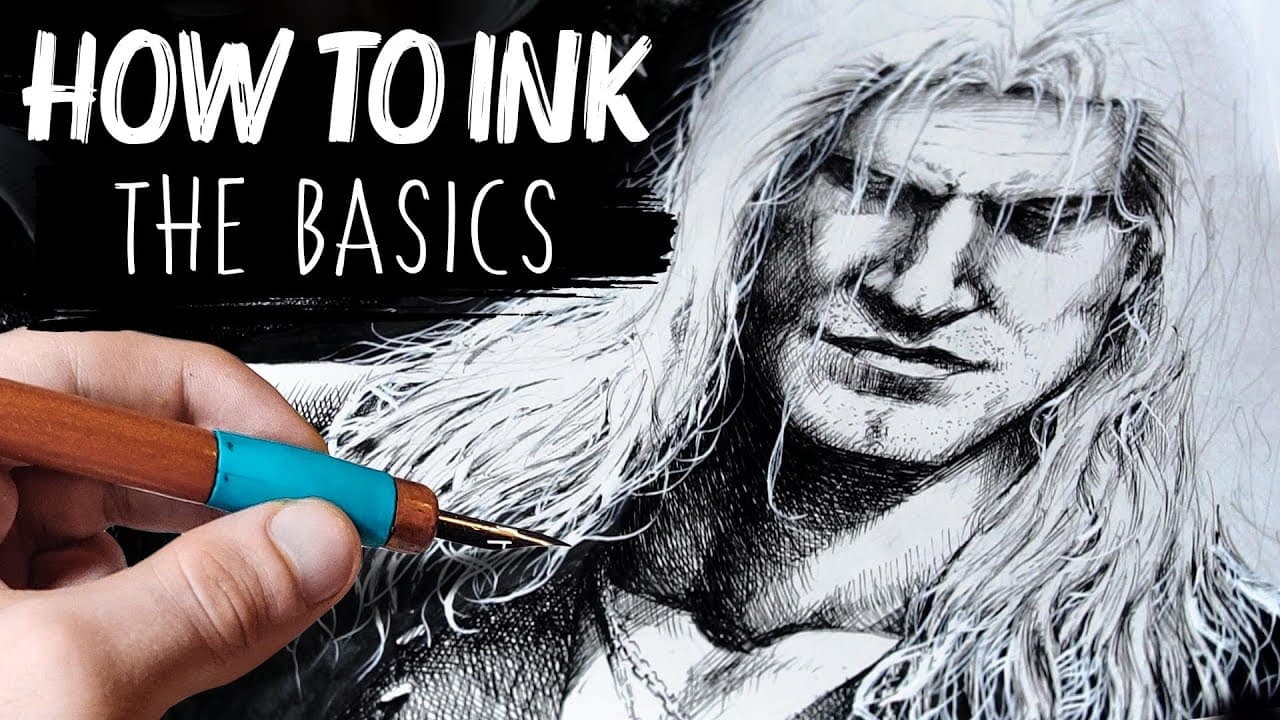
To improve your inking skills, focus on using quality materials like dip pens for detail and variations in line. Start with simpler sketches to enhance your line art and strategically apply shadows for depth. Consistency and practice are key; experiment with your strokes and techniques to find what works best for your style.
Transcript
[music] Hi guys. My name is Marcel and man, do I love inking! I don't care about the art style, I ink portraits, anime, manga pages, mechanical stuff. I just love inking so much, I love it more than... Genshin Impact players love minors. And in today's video, I'll show you what materials you need to start inking. Their pros, their cons, what you s... Read More
Key Insights
- 😉 Inking is a skill that enhances artwork by adding definition and detail to sketches, requiring practice and knowledge of techniques.
- 😉 Traditional inking methods like using dip pens offer advantages in detail and line variation but present a steeper learning curve.
- 🖇️ Selecting appropriate materials, such as quality ink, pens, and paper, is essential for achieving professional-looking results without fading.
- 🫥 Line variation through the strategic use of thick and thin lines can create texture and highlight important elements in a drawing.
- 😉 Understanding the importance of preparatory sketches can streamline the inking process, allowing for better artistic choices later.
- 🤗 Digital tools, such as stabilizers, should be used judiciously to maintain the liveliness of hand-drawn aspects in digital artworks.
- 🥰 Shadow application not only adds depth but also engages viewers, enhancing storytelling within visual arts.
Install to Summarize YouTube Videos and Get Transcripts
Explore YouTube Video Summarizer or Get YouTube Transcript Extractor
Questions & Answers
Q: What materials do you recommend for beginners who want to start inking?
For beginners, I suggest starting with liners as they are affordable and easy to use. Liners can be found in most art supply stores and provide a decent range of line weights. However, keep in mind that they can fade upon erasing, which may be a consideration for cleaner artworks. As you progress, you might explore dip pens and other traditional tools for more detailed work.
Q: How can I improve my line art while inking?
To improve your line art, focus on inking as a process rather than just tracing your sketches. Consider simplifying your initial sketches so you can add details during the inking phase. Additionally, pay attention to line variation, utilizing thin and thick lines to create depth and emphasis, and always ensure consistency between your sketch style and inking technique.
Q: Why is it important to choose the right paper for inking?
The type of paper you use significantly affects your inking results. Using thicker papers like watercolor or manga paper helps achieve cleaner lines without bleeding or fading, unlike regular printer paper, which is too thin for ink. A suitable paper ensures that the ink adheres properly, allowing for better detail and definition in your artwork.
Q: What role does stabilizer play in digital inking, and how should I use it?
Stabilizers help smooth out shaky lines when inking digitally but should be used with caution. Overusing stabilizers can lead to overly smooth and lifeless lines. Aim to keep the stabilization minimum, allowing your natural hand movements to show through, which gives your artwork a dynamic and organic feel.
Q: Can you explain the significance of shadows in line art?
Incorporating shadows into your line art adds depth and helps prevent your work from appearing flat. Utilizing shadows creates contrast, making certain elements stand out while suggesting volume and distance. Experimenting with various line weights to depict shadows can enhance the overall visual appeal and engagement of your illustrations.
Q: Are dip pens worth the investment for inking, especially for beginners?
While dip pens can be pricier and more challenging for beginners to use, they offer incredible detail and line variation that are unmatched by liners. If you're serious about inking and are willing to invest time in mastering them, dip pens can greatly enhance your artwork. Otherwise, starting with liners is a more practical choice before transitioning to dip pens.
Q: What is the advantage of using a light pad when inking?
A light pad allows for tracing sketches onto cleaner paper, ensuring clear and defined lines in your final artwork. This method helps eliminate messy sketches and guides your inking process, making it easier to achieve cleaner results. It's particularly useful for artists who prefer to do their sketches on cheaper paper initially.
Summary & Key Takeaways
-
The video features Marcel sharing his passion for inking while introducing various materials and methods, such as liners and dip pens, along with tips for improving line art.
-
He discusses the advantages and disadvantages of traditional inking methods, emphasizing the importance of using the right inks and paper to achieve clean results without fading.
-
Additionally, Marcel provides guidance on refining sketches, using shadows, and improving line quality in artwork, all while ensuring a dynamic and engaging inking process.
Read in Other Languages (beta)
Share This Summary 📚
Summarize YouTube Videos and Get Video Transcripts with 1-Click
Try YouTube Summary with ChatGPT & Claude or YouTube Transcript Generator
Explore More Summaries from Draw like a Sir 📚
Summarize YouTube Videos and Get Video Transcripts with 1-Click
Try YouTube Summary with ChatGPT & Claude or YouTube Transcript Generator