What Is Memento Mori? Stoic Exercises for Inner Peace
TL;DR
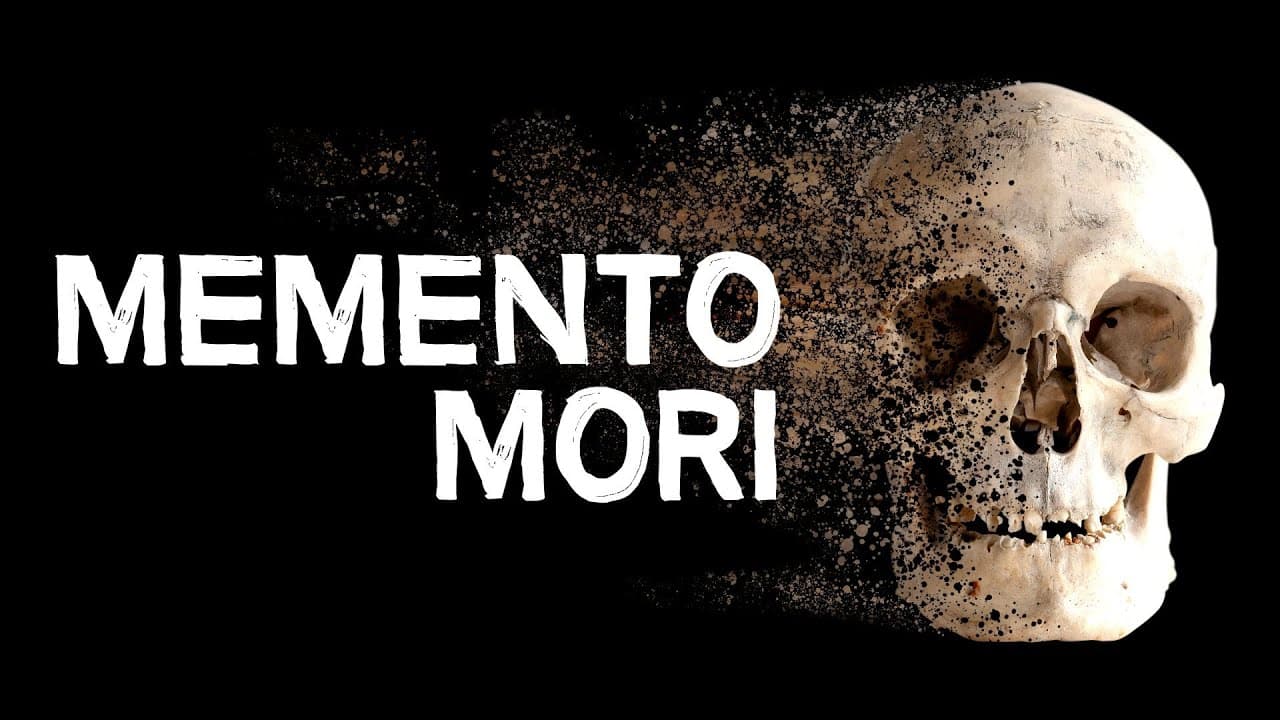
Memento mori is Latin for "remember thou art mortal," and the Stoics used it as a daily exercise to stop wasting life on trivial things. Philippe de Champaigne's 1671 painting captures its three essentials: an hourglass for time ticking away, a rose for decay, and a skull for death itself. Marcus Aurelius, Epictetus, and Socrates all frame death as neutral rather than terrible. See how the practice kills procrastination and prepares you for loss.
Transcript
Life is short. It's ticking away and seems to pass by faster as we get older. Despite of this, many people waste their lives on trivial things. But there’s an antidote. Thinking about death not only reminds us that we have a limited amount of time to do the things we want to do; it also teaches us to accept the reality of death itself and that it’s... Read More
Key Insights
- 🫒 Memento mori symbolizes embracing mortality and living purposefully.
- 🛟 Reflection on death combats procrastination by acknowledging life's brevity.
- 😀 Stoic philosophy encourages acceptance of death and resilience in the face of loss.
- ❓ Preparation for mortality enables a healthier mindset towards inevitable separations.
- 🥺 Understanding the impermanence of life leads to appreciating time and meaningful living.
- 🉑 Accepting death as a natural part of existence fosters serenity and preparation.
- 😀 Stoic principles advocate facing mortality with courage and preparedness.
Install to Summarize YouTube Videos and Get Transcripts
Explore YouTube Video Summarizer or Get YouTube Transcript Extractor
Questions & Answers
Q: What does memento mori mean and what do its symbols stand for?
Memento mori is Latin for "remember thou art mortal." Philippe de Champaigne's 1671 painting shows its three essentials: the hourglass, standing for life ticking away second after second; the rose, standing for the truth that we all decay at some point; and the skull, representing death itself. Together they remind you that today could be the last day you walk the earth, and that the same applies to the people around you.
Q: How does thinking about death stop procrastination?
Procrastination can only take place if we believe we have an abundance of time. Memento mori removes that belief, so you face the necessity of doing the task now, because tomorrow you might be dead. Marcus Aurelius put it directly in his Meditations: "You could leave life right now. Let that determine what you do and say and think."
Q: If you were going to die today, what would a Stoic actually do?
Some people would go on a hedonistic binge, grabbing whatever pleasure they can before they die, but that would not be the preferred option under Stoic principles. Instead you would live your last hours as virtuously as possible: show appreciation for the people you love and tell them so, and take care of any unfinished business right now.
Q: Why do the Stoics say death itself is not what frightens us?
The fear and sorrow come from our opinions about death, not from death itself. Epictetus wrote that men are disturbed not by things but by the principles and notions they form concerning things, and that death is not terrible, else it would have appeared so to Socrates. The terror lies in our notion that death is terrible.
Q: How does memento mori prepare you for losing someone you love?
Reminding yourself right now that you could lose a loved one at any moment helps you be less shocked when it actually happens. Instead of clinging to a person and wishing you will never be separated, you embrace the reality that the day of separation will come. This does not mean you should not grieve or mourn; it means you were prepared all along, so you can stay more functional and helpful to your community when death occurs.
Q: Does Stoicism expect you to feel nothing when someone dies?
No. The video is explicit that not being affected by loss is easier said than done. Even though the Stoics propose that ideal, most of us are still human and will have to deal with grief when someone we love dies. The practice makes loss more neutral through preparation, not through suppressing mourning.
Q: What does Marcus Aurelius say about welcoming death?
He writes: "Don't look down on death, but welcome it. It too is one of the things required by nature." He compares dissolution to youth and old age, growth and maturity, a new set of teeth, a beard, the first gray hair, and to sex, pregnancy, and childbirth, calling it no different from all the other physical changes at each stage of life.
Q: What happens after we die, according to the video?
It says no one knows for sure, and offers two possibilities without choosing between them: entering an eternal nothingness that frees us from sense-perception, emotional turmoil, worry, rumination, and the enslavement of our bodies, or returning to the flesh for another life in the realm of matter. What we do know is that mortality is upon us, and the closing suggestion is that when death smiles at us, the best response is to smile back.
Summary & Key Takeaways
-
Memento mori is a Latin phrase meaning "remember you will die," symbolized by an hourglass, rose, and skull.
-
Reflecting on death can inspire virtuous living, appreciating time and preparing for loss.
-
Stoic philosophy teaches acceptance of death, leading to living with purpose and a healthier mindset.
Read in Other Languages (beta)
Share This Summary 📚
Summarize YouTube Videos and Get Video Transcripts with 1-Click
Try YouTube Summary with ChatGPT & Claude or YouTube Transcript Generator
Explore More Summaries from Einzelgänger 📚


Summarize YouTube Videos and Get Video Transcripts with 1-Click
Try YouTube Summary with ChatGPT & Claude or YouTube Transcript Generator