Why Are Feelings More Important Than Reason?
TL;DR
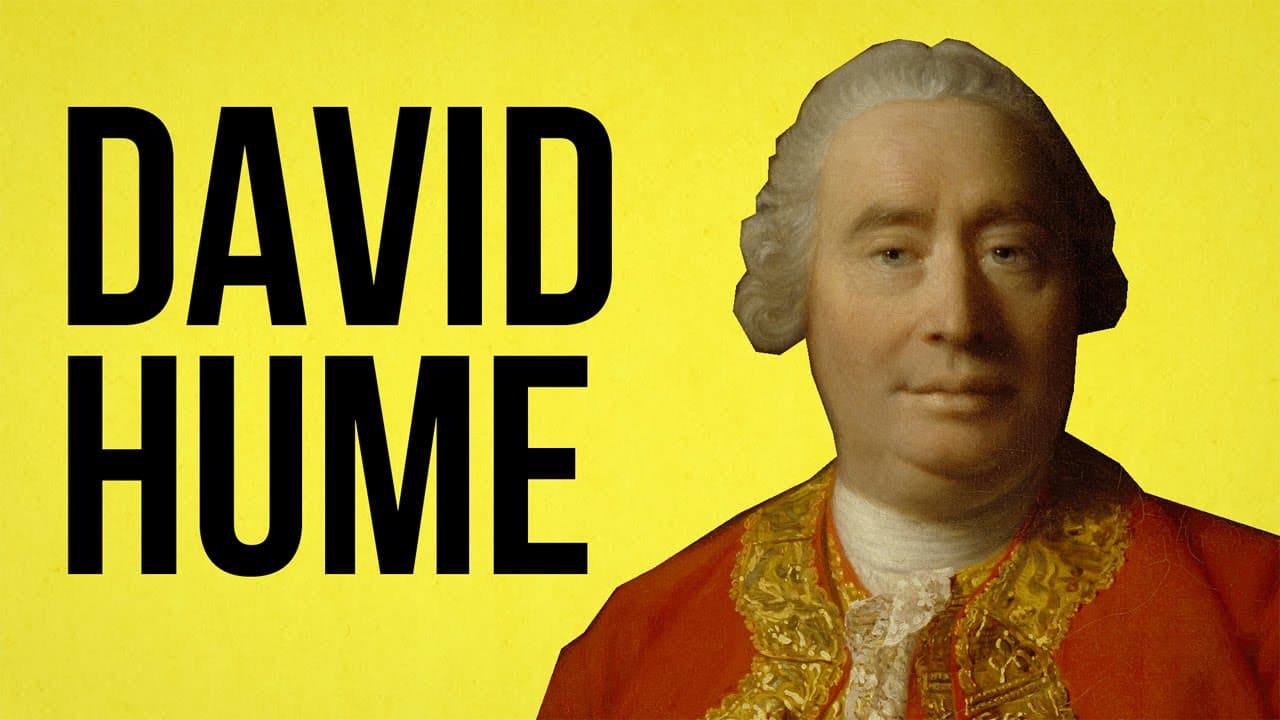
David Hume posits that feelings govern human nature more than reason, suggesting that understanding and embracing this can lead to a more fulfilling life. He advocates for emotional education to cultivate virtues and improve societal harmony, emphasising the significant role of public intellectuals in shaping ideas through empathy rather than logic.
Transcript
The 18th century writer, David Hume, is one of the world's great philosophical voices because he hit upon a key fact about human nature- that we are more influenced by our feelings than by reason. This is, at one level, possibly a great insult to our self image, but Hume thought that if we could learn to deal well with this surprising fact, we coul... Read More
Key Insights
- 🧠 Human nature is more influenced by feelings than reason, according to philosopher David Hume. He believed that recognizing and addressing this fact could lead to greater individual and collective contentment.
- 📚 Hume's initial attempts at becoming a public intellectual through writing were met with failure, but he persisted and eventually became a successful author of popular history books and essays.
- ❤️ Hume's philosophy emphasizes the importance of emotions and passions in decision-making. While reason plays a role, our feelings ultimately drive our actions and beliefs.
- 🌍 Hume believed that public intellectuals have a crucial role in society, as they can excite and educate through their ideas, wisdom, and insight. They must appeal to people's emotions and write in an accessible manner.
- 🙌 Hume's approach to changing beliefs focuses on adjusting sentiments through empathy, reassurance, good example, encouragement, and art. Attempting to persuade others through facts and logic should only come later.
- 🙏 Hume advocated for religious tolerance and believed that religious beliefs are not based on reason. He urged that beliefs should not be debated with well-honed arguments, but that individuals should be left to their own convictions.
- 🔍 Hume questioned the concept of personal identity and argued that our perception and emotions define us more than a stable and enduring core self.
- 💡 Hume valued common-sense beliefs that are practical and useful, rather than purely rational. He believed that many beliefs are justified by their utility in helping us navigate and succeed in the world.
Install to Summarize YouTube Videos and Get Transcripts
Explore YouTube Video Summarizer or Get YouTube Transcript Extractor
Questions & Answers
Q: Why did Hume consider feelings to be more influential than reason in human nature?
Hume believed that, while reason may play a role, our emotions have a greater impact on our decisions, personal relationships, and overall well-being. He argued that reason is often used to support our initial emotional responses rather than guiding them.
Q: How did Hume approach the concept of religion?
Hume did not think that religious beliefs were shaped by reason, therefore he rejected the idea of using logical arguments to persuade others to believe or disbelieve in God. Instead, he championed religious toleration and encouraged viewing religious disagreements as passionate and personal rather than rational disagreements.
Q: What role did Hume believe public intellectuals should play in society?
Hume saw public intellectuals as crucial in shaping public opinion and education. He believed that these figures should use their writing and speaking skills to engage people's emotions, encourage virtues, and inspire positive change.
Q: Why did Hume challenge the concept of personal identity?
Hume argued that we do not have a central, unchanging self. Instead, he believed that our individual identity is composed of various perceptions and emotions that constantly change. This challenged the traditional idea of a permanent "I" and emphasized the importance of our ever-evolving experiences and feelings.
Q: How did Hume redefine the concept of a good life?
Hume believed that being morally good was not simply about having rational moral ideas, but rather about cultivating good habits and emotions. He highlighted the significance of qualities like wit, sympathy, and good manners, as they contribute to being a pleasant and considerate individual in society.
Summary & Key Takeaways
-
David Hume, an 18th century writer, emphasized the influence of feelings on human nature more than reason, leading to a calmer and happier existence.
-
Hume's career as a public intellectual blossomed after several setbacks, as he focused on writing accessible books that resonated with a wide audience.
-
Hume believed in the importance of training emotions and promoting virtues through education and the influence of public intellectuals.
Read in Other Languages (beta)
Share This Summary 📚
Summarize YouTube Videos and Get Video Transcripts with 1-Click
Try YouTube Summary with ChatGPT & Claude or YouTube Transcript Generator