What Is EMDR Therapy and How Does It Help?
TL;DR
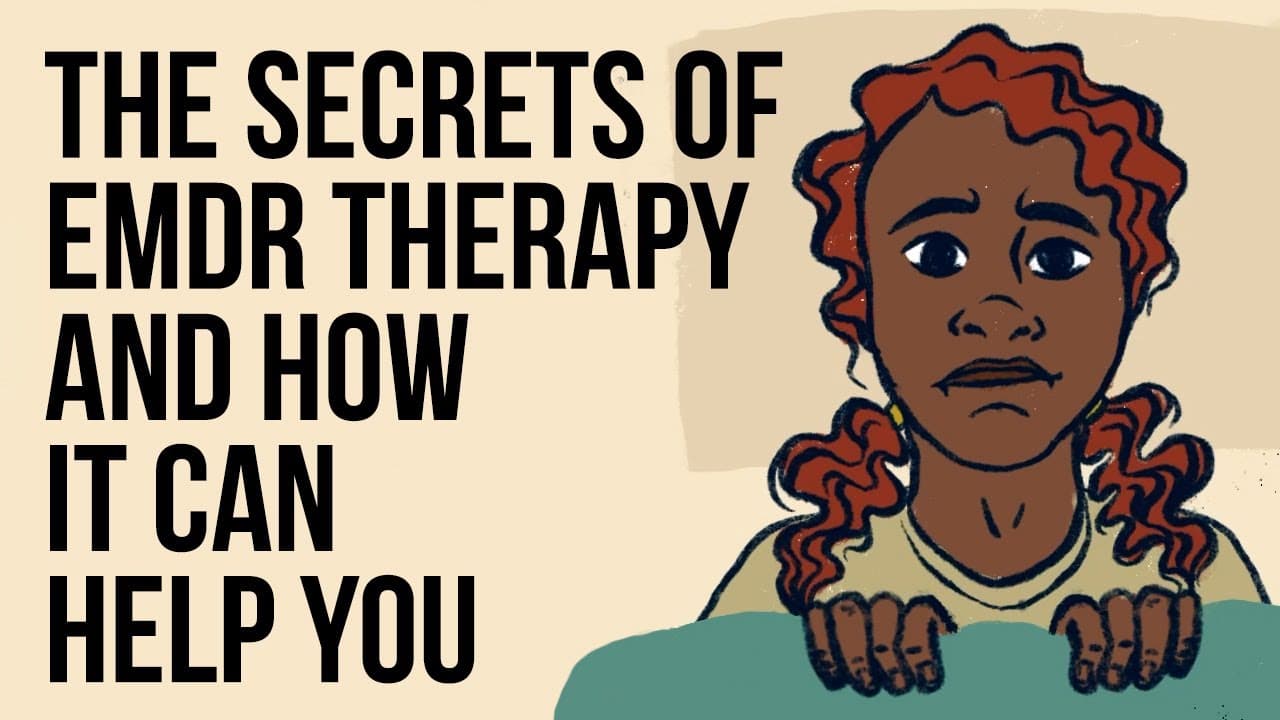
EMDR therapy, or Eye Movement Desensitisation and Reprocessing, aids in emotional healing by enabling individuals to revisit traumatic memories in a sensory-rich manner. This innovative approach encourages patients to engage with their past experiences more deeply, providing insights and facilitating recovery. By incorporating supportive figures into the process, EMDR promotes a redemptive perspective on childhood traumas.
Transcript
the fundamental idea behind psychotherapy is that we tend to grow mentally unwell because we haven't been able to think with sufficient clarity about the difficulties in our past typically in our distant childhoods damaging incidents have been locked away and continue to have an outsized impact on us but we have no way of going back over them in or... Read More
Key Insights
- 🍝 Understanding past traumas is crucial for mental well-being, facilitating a clearer path to healing by addressing concealed emotional wounds.
- 😑 Freud's innovative use of the couch in therapy sessions symbolizes a shift towards emotional expression rather than intellectual detachment during therapy.
- 🤑 EMDR therapy leverages movements to shift consciousness, allowing patients to access rich emotional memories they may struggle to recall otherwise.
- 💍 Engaging with childhood memories as narrative experiences fosters deeper emotional connections and insights, transforming the therapeutic process.
- 🆕 Including supportive figures in revisited memories provides a fresh and redemptive perspective, enabling emotional healing and closure.
- ❓ Historical methods in therapy, like Freud’s and Shapiro’s, demonstrate the evolution of psychological practices towards more experiential and integrative approaches.
- 🤑 The integration of sensory experiences enhances therapy by making memories more vivid, rich, and conducive to emotional processing and healing.
Install to Summarize YouTube Videos and Get Transcripts
Explore YouTube Video Summarizer or Get YouTube Transcript Extractor
Questions & Answers
Q: What is the fundamental concept of psychotherapy according to the content?
The fundamental idea behind psychotherapy is that mental unwellness often stems from unresolved past traumas, particularly those rooted in childhood. These incidents, if not adequately processed or understood, distort present emotions and behaviors. Psychotherapy seeks to bring these hidden issues to light, enabling individuals to confront and resolve them for improved mental health.
Q: How did Sigmund Freud innovate the therapeutic process in his practice?
Freud pioneered the method of free association, where patients lie on a couch and speak freely about their thoughts and memories. This relaxed position encouraged deeper emotional engagement with their past rather than superficial, intellectual accounts, leading to faster recovery and greater emotional clarity, transforming how therapy sessions are conducted worldwide.
Q: What is the role of EMDR therapy in addressing past traumas?
EMDR therapy, developed by Francine Shapiro, involves patients performing repetitive movements while recalling traumatic memories. This approach helps patients access emotional textures that may be otherwise buried, allowing them to experience these memories more vividly and work through their pain, ultimately fostering healing and resolution.
Q: How does Shapiro's work differentiate between storytelling methods in therapy?
Shapiro's research contrasts non-fiction essays, which present a summarized and analytical view of events, with novels that show scenes vividly through sensory experiences. She posits that therapy should encourage patients to engage with their past like novelists, allowing for a deeper emotional connection and richer understanding of their formative experiences.
Q: What strategies do EMDR therapists use to facilitate healing?
EMDR therapists encourage patients to revisit significant childhood events, often facilitating supportive figures from the present—like partners or wise mentors—to enter these memories and provide comfort or guidance. This method helps to alter the emotional context of these memories, allowing for a more redemptive and healing experience.
Q: Why is confronting childhood experiences essential in therapy?
Confronting childhood experiences is critical as they often shape an individual's current emotional state and coping mechanisms. By revisiting these memories with the support of therapy, individuals can confront their pain, understand its influence on their present selves, and ultimately find healing through integration and acceptance.
Summary & Key Takeaways
-
Psychotherapy addresses mental health issues rooted in unresolved childhood memories, encouraging individuals to relive their experiences rather than merely intellectualize them.
-
Sigmund Freud’s technique of free association laid the groundwork for modern therapy, allowing patients to access deeper emotions by relaxing on a couch.
-
EMDR therapy, developed by Francine Shapiro, combines repetitive movements with revisiting significant past events, facilitating emotional healing and richer self-understanding.
Read in Other Languages (beta)
Share This Summary 📚
Summarize YouTube Videos and Get Video Transcripts with 1-Click
Try YouTube Summary with ChatGPT & Claude or YouTube Transcript Generator