How Does a Luxury Doomsday Bunker Work?
TL;DR
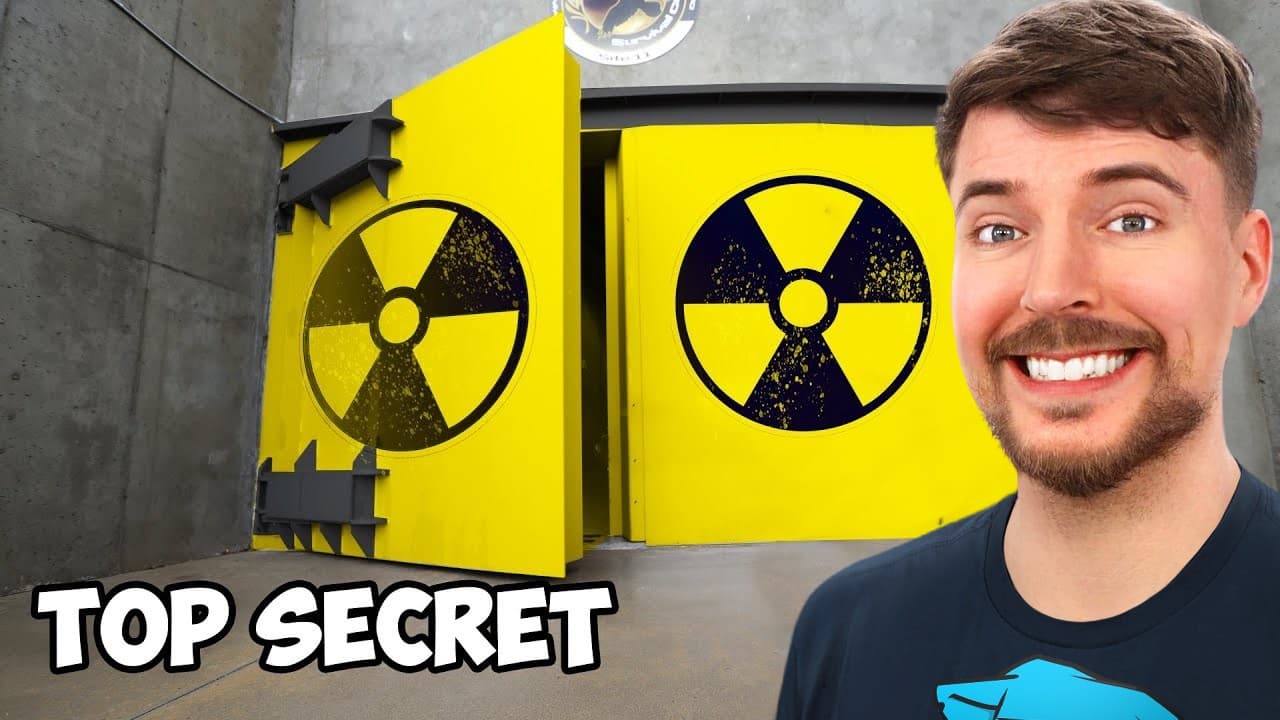
A converted missile silo provides secure underground shelter through thick doors, monitored spaces, protected residential floors, stored supplies, and a system that uses fish and plants to help produce food. During a 24-hour stay, the group explores its 14 stories, cooks bunker-grown ingredients, and uses amenities including a pool, theater, gym, sauna, library, classroom, and recreation areas.
Transcript
- Dozens of missile silos were built in the 1950s and they were made to withstand a nuclear strike. But after being abandoned in the sixties, this one has been transformed into a 14-story luxury underground bunker, complete with the pool, garden, movie theater, and so much more, with the purpose of giving people a cool place to stay if the world en... Read More
Key Insights
- The bunker is a converted missile silo built in the 1950s to withstand a nuclear strike, then abandoned in the sixties. It now serves as a 14-story underground facility intended to provide secure and comfortable shelter if the outside world becomes inaccessible.
- Entry security relies on several substantial barriers, including four doors shown during the group’s arrival. The first closing barrier weighs 16,000 pounds, and another steel-bolted vault door separates the entrance route from the bunker’s indoor swimming pool.
- The food-production system links fish and plants in a self-sustaining cycle. Fish waste helps grow the plants, while the plants help produce food for the fish, allowing residents to cultivate food when isolated from the outside world.
- The bunker contains stored food in addition to cultivated plants and fish. During the visit, the group finds packaged provisions, harvests fresh greens, and receives previously harvested tilapia that can be stored and cooked when residents need it.
- Surveillance is active throughout the facility, with the security area displaying activity captured by cameras. The monitoring system allows someone in the security room to observe occupants in locations such as the elevator and movie theater.
- Residential condos cost between one million and 2.5 million dollars, can support up to 10 people, and resemble ordinary homes. Floor number 11 costs 2.5 million dollars, while every residential floor is protected by nine-foot-thick walls.
- Long-term living is supported by amenities for health, education, and recreation. The facility includes a gym, sauna, school area, library, movie theater, pool, climbing wall, chessboard, ping-pong table, sick bay, and spaces for playing pool.
- The 24-hour stay demonstrates that the facility is designed to feel more like a residential complex than a basic shelter. The group swims, watches a movie, exercises, plays games, explores condos, and cooks fish with greens produced inside the bunker.
Install to Summarize YouTube Videos and Get Transcripts
Explore YouTube Video Summarizer or Get YouTube Transcript Extractor
Questions & Answers
Q: How does the underground bunker produce its own food?
The bunker combines fish farming and plant cultivation in a connected system. Waste produced by the fish is used to help grow the plants, and the plants help produce food for the fish. This arrangement is intended to support food production when residents cannot access the outside world. The facility also keeps stored provisions and previously harvested fish available for cooking.
Q: What security features protect the luxury doomsday bunker?
The bunker uses several heavy doors, thick structural walls, controlled access, and extensive surveillance. The group passes through four doors during entry, including a 16,000-pound door and a steel-bolted vault door. Residential floors have nine-foot-thick walls, while cameras monitor activity throughout the facility. A dedicated security room provides views of occupants moving through areas such as the elevator and theater.
Q: What amenities are inside the 14-story bunker?
The underground facility contains a swimming pool, garden, movie theater, gym, sauna, school area, library, climbing wall, ping-pong table, chessboard, and pool table. It also has residential condos, a security room, a sick bay, food storage, plant-growing areas, fish production, stairs, and an elevator connecting its 14 underground stories. These spaces support daily routines, recreation, education, and health.
Q: How much do the bunker condos cost?
Each condo costs between one million and 2.5 million dollars, according to the tour. Floor number 11 is specifically identified as costing 2.5 million dollars. The condos can support up to 10 people and include familiar household features such as beds, bunk beds, kitchens, and simulated windows that display views of the outside world on screens.
Q: Why does the bunker have a gym, sauna, and recreation areas?
The gym is intended to help residents stay fit if they remain underground for an extended period, with 10 years given as an example during the tour. The sauna, theater, pool, climbing wall, games, and library offer additional activities. Together, these spaces make prolonged shelter more comfortable by supporting exercise, relaxation, entertainment, reading, and social interaction.
Q: What food did the group prepare inside the bunker?
The group prepared a meal using greens and tilapia from the bunker. They cut fresh greens from the plant-growing area, washed and spun the lettuce, and cooked fish that had already been harvested and stored. The salad tasted excessively salty and caused a strong reaction, but the cooked tilapia was described as tasting amazing, making the fish the successful part of dinner.
Q: How is the outside world shown inside the bunker condos?
The residential area appears to have windows looking outside, but the apparent view is produced by a television screen rather than a real window. This feature helps the underground condo resemble a normal home despite its protected location. The residential floor also includes ordinary furnishings, comfortable beds, bunk beds, and a kitchen, reinforcing the impression of conventional domestic living.
Q: What happened during the group’s 24-hour bunker stay?
The group entered through several secure doors, explored the bunker’s 14 underground stories, swam in the pool, watched part of the Bee Movie, exercised, used the sauna, read, climbed, and played ping-pong, pool, and chess. They toured food-production and residential areas, prepared fish and salad, and used the security cameras to locate people in the facility.
Summary & Key Takeaways
-
An abandoned missile silo from the 1950s was converted into a 14-story luxury underground bunker designed to provide a comfortable place during a catastrophe. Entry requires passing several heavy barriers, including a 16,000-pound door and a steel-bolted vault door, while surveillance monitors activity throughout the secure facility.
-
The bunker combines survival infrastructure with residential and recreational spaces. Its food system uses fish waste to grow plants, while plants contribute food for the fish. Stored provisions supplement this production. Other areas include a sick bay, security room, school, library, theater, gym, sauna, swimming pool, climbing wall, and games.
-
The group spends 24 hours exploring the facility, playing pool and chess, exercising, reading, swimming, and preparing dinner. They harvest greens and cook previously harvested tilapia from the bunker, producing an overly salty salad but successful fish. Residential condos resemble ordinary homes despite being protected by nine-foot-thick walls.
Read in Other Languages (beta)
Share This Summary 📚
Summarize YouTube Videos and Get Video Transcripts with 1-Click
Try YouTube Summary with ChatGPT & Claude or YouTube Transcript Generator
Explore More Summaries from MrBeast 📚






Summarize YouTube Videos and Get Video Transcripts with 1-Click
Try YouTube Summary with ChatGPT & Claude or YouTube Transcript Generator