How to Build an X-ray Backscatter Imaging System
TL;DR
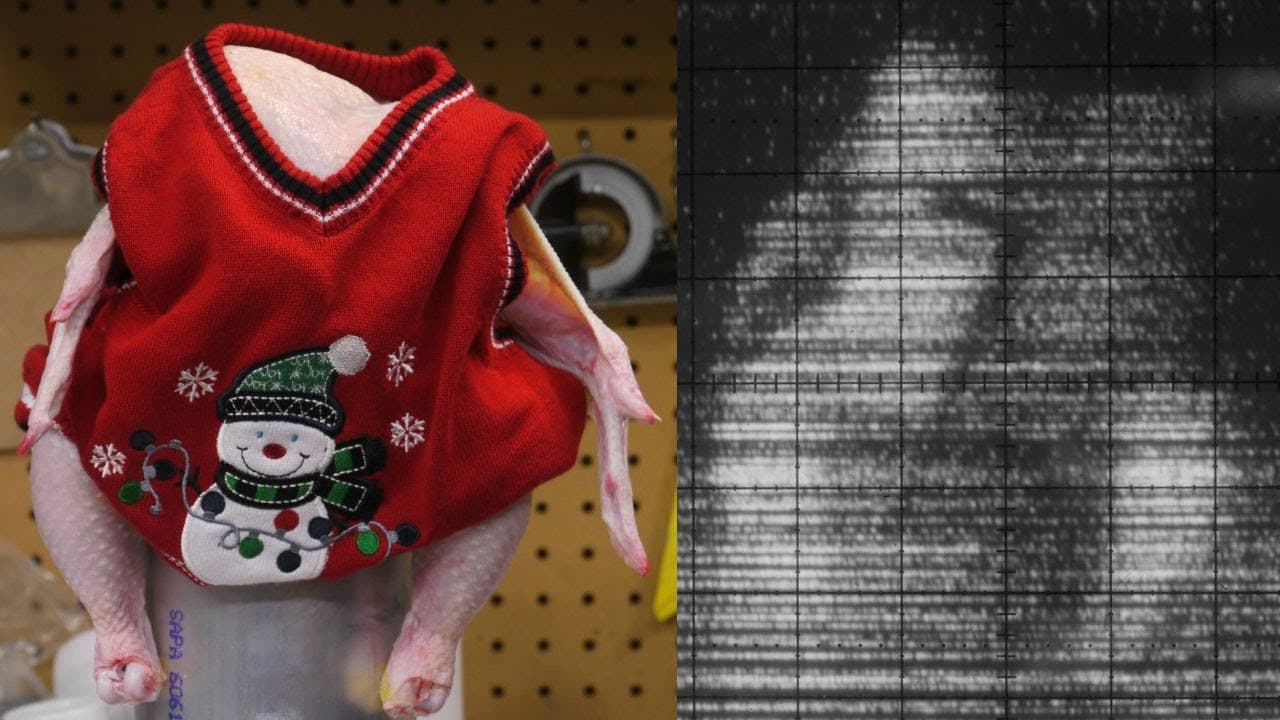
To build an X-ray backscatter imaging system, emit a thin beam of X-rays across the target object to capture backscattered reflections using a large detector. This setup mimics airport scanners, and precision machining is crucial for the rotating components. Future improvements could enhance scanning precision and field of view.
Transcript
turn to your left hold your hands above your head hold still for 10 seconds you just as I suspected trying to sneak an allen key through hey everyone I've been working on this project for a while this is a x-ray backscatter imaging system very popular in airports these days and this works on the principle that if you shoot x-rays at something some ... Read More
Key Insights
- 📤 X-ray backscatter imaging systems rely on scanning a thin beam of X-rays across an object to capture backscattered reflections, as they cannot be bent like light rays.
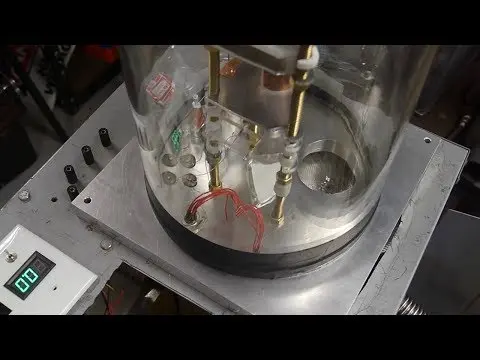
- 😁 The system includes a rotating wheel with slots to create a beam of X-rays, a large detector to catch backscattered reflections, and an oscilloscope for display.
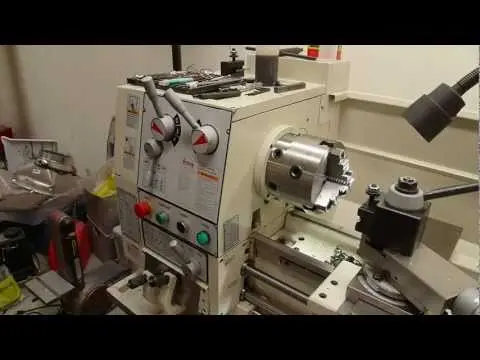
- 👷 Precision machining is essential for the construction of the system, with the wheel requiring taper and thrust bearings for smooth operation.
- 🫵 The system's field of view can be expanded by increasing the number of slots in the rotating wheel.
- 😁 The imaging system is comparable to airport scanners in terms of beam size, radiation dose, and scan speed.
- 🥳 Most of the parts for the system were acquired from online platforms such as eBay.
- 🫵 Future improvements to the system may involve worm gear-driven motion for precise scanning and wider field of view.
Install to Summarize YouTube Videos and Get Transcripts
Explore YouTube Video Summarizer or Get YouTube Transcript Extractor
Questions & Answers
Q: How does the X-ray backscatter imaging system work?
The system works by scanning a thin beam of X-rays across the object and capturing the backscattered reflections using a large detector. This allows the creation of an image.
Q: Why can't X-rays be bent like light rays?
X-rays cannot be bent like light rays because there is no material that can effectively bend X-rays. This is why the system uses scanning and backscattering techniques instead of lenses.
Q: How is the backscatter of X-rays detected?
The backscatter of X-rays is detected using a large detector, which consists of a phosphor screen that converts X-rays into a dim light source. This light is then collected by a photomultiplier tube, which acts as a sensitive photo detector.
Q: How is the imaging system controlled?
The imaging system is controlled by scanning the beam of X-rays across an oscilloscope screen using a rotating wheel. The position of the wheel is sensed using an opto sensor, ensuring the image aligns with the edges of the screen.
Summary & Key Takeaways
-
The video demonstrates the construction of an X-ray backscatter imaging system, which uses backscattered reflections to create images.
-
Unlike standard light-based cameras, X-rays cannot be bent using lenses, so the system scans a thin beam of X-rays across the object to be imaged.
-
The system includes a rotating wheel with slots to create a beam of X-rays, a large detector to catch backscattered reflections, and an oscilloscope to display the imaging results.
Read in Other Languages (beta)
Share This Summary 📚
Summarize YouTube Videos and Get Video Transcripts with 1-Click
Try YouTube Summary with ChatGPT & Claude or YouTube Transcript Generator
Explore More Summaries from Applied Science 📚



Summarize YouTube Videos and Get Video Transcripts with 1-Click
Try YouTube Summary with ChatGPT & Claude or YouTube Transcript Generator