Why Are Holy Land Christians Leaving Their Homes?
TL;DR
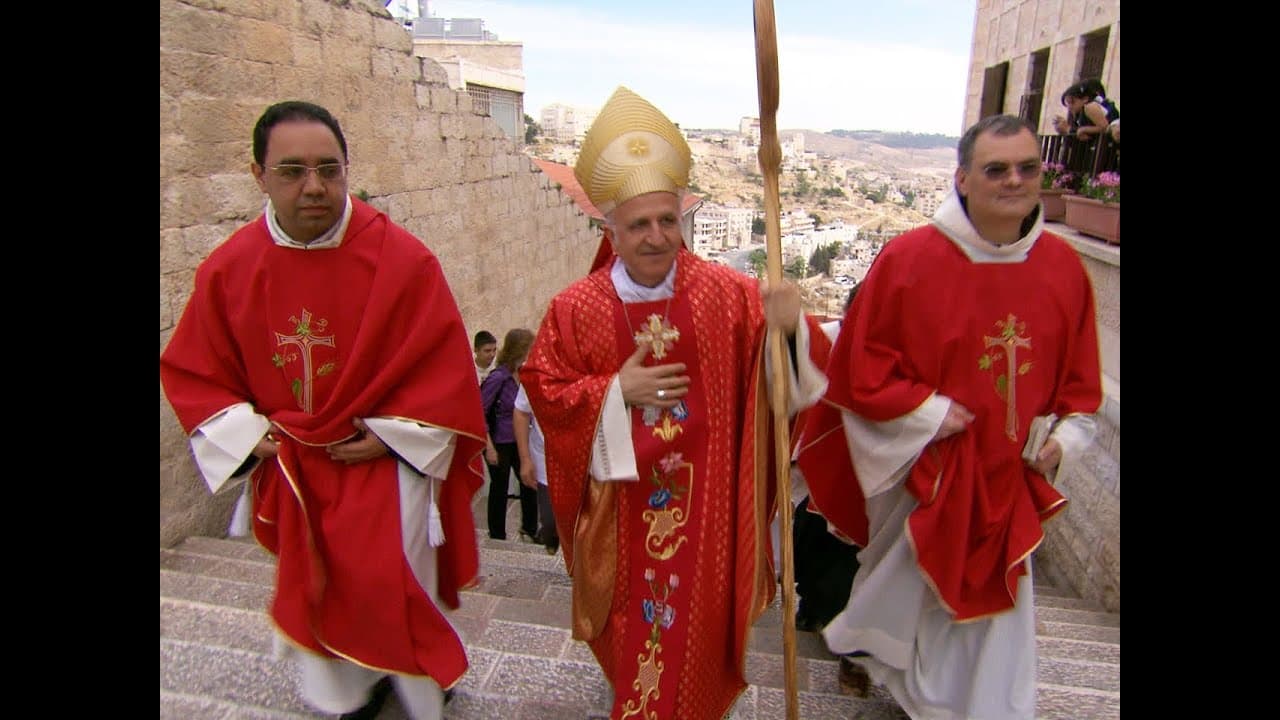
Palestinian Christians are leaving Jerusalem and Bethlehem as occupation-related restrictions, economic pressure, demographic change, and the broader Jewish-Muslim political conflict make daily life increasingly difficult. Christian leaders warn that without a resident community, sacred cities could become tourist and pilgrimage destinations disconnected from the local Christians who describe themselves as the faith's living stones.
Transcript
Christianity may have been born in the Middle East but Arab Christians have never had it easy there especially not today in Iraq and Egypt scores of churches have been attacked hundreds murdered in Syria Revolution seriously threatens Christian communities the one place where Christians are not suffering from violence is the holy land but Palestini... Read More
Key Insights
- Palestinian Christians are declining as a share of the Holy Land's population, falling to less than 2% overall. The report warns that continued emigration could leave Jerusalem and Bethlehem with holy sites and pilgrims but without substantial local Christian communities.
- Bethlehem's Christian population is now 18% of a town that was overwhelmingly Christian for centuries. Local clergy call resident Christians the living stones of the Holy Land and argue that Christianity's presence there depends on people remaining, not merely preserving churches.
- Jerusalem's Christian community has contracted from around 30,000 people in the Old City in 1964 to about 11,000 Christians among almost 800,000 residents. Religious leaders fear the city could become a museum or spiritual theme park primarily serving tourists and pilgrims.
- Israel's West Bank barrier was built to prevent Palestinian terrorists from entering Israel, and the report states that terrorism subsequently fell by 90%. Bethlehem residents also describe the barrier as enclosing their town, obstructing movement, and damaging formerly busy commercial streets.
- Palestinian movement from Bethlehem to Jerusalem requires passing through an Israeli checkpoint and first obtaining a permit. Residents say permits can take weeks or months and are often denied, limiting access to worship, doctors, employment, and family only seven miles away.
- The causes of Christian emigration are disputed between Israeli and Palestinian voices. Israel's ambassador attributes the principal pressure to Islamic extremism, while Palestinian interviewees reject that explanation and emphasize occupation, settlements, restricted movement, and the wider political conflict.
- Palestinian Christians are portrayed as caught between political Judaism and political Islam. Israeli columnist Ari Shavit describes them as collateral damage within a harsh and violent struggle, while acknowledging that Israel and others should be concerned about their declining presence.
- The 2009 Kairos document is a Christian appeal for nonviolent resistance to Israeli occupation. Endorsed by leaders from 13 denominations, it criticized Islamic extremism, called occupation a sin against God, and emphasized hope, love, and faith rather than violence or revenge.
Install to Summarize YouTube Videos and Get Transcripts
Explore YouTube Video Summarizer or Get YouTube Transcript Extractor
Questions & Answers
Q: Why are Palestinian Christians leaving the Holy Land?
Palestinian Christians are leaving amid several pressures described in the report, including Israeli occupation, settlement growth, movement restrictions, economic isolation, and demographic change in towns such as Bethlehem. Some Israeli officials identify Islamic extremism as the primary cause, but Palestinian interviewees dispute that explanation. The report presents the exodus as part of a wider political conflict in which Christians are squeezed between Jewish and Muslim forces.
Q: How many Christians remain in Jerusalem and Bethlehem?
The report says Jerusalem has about 11,000 Christians within a population of almost 800,000, placing their share at roughly 1.5%. Patriarch Theophilus III recalls around 30,000 Christians living in the Old City when he arrived in 1964. In Bethlehem, Christians now constitute 18% of the population, despite the town having been overwhelmingly Christian for centuries.
Q: How does the West Bank barrier affect Bethlehem's Christians?
The barrier separates Israel from the occupied West Bank and, according to the report, completely surrounds Bethlehem. Residents describe Bethlehem as an open-air prison and say the wall has isolated homes, obstructed travel, and turned a formerly busy commercial street into a dead end. The Anastas family's house is surrounded on three sides, while their souvenir business has lost passing customers.
Q: Why did Israel build the barrier around the West Bank?
Israel built the barrier to stop Palestinian terrorists from entering the country, and the report states that terrorism fell by 90% after its construction. Israeli representatives frame checkpoints and other security precautions as necessary for national survival. Palestinian Christians acknowledge the security rationale but emphasize that the same system imposes severe restrictions on their travel, employment, worship, family contact, health care, and commerce.
Q: How do permits and checkpoints restrict Palestinian Christians?
Traveling from Bethlehem to Jerusalem, although the cities are only seven miles apart, requires Palestinians to obtain an Israeli permit and pass through a checkpoint. The report says permits can take weeks or months to secure and are frequently denied. Even after approval, checkpoint passage can take hours, affecting trips for prayer, medical care, work, and visits with family members.
Q: What is the Palestinian Christian Kairos document?
The Kairos document was published in 2009 by Christian activists and endorsed by leaders of 13 denominations, including Greek Orthodox, Roman Catholic, Lutheran, and Anglican churches. It criticized Islamic extremism, advocated nonviolent resistance, and described Israeli occupation as a sin against God. Reverend Mitri Raheb says its central message calls for hope, love, and faith rather than violence or revenge.
Q: Why do Christian leaders fear Jerusalem could become a museum?
Christian leaders fear that continued emigration will leave Jerusalem's sacred churches intact while eliminating the resident Christian community that sustains daily religious and cultural life. The city could then function mainly as a museum, tourist attraction, or spiritual theme park for visiting pilgrims. Their concern is not whether pilgrimage will continue, but whether Christians from the surrounding community will still participate in its traditions.
Q: What disagreement surrounds the causes of Christian emigration?
Israeli ambassador Michael Oren argues that Islamic extremism, rather than Israeli occupation, creates the greatest pressure on West Bank Christians. Palestinian businessman Zahi Khouri says he has never heard anyone among his 12,000 customers claim to be leaving because of Islamic persecution. Other interviewees describe Christians as caught between political Judaism and political Islam, with occupation policies adding substantial pressure.
Summary & Key Takeaways
-
Palestinian Christian communities in Jerusalem and Bethlehem have declined sharply, raising fears that Christianity's sacred cities could lose their local Christian presence. Christians constitute less than 2% of the Holy Land's population, while Bethlehem's Christian share has fallen to 18% and Jerusalem has about 11,000 Christians among almost 800,000 residents.
-
Israeli officials argue that security measures, including the West Bank wall and permit system, protect the country from terrorism, which the report says declined by 90%. Palestinian Christians describe those same policies as barriers to employment, worship, health care, family visits, commerce, and movement between Bethlehem and Jerusalem, only seven miles apart.
-
Christian leaders and activists advocate remaining in the Holy Land and resisting occupation without violence or revenge. Their 2009 Kairos document criticized Islamic extremism, called the Israeli occupation a sin against God, and appealed for hope, love, and faith. The report concludes that preserving local Christianity has become a political question.
Read in Other Languages (beta)
Share This Summary 📚
Summarize YouTube Videos and Get Video Transcripts with 1-Click
Try YouTube Summary with ChatGPT & Claude or YouTube Transcript Generator
Explore More Summaries from CBS News 📚


Summarize YouTube Videos and Get Video Transcripts with 1-Click
Try YouTube Summary with ChatGPT & Claude or YouTube Transcript Generator