Why Are ADHD Diagnoses Increasing So Rapidly?
TL;DR
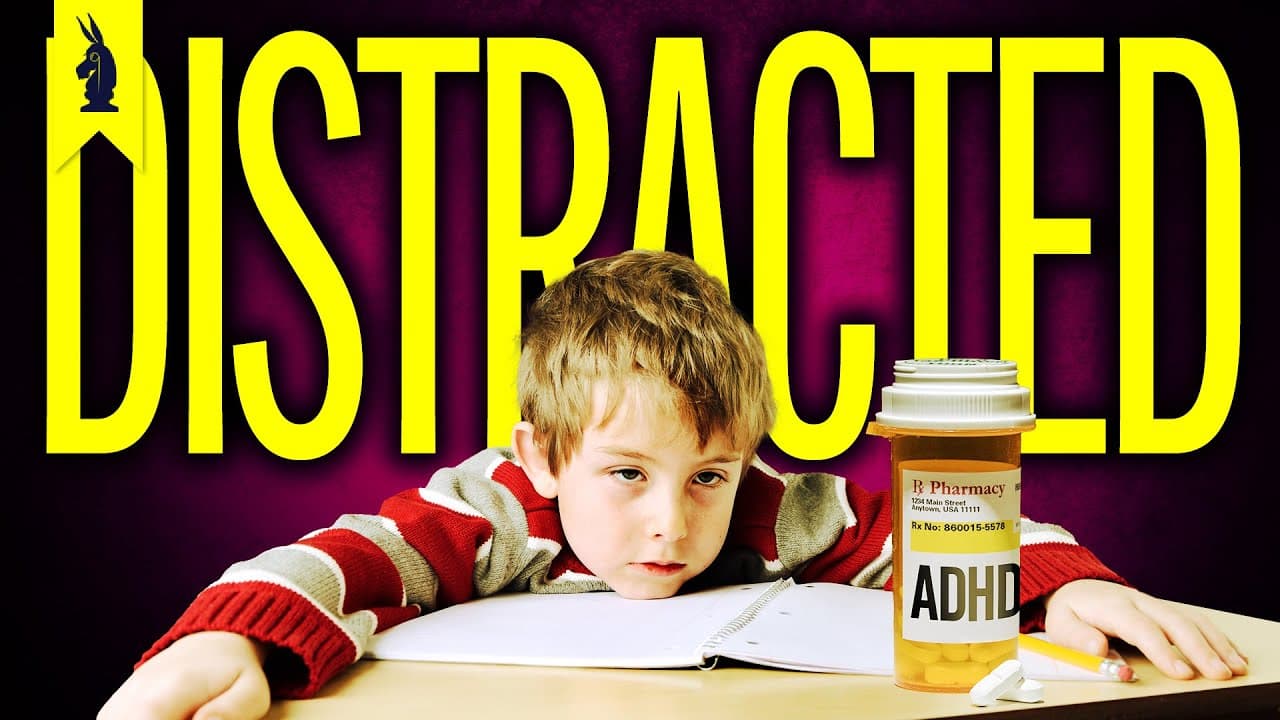
ADHD diagnoses have surged, particularly during the pandemic, fueled by societal pressures and the rise of the attention economy. This trend reflects broader cultural expectations for productivity and self-regulation, leading many to self-diagnose and seek treatment for perceived inadequacies rooted in an intensely competitive environment.
Transcript
this video is brought to you by better help so I've noticed recently that we're getting comments on videos and our streams that say things like does Michael have ADHD or damn dude this is way too ADHD for me to watch and you know what they're not really wrong because if you've ever watched me go on an unhinged rant during a video or tuned in for on... Read More
Key Insights
- 🪩 ADHD has surged in diagnoses, particularly during the pandemic, mirroring greater societal expectations for productivity.
- 🧑⚕️ The pharmaceutical industry significantly influences both perceptions of ADHD and available treatments, highlighting a commercial aspect to mental health.
- 🥺 The concept of biomedicalization illustrates how societal pressures lead individuals to self-diagnose and seek medication for perceived inadequacies.
- ❓ Many modern distractions stem from the demands of the attention economy, complicating the relationship between genuine ADHD symptoms and environmental stressors.
- 🤳 Self-regulation and constant performance pressures create an environment where mental health issues become less about illness and more about societal standards.
- 😷 Historical views of ADHD have transitioned from moral failings to medical diagnoses, demonstrating evolving societal attitudes toward mental health.
- ❓ The casual labeling of ADHD can undermine the authenticity of those genuinely afflicted and highlights cultural misunderstandings.
Install to Summarize YouTube Videos and Get Transcripts
Explore YouTube Video Summarizer or Get YouTube Transcript Extractor
Questions & Answers
Q: What societal changes contribute to the increase in ADHD diagnoses?
The rise in ADHD diagnoses can be attributed to a cultural shift towards biomedicalization and the increasing pressures of an achievement society. Educational and workplace demands for constant productivity can exacerbate attention issues, leading to a heightened awareness and diagnosis of ADHD symptoms.
Q: How has the pharmaceutical industry influenced ADHD treatment?
The pharmaceutical industry plays a significant role in ADHD treatment through heavy marketing and the availability of medication like stimulants. The growth of ADHD diagnoses correlates with increased medication prescriptions, suggesting a profitable relationship where symptoms are treated medically rather than culturally.
Q: What does the term "attention economy" mean in this context?
The "attention economy" describes a shift in value towards capturing and maintaining consumers' attention, driven by social media and digital platforms. This environment can exacerbate ADHD-like symptoms, making individuals feel more scatterbrained and pressured to diagnose and medicate themselves.
Q: Why do some people mislabel themselves as having ADHD?
Many individuals casually use ADHD to describe regular distractions or quirks due to societal normalization of the condition. This can minimize the experiences of those who genuinely struggle with ADHD, leading to misunderstandings about the disorder and its implications on functioning.
Q: What historical context is provided about ADHD diagnosis?
The video explains that ADHD has been recognized since the early 20th century, evolving from views of moral failings to a medicalized condition. This transition exemplifies broader societal changes in how mental health is perceived and treated throughout history.
Q: How does the concept of self-regulation relate to ADHD?
Self-regulation becomes a primary focus in managing ADHD, especially in a culture where individuals are encouraged to optimize their productivity. This expectation leads to self-diagnosis and increased reliance on medication as people aim to align with societal performance standards.
Q: Can ADHD be seen as a valuable trait in certain contexts?
Some theories suggest that traits associated with ADHD, such as impulsivity and hyperfocus, may have advantages in specific environments, historically linked to survival. This perspective challenges the notion of ADHD solely as a deficit and calls for a broader understanding of varied cognitive profiles.
Q: What implications does the ADHD conversation have on mental health treatment?
The increased dialogue around ADHD raises questions about mental health treatment approaches, particularly considering if individuals seek help purely to meet societal productivity standards or if there are legitimate health concerns driving treatment needs.
Summary & Key Takeaways
-
The video discusses the skyrocketing ADHD diagnoses, particularly during the pandemic, and how ADHD has become a catch-all term for various behaviors and challenges.
-
It explores the societal shifts towards biomedicalization, where individuals self-regulate their health through medication and self-diagnosis, emphasizing the effects of cultural expectations.
-
The presenter reflects on the relationship between productivity demands, the attention economy, and the rising prevalence of ADHD, questioning how much of this is a genuine medical issue versus a societal construct.
Read in Other Languages (beta)
Share This Summary 📚
Summarize YouTube Videos and Get Video Transcripts with 1-Click
Try YouTube Summary with ChatGPT & Claude or YouTube Transcript Generator