What Is the Global Currency Reset?
TL;DR
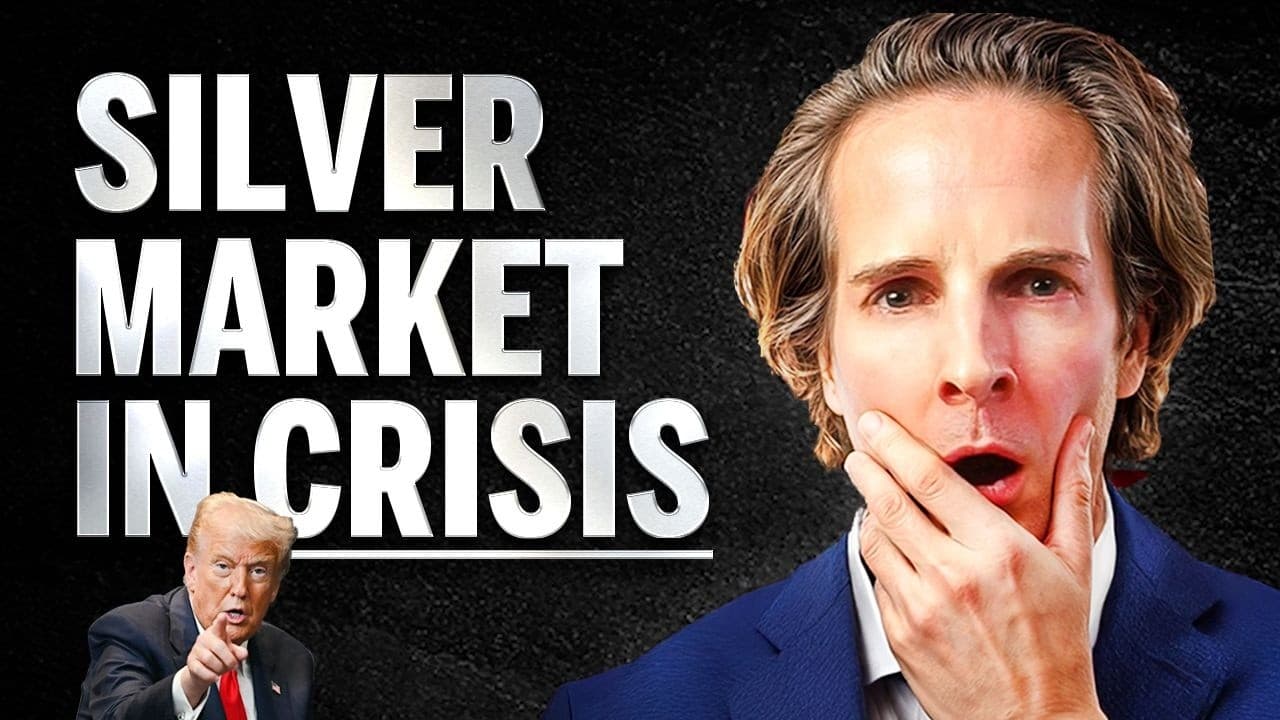
A global currency reset is described as a gradual transition from US-dollar dominance toward a multi-currency system supported by gold and alternative trade arrangements. The speaker points to central-bank gold purchases, Basel III’s treatment of gold as a tier-one asset, and the planned 2026 BRICS currency called the Unit. Read on to understand the claimed roles of gold, silver, banking rules, and reserve diversification in this monetary shift.
Transcript
If you own silver or gold or any US dollar asset, including stocks, what's happening right now could multiply your wealth by like 10x or leave you completely unprepared for the biggest monetary shift in 50 years. While everyone was watching the silver crash, central banks were quietly preparing for a global currency reset. And I'm not talking about... Read More
Key Insights
- Central banks are aggressively buying gold, signaling a move away from the US dollar as the dominant reserve currency.
- The BRICS nations plan to launch a gold-backed currency, challenging the current US dollar-centric system.
- Basel III regulations have reclassified gold as a tier one asset, making it equivalent to cash and government bonds.
- The US has delayed Basel III implementation until 2028, potentially to avoid disruptions in the paper gold market.
- Silver prices are suppressed to prevent signaling instability in the currency system, despite strong physical demand.
- Countries are repatriating gold reserves and entering trade agreements that bypass the US dollar, reducing its global influence.
- The global monetary system is transitioning towards a multi-currency framework, reducing reliance on a single reserve currency.
- Investors should consider diversifying into high-quality assets, including precious metals, to hedge against inflation and currency risk.
Install to Summarize YouTube Videos and Get Transcripts
Explore YouTube Video Summarizer or Get YouTube Transcript Extractor
Questions & Answers
Q: What is a global currency reset?
It is described as a gradual change in the global monetary system rather than a single overnight event. The shift would reduce reliance on the US dollar as the sole dominant reserve currency while countries diversify reserves, accumulate gold, and use alternative currencies and payment arrangements.
Q: Why are central banks buying gold?
The speaker says central banks are preparing for a world in which the US dollar is no longer the sole dominant reserve currency. China, Russia, India, Poland, Hungary, Singapore, and Turkey are named among the countries adding gold to their reserves.
Q: How much gold are central banks buying?
The transcript describes central-bank purchases at about 1,000 tons per year, calling this the highest level of buying in modern history. It compares the pace with 1967, during the final years of the Bretton Woods system.
Q: What is the BRICS gold-based currency called, and when is it expected?
The speaker calls the planned BRICS gold-based currency the Unit and says it is launching in 2026. It is presented as part of a broader effort to reduce dependence on the US-dollar-centered system.
Q: How does Basel III change gold’s status?
The existing page identifies Basel III as reclassifying gold as a tier-one asset, placing it alongside cash and government bonds as a high-quality asset. The page also says the United States delayed implementation until 2028.
Q: Why does the speaker say silver is being suppressed?
The speaker argues that a sharp rise in silver would signal currency-system instability to regular investors because silver is widely held by retail participants and is more volatile than gold. The transcript also describes a 10% silver crash after the CME raised margin requirements.
Q: Why is gold rising while silver is more constrained?
The speaker says gold’s rise strengthens the reserves of central banks, institutions, and governments that hold it. By contrast, silver is characterized as a more explosive retail asset whose rapid appreciation could draw broad attention to problems in the currency system.
Q: How does the page suggest investors prepare for a global currency reset?
The page advises considering diversification into high-quality assets, including gold and silver, as protection against inflation and currency devaluation. It frames preparation as understanding the transition away from reliance on a single reserve currency and assessing exposure to US-dollar assets.
Summary & Key Takeaways
-
Central banks are buying gold to prepare for a shift away from the US dollar as the global reserve currency. This move is part of a broader transition involving the BRICS nations' plans for a gold-backed currency and changes in banking regulations under Basel III. Investors are advised to consider high-quality assets, including gold and silver, to protect against potential currency devaluation.
-
Basel III regulations have reclassified gold as a tier one asset, making it equivalent to cash and government bonds. The US has delayed implementing these regulations until 2028, potentially to avoid disruptions in the paper gold market. Meanwhile, countries are repatriating gold reserves and entering trade agreements that bypass the US dollar, reducing its global influence.
-
Silver prices are being suppressed to prevent signaling instability in the currency system, despite strong physical demand. The global monetary system is transitioning towards a multi-currency framework, reducing reliance on a single reserve currency. Investors should consider diversifying into high-quality assets, including precious metals, to hedge against inflation and currency risk.
Read in Other Languages (beta)
Share This Summary 📚
Summarize YouTube Videos and Get Video Transcripts with 1-Click
Try YouTube Summary with ChatGPT & Claude or YouTube Transcript Generator
Explore More Summaries from Felix & Friends (Goat Academy) 📚




Summarize YouTube Videos and Get Video Transcripts with 1-Click
Try YouTube Summary with ChatGPT & Claude or YouTube Transcript Generator