The Stories Behind Charlie Phillips' Photography
TL;DR
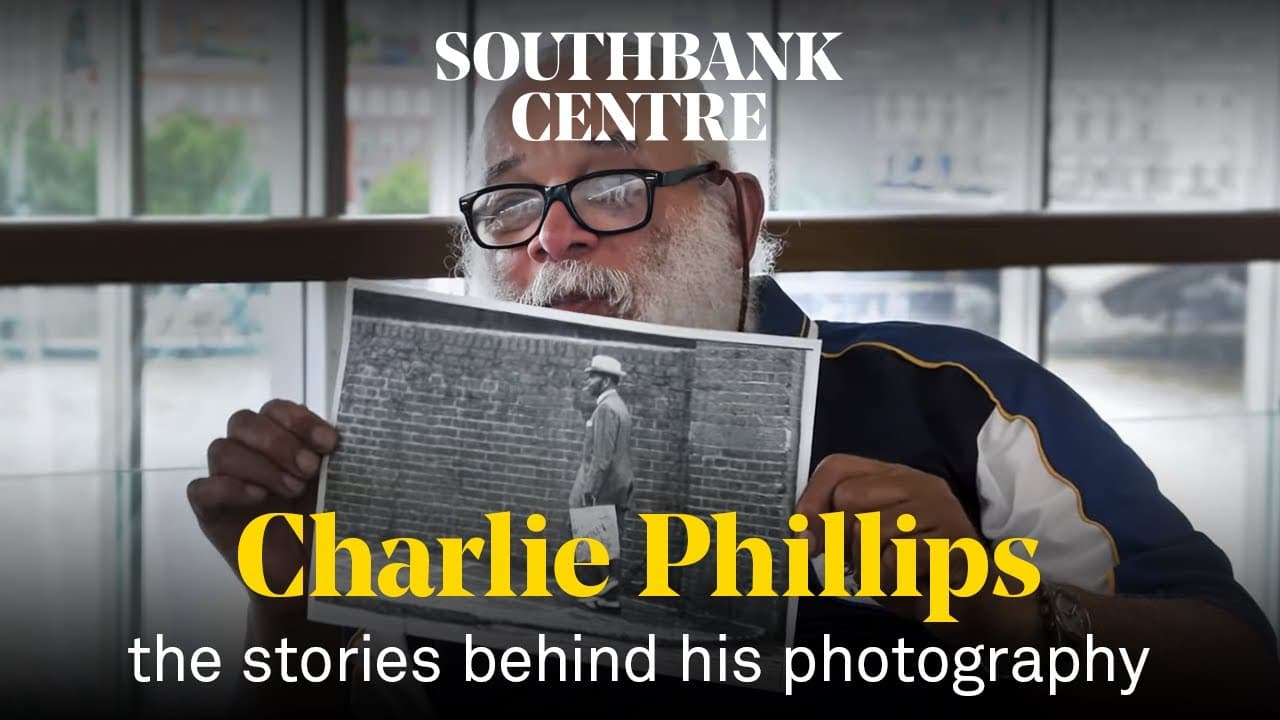
Charlie Phillips’ photography preserves more than 50 years of Afro-Caribbean life that he says mainstream history left out. After arriving in England on August 18, 1956, he taught himself photography from a Boots book and documented community life, housing discrimination, fashion, funerals, and an early street carnival. Read on to discover the personal stories and historical purpose behind his archive.
Transcript
my name is charlie phillips i've been recognized as a uh archivist which i've over the last 50 years have documented our life from an afro-caribbean point of view which has been left out of the mainstream history but now we're coming up to the seventh generation i'm so glad that um this generation has found a lot of interest in my work you know i'm... Read More
Key Insights
- ❓ Phillips' photographs depict the contributions and struggles of the Windrush generation.
- 🤳 He started as an amateur photographer and self-taught through books, without formal training.
- 💦 Phillips' work showcases the beauty, culture, and history of Afro-Caribbean life in the UK.
- 😌 The significance of Phillips' photography lies in filling the historical gap of Afro-Caribbean experiences in the UK.
- ❓ Eddie Ocheer emphasizes how Phillips' photographs portray a compelling narrative of community unity and history.
- 💦 The archive project highlights the importance of preserving and digitizing Phillips' work for future generations.
- 💦 Phillips' work aims to correct the historical narrative and provide a platform for the untold stories of the Afro-Caribbean community in the UK.
Install to Summarize YouTube Videos and Get Transcripts
Explore YouTube Video Summarizer or Get YouTube Transcript Extractor
Questions & Answers
Q: Why is Charlie Phillips’ photography historically significant?
Phillips documented more than 50 years of life from an Afro-Caribbean point of view that he says was left out of mainstream history. His photographs preserve community experiences ranging from fashion and housing struggles to funerals and street celebrations.
Q: How did Charlie Phillips become a photographer?
Phillips began experimenting with a camera that an American GI sold to his father for 15 shillings after becoming too drunk to return to his base. He then taught himself using Johnson’s Do-It-Yourself Photography, a book from Boots that cost three shillings and sixpence.
Q: When did Charlie Phillips arrive in England?
Phillips says he arrived in Liverpool at 3:30 on August 18, 1956. He had come from the West Indies and later photographed Afro-Caribbean life in England.
Q: What does Charlie Phillips’ work reveal about the Windrush generation?
His photographs show people who arrived well dressed and brought styles such as the zoot suit. Phillips also explains that many skilled and talented arrivals had to accept menial jobs despite their abilities.
Q: What housing conditions did Afro-Caribbean families face in England?
Phillips recalls signs saying “no blacks, no Irish” and says newcomers had to fend for themselves because no provision had been made for them. Accommodation was often overcrowded, and his family of four lived in one room.
Q: What parts of community life did Charlie Phillips photograph?
Phillips photographed people week after week in the streets and documented subjects others had overlooked. Eddie Ocheer says Phillips was the only person photographing Afro-Caribbean funerals in West London from the 1950s, and Phillips also captured an early street carnival around 1965–60.
Q: Why does Charlie Phillips prefer film photography?
Phillips says he has a personal obsession with film because the romance of photography comes from it. His early practice included a Kodak Retina, described as a simple starter camera with a beautiful viewfinder.
Q: Who is Eddie Ocheer, and what is his role in Charlie Phillips’ archive?
Eddie Ocheer identifies himself as a photographer, curator, and educator who had been Phillips’ archivist for about a decade. He recorded the materials on Phillips’ walls and listened as Phillips explained how he had lived his life through photography.
Summary & Key Takeaways
-
Charlie Phillips, an archivist, photographer, and master chef, chronicles Afro-Caribbean life in the UK for over 50 years.
-
His photographs reflect the style, contribution, and struggles of the Windrush generation.
-
Eddie Ocheer, his archivist, highlights the significance of Phillips' work as a community documentarian.
Read in Other Languages (beta)
Share This Summary 📚
Summarize YouTube Videos and Get Video Transcripts with 1-Click
Try YouTube Summary with ChatGPT & Claude or YouTube Transcript Generator
Explore More Summaries from Southbank Centre 📚



Summarize YouTube Videos and Get Video Transcripts with 1-Click
Try YouTube Summary with ChatGPT & Claude or YouTube Transcript Generator