Why Does Calorie Counting Fail for Weight Loss?
TL;DR
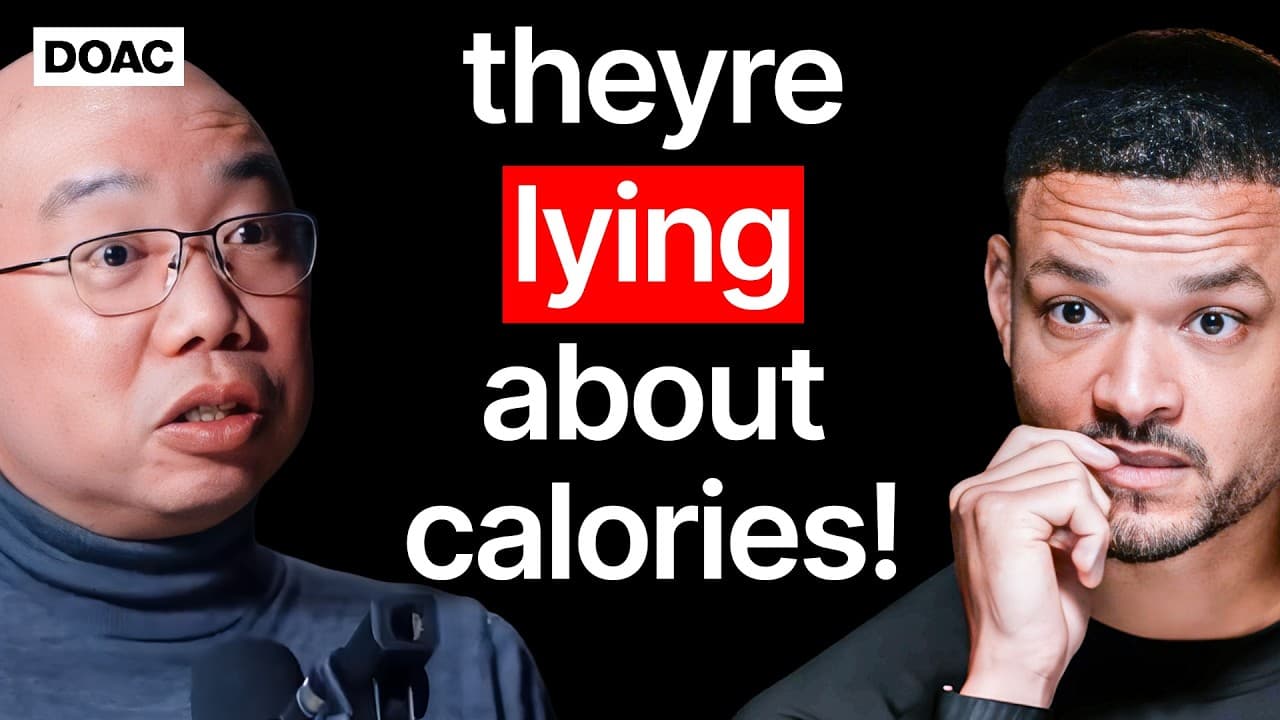
Calorie counting often fails for weight loss because it doesn’t consider the quality of food, leading to unsustainable eating habits. Additionally, our brains resist weight loss, perceiving a decrease in body weight as a survival threat, which contributes to weight regain after dieting. Focusing on individual dietary quality and finding a sustainable eating plan is crucial for effective weight management.
Transcript
do we get fatter with age yes between 20 and 50 years old the average person will gain about 15 kilos in weight I don't want to be that guy what can I do okay so Dr Giles yo he's the world leading expert on fat and how to burn it his book is called why calories don't count what you eat does matter let's talk about how we fix the Obesity how we burn... Read More
Key Insights
- 🔬 The average person will gain about 15 kilos in weight between the ages of 20 and 50. Calorie counting is not an accurate way to track weight loss or gain as the calorie count does not indicate the quality of the food.
- 💪 Veganism is often seen as a privileged diet, but it is not necessary for everyone to be vegan for sustainable weight loss. The key is finding the right diet that works for each individual.
- 😔 Our brains are wired to resist weight loss, as it perceives a reduction in weight as a threat to survival. This is why weight often comes back on after a diet is stopped.
- 🥗 Eating food in its raw form may have lower calorie counts compared to cooking it, as cooking releases more calories.
- 🍳 Front-loading your food intake by having a big breakfast and smaller dinner may help with weight loss, as it keeps you fuller throughout the day.
- 📉 BMI (Body Mass Index) is a useful tool on a population level but may not be accurate on an individual level, as people have different body shapes and genetic factors that affect weight.
- 🧪 Genes play a role in how our bodies respond to food, such as the "obese gene" and the "mc4r gene" which impact body weight.
- 🌍 Obesity is an urgent global issue, as it is linked to various diseases and has a significant economic impact.
- 📊 Caloric availability is more important to consider than just the calorie count, as different foods have different levels of caloric absorption and utilization in the body. It's important to focus on the quality of food rather than just the numbers.
- 🌽 Gluten intolerance is relatively rare, affecting only 1-4% of the population. The rise in popularity of gluten-free products has led to misconceptions and false beliefs about gluten intolerance.
Install to Summarize YouTube Videos and Get Transcripts
Explore YouTube Video Summarizer or Get YouTube Transcript Extractor
Questions & Answers
Q: Does calorie counting really work for weight loss?
While calorie counting may help some people lose weight in the short term, it doesn't take into account the quality of food and can lead to unsustainable eating habits.
Q: What role does genetics play in our weight and relationship with food?
Genetics can influence factors such as body shape, fat distribution, and even our responsiveness to different diets. Understanding our genetic predispositions can help inform personalized diet and fitness plans.
Q: Is the keto diet effective for weight loss?
The keto diet can lead to initial weight loss due to calorie restriction, but its extreme nature and potential long-term health risks make it unsustainable and less suitable for overall health.
Q: How can we achieve sustainable weight loss?
Dr. Yeo suggests focusing on the quality of food and finding a diet that works for each individual's preferences and lifestyle. This may involve incorporating more protein and fiber, and reducing highly processed foods and added sugars.
Q: Is there a correct way to time our meals for weight loss?
While some studies suggest that front-loading calories earlier in the day may reduce hunger throughout the day, the overall impact on weight loss is determined by the total calorie intake. Individual preferences, routines, and health conditions should also be considered.
Q: What is the impact of gluten on our health?
Gluten intolerance and celiac disease affect a small percentage of the population. While gluten-free diets are important for those individuals, it is not necessary or beneficial for most people to avoid gluten.
Q: Why is obesity considered an emergency?
Obesity is a significant health issue associated with various diseases and significant healthcare costs. Addressing obesity is crucial to prevent serious health complications and improve overall well-being.
Q: Should we prioritize counting calories or focus on the quality of food?
Dr. Yeo emphasizes the importance of considering the quality of food rather than solely relying on calorie counting. A balanced diet that includes nutrient-dense foods is more beneficial for long-term health and sustainable weight management.
Summary & Key Takeaways
-
Dr. Giles Yeo, an expert on fat and weight loss, shares insights from his research and experience.
-
He explains the flaws in calorie counting and the importance of considering the quality of food.
-
Dr. Yeo explores the impact of genetics on our relationship with food and discusses the challenges of sustainable weight loss.
Read in Other Languages (beta)
Share This Summary 📚
Summarize YouTube Videos and Get Video Transcripts with 1-Click
Try YouTube Summary with ChatGPT & Claude or YouTube Transcript Generator
Explore More Summaries from The Diary Of A CEO 📚





Summarize YouTube Videos and Get Video Transcripts with 1-Click
Try YouTube Summary with ChatGPT & Claude or YouTube Transcript Generator