How to Survive Seven Days Stranded in the Arctic
TL;DR
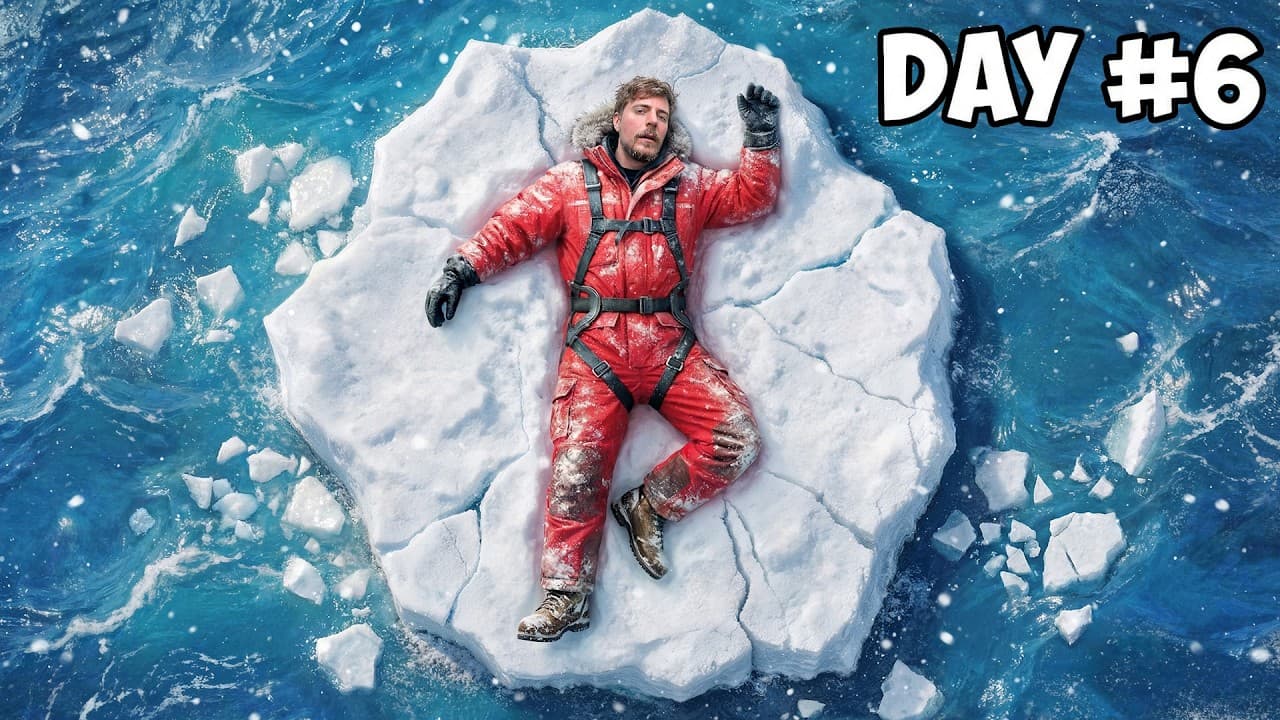
Build a wind-blocking snow shelter and start a fire before sunset, because warmth and protection become urgent once Arctic night arrives. The six-person group dug a cramped snow fort, gathered dead wood, melted snow for drinking water, and endured a freezing first night, while a daily plane and flare offered anyone the option to leave.
Transcript
We are now stranded in the Arctic for the next SEVEN DAYS! We are now stranded in the Arctic for the next SEVEN DAYS! All we have to survive out here is what is currently on our backs. All we have to survive out here is what is currently on our backs. Oh, ooh, OOH!! ... Read More
Key Insights
- The group's first priorities were shelter and fire because darkness was approaching and the temperature was expected to fall below zero. They treated protection from wind, shared warmth, and a working heat source as essential requirements for surviving the first night.
- The snow fort was designed to block Arctic wind and retain the group's combined body warmth. Its initial size was inadequate for all six friends and the camera operator, forcing them to continue excavating after midnight instead of immediately sleeping.
- The fire depended on finding usable dead wood before the available daylight disappeared. Once lit, it provided a way to warm frozen gloves and melt snow, but it also created a hazard when one participant's jacket and pants accidentally caught fire.
- Melted snow became the group's source of drinking water after the fire was established. Their container did not quickly become hot because they repeatedly added more snow, showing that producing water remained an ongoing task rather than an immediate result.
- The first night exposed serious weaknesses in the group's preparation and shelter. They slept tightly packed inside the small cave, experienced severe cold, found frost covering their bags, and struggled with a camera that had become nearly frozen.
- Cold-related warning signs appeared by the second day, including freezing feet, numb toes, and difficulty holding the camera with bare hands. Earlier remarks also mentioned purple toes, hypothermia, frostbite, and the possibility of losing fingers as central concerns.
- The challenge included a voluntary exit mechanism through a plane that passed overhead once each day. Any participant who wanted to leave before seven days had elapsed could shoot a flare, signal the aircraft, and end personal participation.
- The group's seven-day attempt was framed as redemption after an earlier survival video ended in failure. Instead of bringing tents, they relied on a shelter dug directly into the snow, the equipment on their backs, gathered firewood, and cooperation among the participants.
Install to Summarize YouTube Videos and Get Transcripts
Explore YouTube Video Summarizer or Get YouTube Transcript Extractor
Questions & Answers
Q: How did the group build shelter in the Arctic?
The group dug directly into deep snow to create a cave-like fort. They wanted its snow walls to protect them from Arctic wind while allowing everyone to share body warmth. The first version was so cramped that only two or three people could fit comfortably, so the group kept enlarging it beyond midnight to accommodate six friends and cameraman Darius.
Q: Why was building a fire important during the challenge?
A fire was one of the group's two objectives on the first day because nightfall brought severe cold. After gathering dead wood and successfully lighting it, they used the flames to warm frozen gloves and melt snow into drinking water. The fire also introduced danger, however, because one participant accidentally set his jacket and pants on fire while standing nearby.
Q: How did the group obtain drinking water in the Arctic?
The group placed snow over the fire so it could melt into drinking water. Although they celebrated establishing this water source, the contents stayed cold because they continued adding snow. The process depended on maintaining the fire and repeatedly melting additional snow, making water production another task that had to be managed alongside shelter construction and protection from the cold.
Q: What problems did the group experience during the first night?
The snow cave remained too small even after hours of digging, leaving the group packed together like sardines and initially preventing Hayes and cameraman Darius from fitting. Their sleep was extremely uncomfortable and cold. By morning, frost covered their bags and other belongings, the camera was nearly frozen, and participants complained about freezing feet and numb toes.
Q: What cold-related dangers appeared in the Arctic challenge?
The participants discussed hypothermia and frostbite, warned that fingers could be lost, and noted that nighttime exposure to the wind could freeze a limb. Personal warning signs included toes beginning to look purple, feet feeling extremely cold, and an inability to feel the toes. A participant without gloves also found the frozen camera too cold to hold safely.
Q: Why did the group use a snow fort instead of tents?
The organizer deliberately told the others not to bring tents, making a snow-built shelter part of their survival attempt. They excavated a fort that could block the wind and keep their bodies close enough to share warmth. The approach produced a usable sleeping space, but it required extensive labor and remained cramped, uncomfortable, and unfinished after midnight.
Q: Could participants leave the seven-day Arctic challenge early?
Yes. A plane was scheduled to fly overhead once each day, and the participants had a flare they could use to signal it. Anyone who wanted to stop before completing seven days could shoot the flare and leave. The option was revealed after the freezing first night, when the group saw the aircraft and questioned why it had arrived so early.
Q: What were the group's main objectives on the first day?
The two stated objectives were to create a shelter and build a fire. They raced against sunset because the night would become extremely cold and continued wind exposure was presented as dangerous. The group dug a snow cave, collected dead firewood, lit a fire, melted snow for water, and kept expanding the shelter after midnight because it could not initially hold everyone.
Summary & Key Takeaways
-
Six friends entered the Arctic carrying only what was on their backs, seeking redemption after failing their previous survival challenge. Their first objectives were to create shelter and build a fire before sunset, when severe cold and wind would make continued exposure dangerous and increase their concern about frostbite and hypothermia.
-
The group excavated a snow fort to block the wind and concentrate their shared body warmth. At first, only two or three people could fit comfortably, so they continued digging beyond midnight. They eventually packed into the cramped cave, although Hayes and cameraman Darius initially lacked sufficient room inside.
-
After gathering dead wood, the group successfully started a fire, thawed gloves, and melted snow for drinking water. Constantly adding snow kept the water cold, and working close to the flames caused one participant's jacket and pants to catch fire. The incident damaged the clothing but did not end the challenge.
-
The first night produced extremely poor sleep, frost-covered bags, freezing equipment, numb toes, and intense discomfort. On the following morning, the group saw a plane that would pass overhead once each day. A flare allowed any participant who wanted to abandon the seven-day challenge to signal the aircraft and leave.
Read in Other Languages (beta)
Share This Summary 📚
Summarize YouTube Videos and Get Video Transcripts with 1-Click
Try YouTube Summary with ChatGPT & Claude or YouTube Transcript Generator
Explore More Summaries from MrBeast 📚




Summarize YouTube Videos and Get Video Transcripts with 1-Click
Try YouTube Summary with ChatGPT & Claude or YouTube Transcript Generator