How Can Pandemic Innovation Continue? Endgame Anniversary Week with Dr Raymond Tjandrawinata
TL;DR
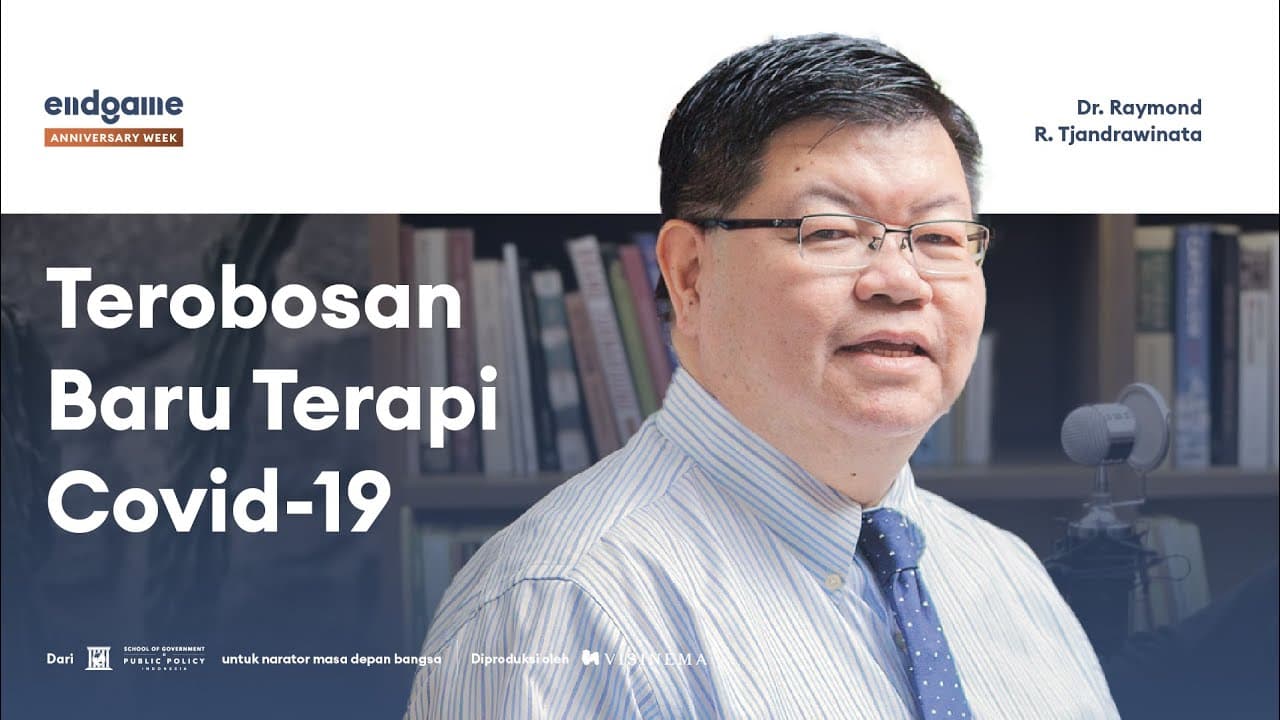
Pandemic innovation can continue by advancing treatments such as Regkirona monoclonal antibodies while sustaining scientific curiosity and research. Dr Raymond Tjandrawinata says Regkirona reduced COVID-19 disease progression by 72% compared with placebo, potentially lowering worsening, hospitalization, and ICU-equipment needs. His path through molecular biology, cancer research, pharmacology, and a NASA osteoporosis project shows how broad experience supports discovery. Read on for the interview’s key scientific and personal insights.
Transcript
Should the monoclonal antibody therapy be treated for our interest to mitigate the risk of hospitalization, or even more ? - In 2020, President Trump was suddenly got the SARS-CoV-2, Got the COVID. Suddenly came in, in 3 days, was out (of the hospital) looking fresh, despite what happened. Maybe there was cosmetic changes, etc. But at least coul... Read More
Key Insights
- Monoclonal antibodies are highly specific treatments derived from convalescent plasma.
- Regkirona reduces COVID-19 severity and hospitalization risk by 72%.
- Monoclonal antibodies target the SARS-CoV-2 virus with high specificity.
- Vaccines and monoclonal antibodies complement each other in managing COVID-19.
- The development of new therapies is essential as the virus continues to mutate.
- Indonesia's biodiversity offers potential for developing local pharmaceutical solutions.
- Scientific collaboration and innovation are crucial in overcoming the pandemic.
- Lifestyle changes and adherence to health protocols remain vital in managing COVID-19.
Install to Summarize YouTube Videos and Get Transcripts
Explore YouTube Video Summarizer or Get YouTube Transcript Extractor
Questions & Answers
Q: How can monoclonal antibody therapy help COVID-19 patients?
Monoclonal antibodies are presented as a way to reduce COVID-19 disease progression and mitigate hospitalization risk. The interview says patients receiving the therapy may be less likely to worsen, require hospital admission, or need ICU equipment.
Q: What did the interview report about Regkirona’s effectiveness?
Dr Raymond Tjandrawinata says patients who received Regkirona experienced 72% lower disease progression than those given placebo. He connects that reduction with fewer patients worsening, entering the hospital, or needing ICU equipment.
Q: Why does the interview mention President Trump’s COVID-19 recovery?
The interview cites President Trump as an example of a COVID-19 patient who received monoclonal antibodies. It notes that he was out of the hospital and able to walk to a helicopter within about three to four days.
Q: Who is Dr Raymond Tjandrawinata in this Endgame Anniversary Week episode?
Dr Raymond Tjandrawinata is introduced by Gita Wirjawan as a scientist or pharmacologist from the Dexa Group. The Endgame conversation covers his life, scientific career, pandemic treatments, and Indonesia’s future in 2045.
Q: Why did Raymond Tjandrawinata choose to become a scientist?
He says he enjoyed chemistry, physics, biology, laboratory work, and searching for new things. His childhood habit of taking toys and other objects apart reflected the curiosity that led him toward science instead of medicine.
Q: What was Raymond Tjandrawinata’s educational path?
Born in Jember in 1964, he attended school there before moving to Jakarta and studying at Kanisius High School in 1983. He later went to America, earned master’s and Ph.D. degrees under Craig Byus at UC Riverside, and completed postdoctoral work in molecular pharmacology at UCSF.
Q: What scientific fields did Raymond Tjandrawinata research?
His undergraduate research involved molecular biology and physiology, after which he became interested in cancer research and polyamines. He later shifted toward prostaglandins and worked with Dr Millie Hughes-Fulford at UCSF.
Q: How was Raymond Tjandrawinata involved in NASA-related research?
While working with Dr Millie Hughes-Fulford, an astronaut, he became involved in NASA projects and traveled to Cape Canaveral. The research examined why astronauts experienced osteoporosis after spending even about a week in zero gravity.
Summary & Key Takeaways
-
Monoclonal antibodies, such as Regkirona, offer a promising treatment for COVID-19 by reducing the severity of the disease and the risk of hospitalization by up to 72%. This therapy is derived from the convalescent plasma of recovered patients, making it highly specific to the SARS-CoV-2 virus.
-
The development of monoclonal antibodies complements existing vaccines, providing an additional tool to manage the pandemic, especially as new variants emerge. This therapy is particularly beneficial for high-risk patients, offering a targeted approach to prevent severe outcomes.
-
Indonesia's rich biodiversity provides an opportunity to develop local pharmaceutical solutions. The country's scientific community is encouraged to innovate and collaborate to harness this potential, which could reduce dependency on imported medicines and enhance national health security.
Read in Other Languages (beta)
Share This Summary 📚
Summarize YouTube Videos and Get Video Transcripts with 1-Click
Try YouTube Summary with ChatGPT & Claude or YouTube Transcript Generator
Explore More Summaries from Gita Wirjawan 📚




Summarize YouTube Videos and Get Video Transcripts with 1-Click
Try YouTube Summary with ChatGPT & Claude or YouTube Transcript Generator