How Did China Become a Global Economic Power?
TL;DR
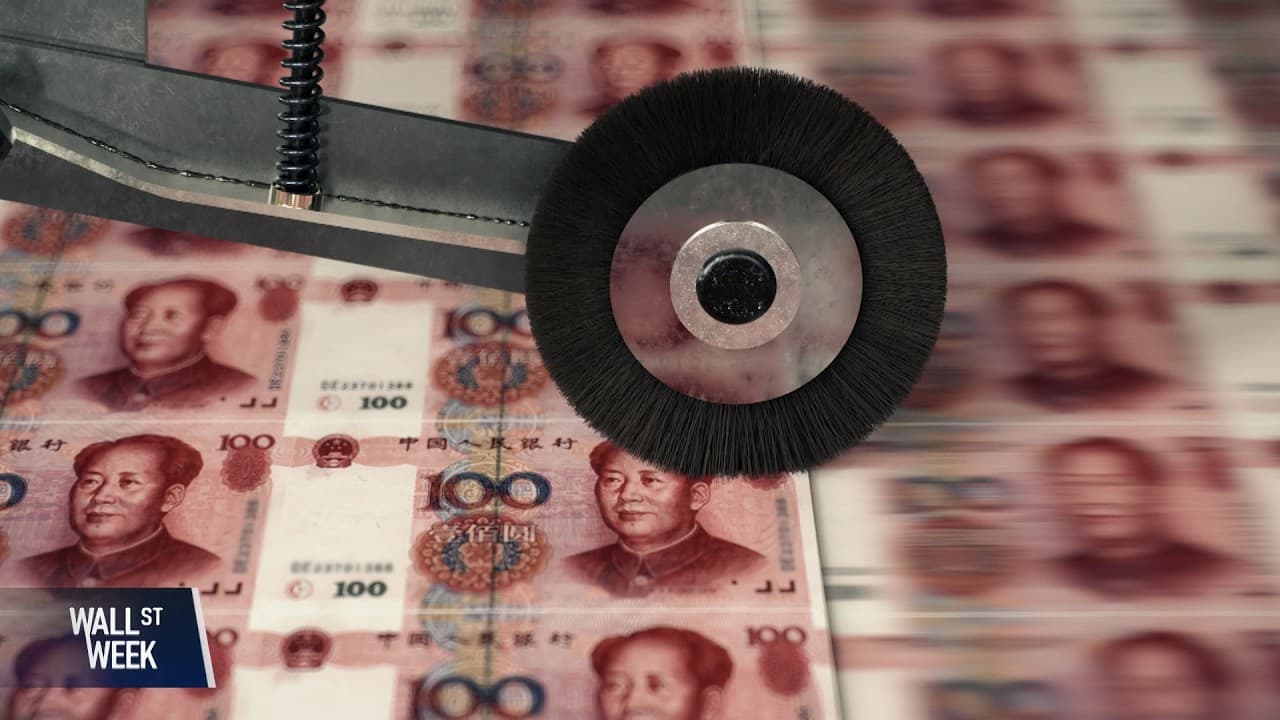
China's entry into the WTO in 2001 marked a significant turning point, propelling its economy to become the world's second largest. Despite its rapid growth and technological advancements, China faces challenges such as real estate slowdowns and domestic inequality. The Belt and Road Initiative and advancements in electric vehicles highlight its global influence and ambition for world supremacy.
Transcript
As we continue our review of the first quarter of the 21st century, we turn to one country that has been a story, well, really many stories in and of itself. Our colleague Enda Curran takes us through China's remarkable transformation. [Applause] -China joining the WTO in 2001 was probably one of the most consequential decisions, not just for China... Read More
Key Insights
- China's WTO entry in 2001 was pivotal for its economic rise and global influence.
- The global financial crisis saw China implement a massive stimulus, boosting its economy.
- The Belt and Road Initiative positioned China as a major global investor.
- China's technological advancements in EVs and AI are significant.
- Domestic challenges include a real estate slowdown and growing inequality.
- China's shift from a rule-taker to a rule-maker is evident in its global interactions.
- Technological growth in China may outpace Western advancements, especially in EVs and AI.
- China's focus remains on global supremacy, not just domestic consumption.
Install to Summarize YouTube Videos and Get Transcripts
Explore YouTube Video Summarizer or Get YouTube Transcript Extractor
Questions & Answers
Q: How did China's WTO entry impact its economy?
China's entry into the World Trade Organization in 2001 was a pivotal moment that accelerated its economic growth. It opened up global markets for Chinese products, leading to a surge in exports and foreign investments. This move transformed China into a global manufacturing hub, significantly boosting its GDP and positioning it as the world's second-largest economy.
Q: What role did the Belt and Road Initiative play in China's global influence?
The Belt and Road Initiative has been central to China's strategy to extend its global influence. By investing in infrastructure projects across Asia, Africa, and Europe, China has positioned itself as a key player in global trade and development. This initiative not only enhances China's economic ties but also strengthens its geopolitical influence by creating new markets for Chinese goods and services.
Q: What are the main challenges facing China's economy today?
China's economy faces several challenges, including a slowdown in the real estate sector and rising domestic inequality. The real estate slump has affected economic growth, while the disparity between the wealthy and the poor continues to widen. Additionally, China's transition to a technology-driven economy poses challenges in terms of employment and managing technological change.
Q: How has China's technological advancement affected its global standing?
China's advancements in technology, particularly in electric vehicles and artificial intelligence, have significantly enhanced its global standing. These advancements have positioned China as a leader in cutting-edge technologies, challenging Western dominance. China's focus on innovation and investment in technology underscores its ambition to become a global tech powerhouse and influence international standards.
Q: How has China's relationship with the West evolved over the past 25 years?
Over the past 25 years, China's relationship with the West has become more complex. Initially marked by cooperation and economic integration, recent years have seen increased tensions due to trade disputes and geopolitical rivalries. China's assertive global stance and technological advancements have further complicated its relations with Western countries, leading to a more competitive and cautious engagement.
Q: What impact has China's economic growth had on its domestic population?
China's economic growth has lifted millions out of poverty and created a burgeoning middle class. However, the benefits have not been evenly distributed, leading to significant income inequality. While urban areas and certain sectors have thrived, rural regions and traditional industries have lagged behind. This disparity poses a challenge for China's social stability and long-term economic sustainability.
Q: How does China's focus on global supremacy affect its domestic policies?
China's focus on global supremacy influences its domestic policies by prioritizing technological innovation and infrastructure development over domestic consumption. This approach aims to enhance China's global competitiveness and self-reliance. However, it also means that domestic issues like consumption and social welfare may receive less attention, potentially exacerbating internal challenges such as inequality and economic imbalances.
Q: What are the implications of China's economic strategies for the global economy?
China's economic strategies, including its Belt and Road Initiative and technological advancements, have significant implications for the global economy. These strategies enhance China's influence in global trade and technology, potentially reshaping international economic dynamics. As China continues to assert its role as a global leader, other countries may need to adapt to a new economic order where China plays a central role in setting standards and driving innovation.
Summary & Key Takeaways
-
China's accession to the WTO in 2001 was a major catalyst for its economic transformation, facilitating its rise as a manufacturing powerhouse. The Belt and Road Initiative further cemented its global influence, while advancements in electric vehicles and AI highlight China's technological prowess. However, challenges such as a real estate slowdown and domestic inequality present significant hurdles.
-
Despite its rapid ascent, China's economy faces vulnerabilities, including a sluggish real estate sector and uneven wealth distribution. The country's focus on technological advancement and global influence is evident through initiatives like the Belt and Road and its leadership in electric vehicles and AI. These efforts underscore China's ambition for world supremacy.
-
China's economic journey over the past 25 years reflects a shift from being a rule-taker to a rule-maker on the global stage. While its advancements in technology and infrastructure are noteworthy, domestic challenges persist. The country's strategic investments and focus on global influence continue to shape its economic landscape and international relations.
Read in Other Languages (beta)
Share This Summary 📚
Summarize YouTube Videos and Get Video Transcripts with 1-Click
Try YouTube Summary with ChatGPT & Claude or YouTube Transcript Generator
Explore More Summaries from Bloomberg Television 📚




Summarize YouTube Videos and Get Video Transcripts with 1-Click
Try YouTube Summary with ChatGPT & Claude or YouTube Transcript Generator