How to Build a Successful Digital Marketing Agency?
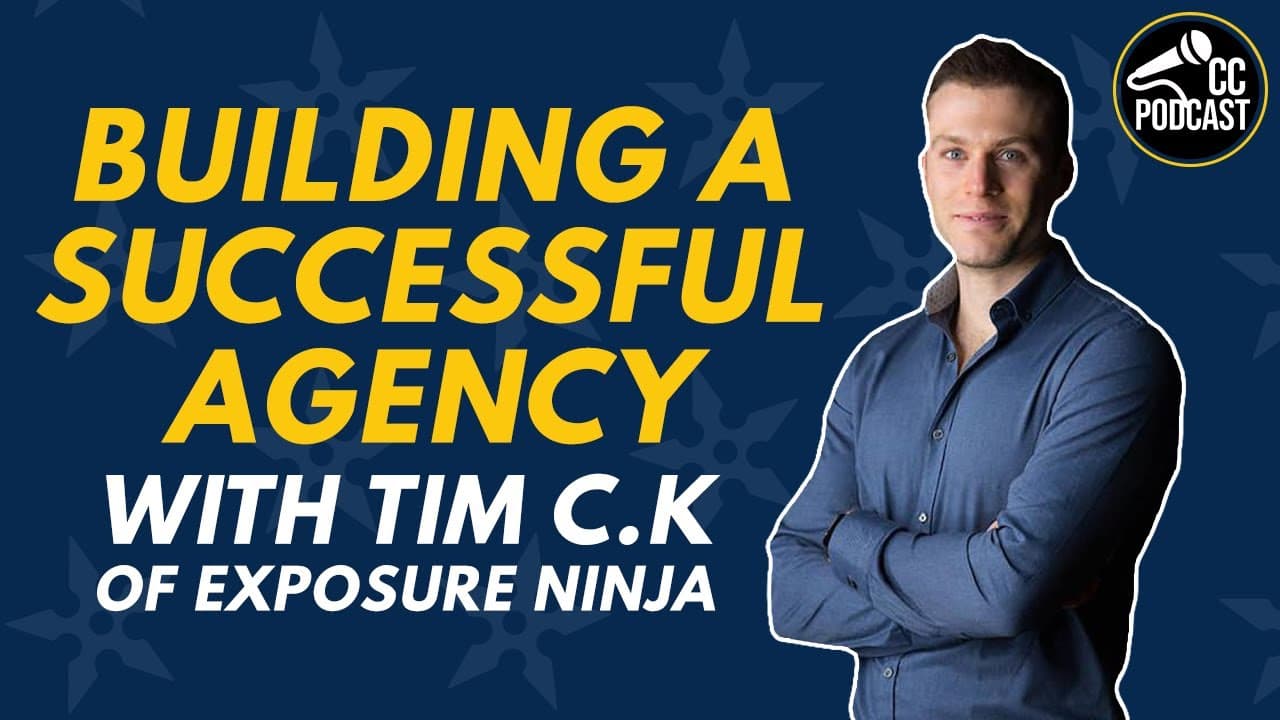
TL;DR
To build a successful digital marketing agency, focus on establishing clear processes, hiring the right talent, and fostering a supportive work environment. Use performance tracking tools like Hubstaff and ensure that team members align with your agency's vision. Encourage personal projects and maintain momentum through continuous improvement and internal growth opportunities.
Transcript
this show is sponsored by odys global make sure that you do sign up and get a free 100 bonus by checking out odys global's age domains or done for you affiliate websites hi guys and welcome to today's podcast where i'm joined by mr tim cameron kitchen the uh i said this in your podcast tim um the i know with a double barrel name i think it doesn't ... Read More
Key Insights
- Tim Cameron-Kitchen transitioned from a professional drummer to a digital marketing agency owner, leveraging his skills in website building and SEO.
- Building a successful agency requires overcoming challenges like managing a growing team and implementing effective processes.
- Finding the right balance between control and delegation is crucial; Tim emphasizes the importance of setting KPIs and using tools like Hubstaff for monitoring.
- Hiring strategies include a mix of local and international talent, with a focus on cultural fit and potential for growth within the company.
- Tim advocates for hiring individuals with personal projects, as they demonstrate drive and practical experience in digital marketing.
- Retention strategies involve creating a supportive and ambitious work environment, encouraging internal growth and development.
- Tim's role as CEO involves setting company vision, ensuring client satisfaction, and exploring growth opportunities through acquisitions.
- Personal branding can be a powerful tool for agency growth, but it must be balanced to avoid overwhelming the individual and the business.
Install to Summarize YouTube Videos and Get Transcripts
Explore YouTube Video Summarizer or Get YouTube Transcript Extractor
Questions & Answers
Q: What was Tim Cameron-Kitchen's career before founding Exposure Ninja?
Tim Cameron-Kitchen was a professional drummer before transitioning to digital marketing. He studied music at university and pursued a career in a band, living on a farm and recording music. However, he eventually shifted focus to building and ranking websites, which led to the founding of Exposure Ninja.
Q: What are some key challenges in scaling a digital agency?
Scaling a digital agency involves overcoming challenges such as managing a growing team, implementing effective processes, and maintaining quality control. Tim highlights the 'sweet spot of hell' when an agency reaches around 15-17 employees, where management structures are insufficient for the number of staff, leading to potential quality and performance issues.
Q: How does Tim Cameron-Kitchen approach hiring for his agency?
Tim's hiring strategy involves a mix of local and international talent, focusing on cultural fit and potential for growth. He values candidates with personal projects, as they demonstrate drive and practical experience. The interview process includes role-play scenarios and tasks to assess candidates' alignment with the company's values and processes.
Q: What tools and strategies does Exposure Ninja use to monitor staff performance?
Exposure Ninja uses tools like Hubstaff, an activity tracker that takes periodic screenshots and tracks work hours. Each role has defined KPIs to measure performance. The agency conducts spot checks and QA processes to ensure quality and identify training or coaching needs, creating a self-monitoring system for performance management.
Q: How does Tim Cameron-Kitchen view personal branding in agency growth?
Tim views personal branding as a valuable tool for agency growth, especially if the individual has charisma and is comfortable with public speaking. However, he cautions against relying solely on personal branding, as it can lead to unrealistic client expectations and personal overwhelm. He suggests balancing personal branding with a strong agency identity.
Q: What is Tim's role in the day-to-day operations of Exposure Ninja?
As CEO, Tim focuses on setting the company's vision, ensuring client satisfaction, and exploring growth opportunities through acquisitions. He is involved in strategy development, client feedback analysis, and process optimization. Tim also serves as the face of the company, creating content and engaging with the audience through podcasts and videos.
Q: What strategies does Exposure Ninja use for staff retention?
Exposure Ninja creates a supportive and ambitious work environment, encouraging internal growth and development. The agency values a caring culture, offering support during personal challenges and organizing team-building events. They focus on maintaining low management turnover and providing opportunities for employees to advance within the company.
Q: How does Exposure Ninja approach acquisitions for growth?
Exposure Ninja looks for agencies with complementary services or processes, rather than just smaller versions of themselves. They seek expertise in areas like Shopify Plus or unique client acquisition methods. The goal is to integrate these new capabilities with their existing offerings, enhancing growth potential for both the acquired agency and Exposure Ninja.
Summary & Key Takeaways
-
Tim Cameron-Kitchen shares his journey from being a professional drummer to founding a successful digital marketing agency, Exposure Ninja. He highlights the importance of building and ranking websites as a key to his agency's growth.
-
Tim discusses the challenges of scaling an agency, emphasizing the need for effective processes and management structures. He shares insights on hiring, delegation, and using tools like Hubstaff for performance monitoring.
-
Tim addresses the benefits of personal branding in agency growth, while also cautioning about its potential downsides. He shares strategies for staff retention and the importance of maintaining a supportive and ambitious work environment.
Read in Other Languages (beta)
Share This Summary 📚
Summarize YouTube Videos and Get Video Transcripts with 1-Click
Try YouTube Summary with ChatGPT & Claude or YouTube Transcript Generator