What Are the Concerns About the World Economic Forum?
TL;DR
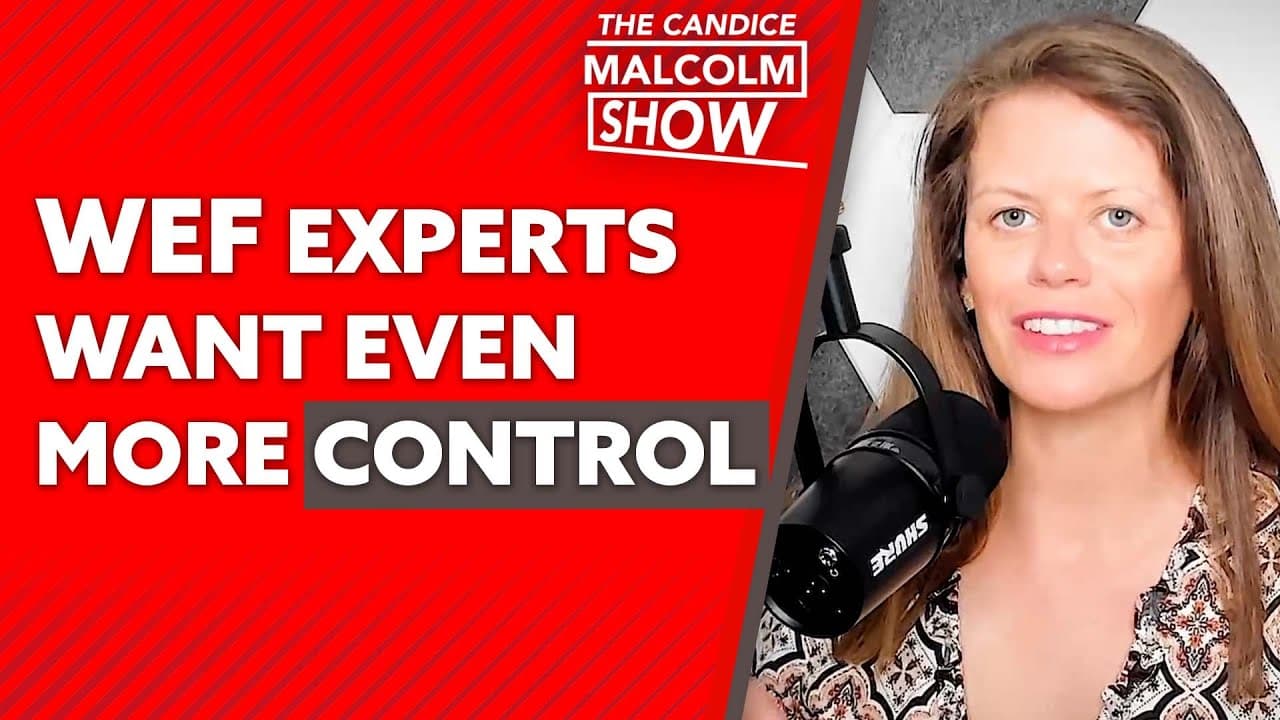
The World Economic Forum in Davos is criticized for being an elite gathering that imposes technocratic governance ideals disconnected from the interests of everyday citizens. Increasing public resentment towards authoritative governance, especially post-COVID restrictions, highlights a widespread skepticism towards elitist ideologies. Discussions often focus on climate change and global frameworks over national priorities, raising concerns about the influence of global elites on local politicians.
Transcript
Global Elites are hobnobbing in Davos Switzerland this week as part of the world economic forum's annual meeting but criticizing these Elites standing opposed to their Global governance schemes will get you called a conspiracy theorist according to these Elites we're going to break it all down on the show today plus we'll be joined by True North An... Read More
Key Insights
- ❓ A significant disconnection exists between the agendas discussed at the World Economic Forum and the everyday concerns of citizens, particularly regarding economic stress and climate policies.
- ❣️ The pandemic's restrictions have heightened skepticism toward technocrats advocating for heavy-handed governance practices.
- 🫵 Criticism of the World Economic Forum spans across the political spectrum, as many view elite gatherings as out-of-touch and elitist.
- 🇨🇫 Media coverage surrounding these events often portrays critics as conspiracy theorists, diverting attention from legitimate public concerns regarding elite influence on governance.
- 🌐 Issues discussed at Davos typically prioritize global frameworks over national interests, raising alarms about potential conflicts of interest among local politicians.
- 🎁 Political leaders opposing the globalist agenda are gaining traction, presenting a counter-narrative to conventional media portrayals of elite gatherings.
- 🌐 The perceived arrogance of global elites aggravates public frustration, prompting rallies against perceived authoritarian governance.
Install to Summarize YouTube Videos and Get Transcripts
Explore YouTube Video Summarizer or Get YouTube Transcript Extractor
Questions & Answers
Q: What is the general sentiment towards the World Economic Forum among everyday citizens?
Many citizens express skepticism and resentment toward the World Economic Forum, viewing it as an elite gathering that imposes rules without understanding their reality. This sentiment has intensified following the COVID-19 pandemic where restrictive measures were seen as heavy-handed. Citizens from both the political right and left feel alienated by technocratic elites who advocate for policies that seem out of touch with common struggles.
Q: How do global elites justify their gathering in Davos?
Global elites justify their gathering by framing it as a platform for discussing pressing global issues such as climate change, economic resets, and governance strategies. They believe that collaboration among world leaders and influential figures is essential to address these challenges. However, this rationale is often criticized as overly detached from real-world implications faced by ordinary people and small businesses.
Q: What specific criticisms are levied against Klaus Schwab and the World Economic Forum?
Klaus Schwab, the head of the World Economic Forum, faces criticism for his remarks about influencing political leaders and shaping global policies. Critics highlight a perceived conflict of interest, particularly when government officials engage with this organization while promoting policies that may not align with their constituents' interests. Schwab's agenda around concepts like the "Great Reset" fuels conspiracy theories about elite control over democratic processes.
Q: How has the media responded to criticisms of the World Economic Forum?
The media has largely fallen into two camps: those defending the elites, suggesting critics are conspiracy theorists, and those critiquing perceived conflicts of interest among politicians. There's frustration pointed toward journalists for defending global elites rather than investigating the implications of elite policies on public welfare, leading to feelings of distrust in established media.
Q: What has been the response from political leaders regarding the World Economic Forum?
Political leaders, especially from conservative factions, have increasingly criticized the World Economic Forum's influence on policy-making, asserting that participation by cabinet ministers should be restricted. Conservative leader Pierre Poilievre's recent declaration to ban cabinet ministers from attending the Forum resonates with growing public discontent over elitist governance, positioning him as a representative voice against globalism.
Q: Can negative perceptions of the World Economic Forum lead to broader political movements?
Yes, negative perceptions of the World Economic Forum and its technocratic policies can energize political movements, especially with growing populism among various political spectrums. This backlash against established elites may amplify voices advocating for sovereignty and more localized decision-making, reflecting public desire for accountability in governance.
Summary & Key Takeaways
-
The World Economic Forum in Davos attracts criticism as many perceive it as an elite gathering imposing technocratic rules on the public.
-
The podcast highlights a growing resentment against authoritative governance, especially post-COVID restrictions, signaling a defiance against elitist ideologies.
-
Expected discussions at Davos revolve around climate change and global governance, often disconnected from the concerns of everyday citizens, according to reports from on-ground journalists.
Read in Other Languages (beta)
Share This Summary 📚
Summarize YouTube Videos and Get Video Transcripts with 1-Click
Try YouTube Summary with ChatGPT & Claude or YouTube Transcript Generator
Explore More Summaries from True North 📚

Summarize YouTube Videos and Get Video Transcripts with 1-Click
Try YouTube Summary with ChatGPT & Claude or YouTube Transcript Generator