Search and Rescue Dog Training With The Tom Rose School
TL;DR
Introducing search and rescue training for dogs at Tom Rose School.
Transcript
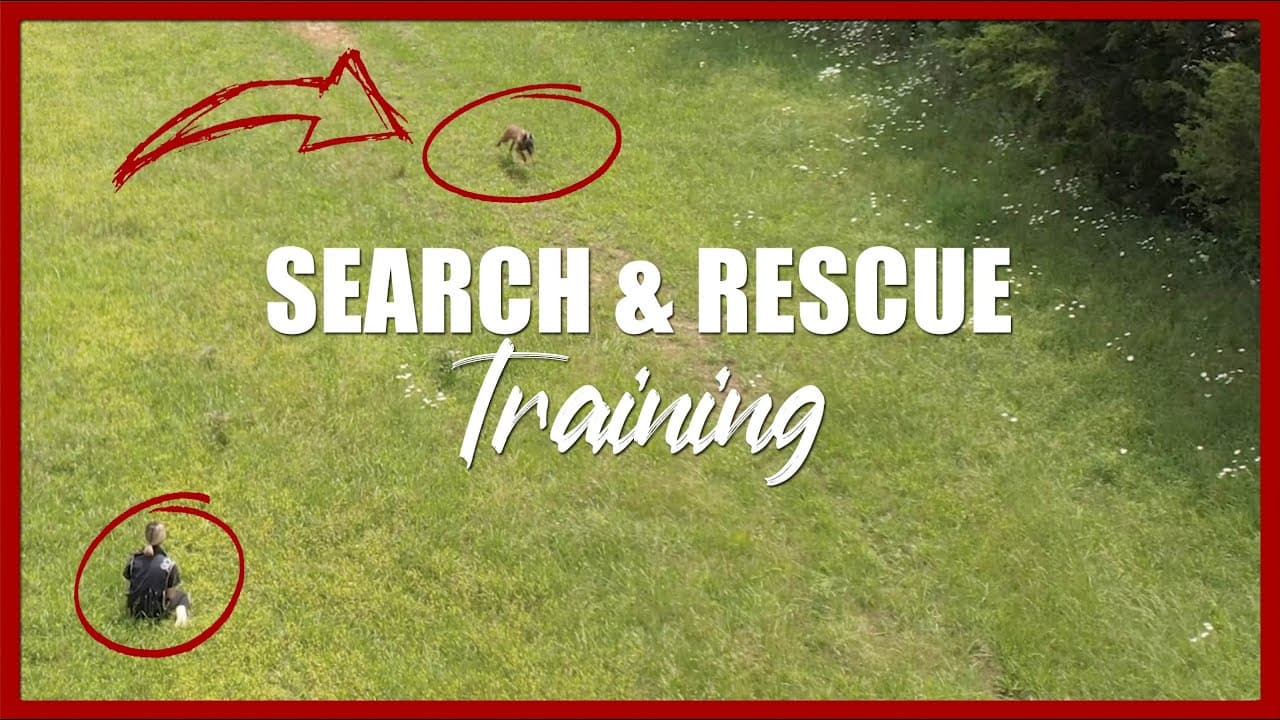
hey everyone welcome back to another episode here at the Tom Rose school for professional dog trainers and in today's video we are going to be introducing a dog to the first step when it comes to teaching search and rescue or a felon search I know a lot of you have been requesting this video so I hope you enjoy it let's get started it's a beginning... Read More
Key Insights
- The video introduces the initial steps in training dogs for search and rescue, emphasizing the importance of teaching dogs to rely on their sense of smell rather than sight.
- The training involves having a handler hide while the dog is held back, and then releasing the dog to find the handler using scent.
- It is crucial to progress gradually in training, as moving too quickly can lead to the dog becoming discouraged and giving up.
- Training should be repeated multiple times, with each session slightly more challenging, to ensure the dog learns to keep its nose to the ground.
- In the early stages, dogs may rely too much on their eyes, especially in tall grass, which can hinder their ability to track using scent.
- Wooded areas can be advantageous for scent training as they tend to hold scent better than open fields.
- Tom Rose's training methods have been developed over decades, and his school has produced many successful dog trainers worldwide.
- The Tom Rose School offers a comprehensive curriculum that combines lectures, demonstrations, and hands-on experience to teach effective dog training techniques.
Install to Summarize YouTube Videos and Get Transcripts
Explore YouTube Video Summarizer or Get YouTube Transcript Extractor
Questions & Answers
Q: What is the focus of the initial training steps for search and rescue dogs?
The initial training steps for search and rescue dogs focus on teaching them to rely on their sense of smell rather than sight. This involves exercises where the handler hides, and the dog is encouraged to find them using scent, gradually progressing to more challenging scenarios.
Q: Why is it important to progress gradually in dog training?
Progressing gradually in dog training is important to prevent the dog from becoming discouraged and giving up. If the training is too challenging too quickly, the dog might rely on its eyes instead of its nose or stop trying altogether. Gradual progression helps the dog build confidence and skill in using its sense of smell.
Q: What challenges do dogs face when starting scent training?
When starting scent training, dogs often rely too much on their sight, especially in tall grass, which can hinder their ability to track using scent. They may also become discouraged if the training is too difficult too soon. The goal is to teach them to keep their nose to the ground and follow the scent trail.
Q: How does the environment affect scent training for dogs?
The environment plays a significant role in scent training for dogs. Wooded areas are advantageous because they tend to hold scent better than open fields, making it easier for dogs to follow a scent trail. Tall grass can be challenging as it might encourage dogs to rely on sight rather than smell.
Q: What is the role of repetition in search and rescue training?
Repetition is crucial in search and rescue training as it helps reinforce the dog's ability to use its sense of smell effectively. By repeating the exercises multiple times, with each session becoming slightly more challenging, dogs gradually learn to keep their nose to the ground and follow the scent trail confidently.
Q: What makes the Tom Rose School's training methods effective?
The Tom Rose School's training methods are effective because they combine decades of experience with a comprehensive curriculum that includes lectures, demonstrations, and hands-on experience. The school emphasizes gradual progression and the importance of teaching dogs to rely on their sense of smell, producing successful trainers worldwide.
Q: How has Tom Rose contributed to the field of dog training?
Tom Rose has made significant contributions to dog training by developing effective training methods over decades, authoring major dog-training books, and founding the Tom Rose School. His school has produced many successful trainers, and he pioneered the Puppy Imprinting Program, coining the term 'imprinting' as it applies to dogs.
Q: What benefits do wooded areas offer for scent training?
Wooded areas offer benefits for scent training because they tend to hold scent better than open fields, providing a more favorable environment for dogs to track using their sense of smell. This makes it easier for dogs to follow a scent trail and helps reinforce their training more effectively.
Summary & Key Takeaways
-
The video by Tom Rose School demonstrates the initial steps in training a dog for search and rescue, focusing on teaching the dog to use its sense of smell. The process involves gradual progression to ensure the dog learns effectively without becoming discouraged.
-
Tom Rose School's training emphasizes the importance of scent over sight in search and rescue. The video shows how to start training a dog by having the handler hide and encouraging the dog to track them using smell, with gradual progression.
-
The Tom Rose School has a long history of producing successful dog trainers. The video highlights the initial steps in search and rescue training, focusing on teaching dogs to rely on their sense of smell through repeated and progressively challenging exercises.
Read in Other Languages (beta)
Share This Summary 📚
Summarize YouTube Videos and Get Video Transcripts with 1-Click
Try YouTube Summary with ChatGPT & Claude or YouTube Transcript Generator
Explore More Summaries from Nate Schoemer 📚



Summarize YouTube Videos and Get Video Transcripts with 1-Click
Try YouTube Summary with ChatGPT & Claude or YouTube Transcript Generator