How to Reach YouTube Monetization With One Video
TL;DR
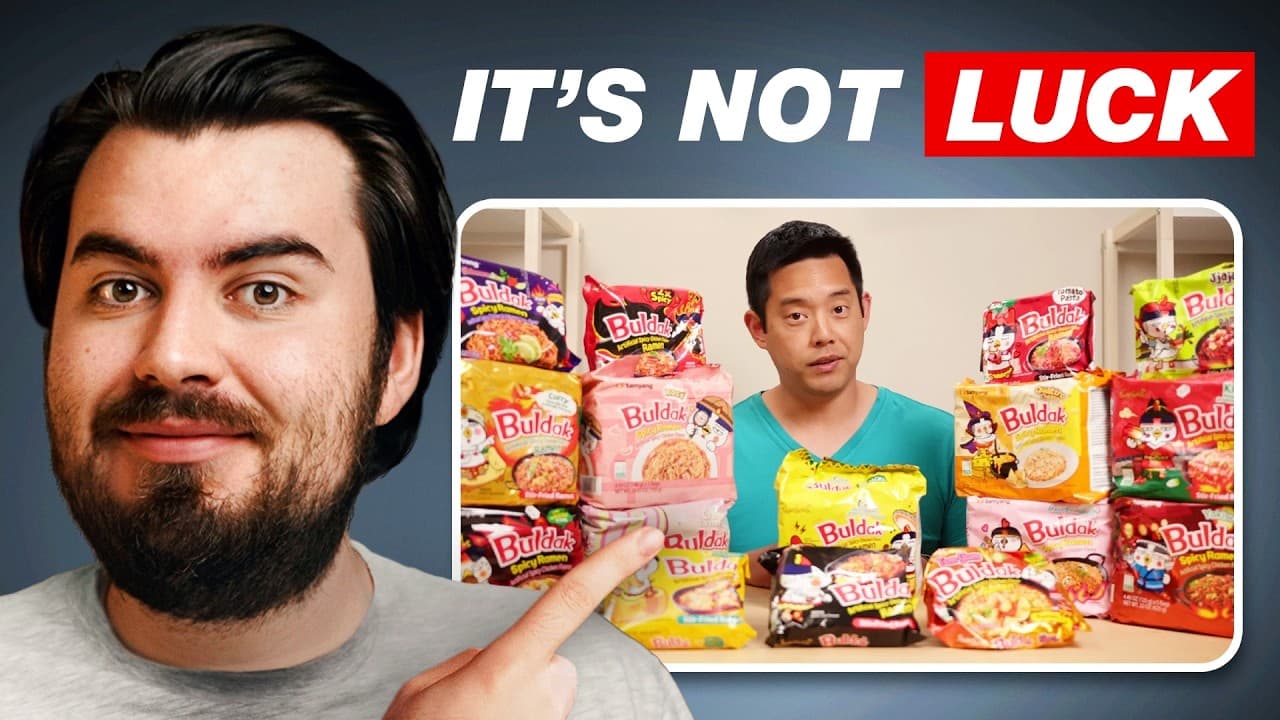
Repeat the topic that already shows signs of audience interest, then improve it with a distinctive angle, clear storytelling, and useful detail. Jason’s fourth upload revisited ramen, responded to a viewer request, and helped YouTube connect two related videos, generating enough subscribers and watch hours to move his new channel into monetization.
Transcript
Imagine starting a brand new YouTube channel, uploading just a handful of videos, and already hitting a thousand subscribers and unlocking monetization. That's exactly what my friend Jason did. One video put his channel over the edge. But it wasn't just luck. When the fourth video came out, that was what did it. I didn't realize YouTube was waiting... Read More
Key Insights
- Early audience response is a useful topic signal, even when the view count is modest. Jason’s first ramen upload rose from about 12 views to roughly 226 views, added around 20 subscribers, and showed stronger interest than his unrelated follow-up videos.
- Repeating a promising subject can clarify a new channel’s audience. Jason’s fourth upload returned to ramen, which gave YouTube two related videos and helped the platform understand that viewers interested in food, ramen, or Buldak might respond to his channel.
- Viewer comments are a practical source of content ideas. Jason created the Buldak video after one commenter requested it, then researched the product range and developed a broader angle instead of merely following the suggestion as a basic tasting video.
- Differentiation is stronger when it changes the story, not just the production quality. Jason contrasted officially available United States flavors with varieties found in Asian markets, creating curiosity about products that viewers might not encounter in Walmart or a local grocery store.
- Storytelling and education can serve different parts of the same video. Jason used comedy, narrative, and faster editing during the first minute, then shifted into a more analytical tasting mode that carefully described what each flavor felt like to experience.
- Specific sensory descriptions can help viewers imagine an experience they cannot directly share. Jason tried to identify exact flavor qualities and translate them into familiar comparisons, allowing viewers to form a clearer mental impression of each noodle while watching remotely.
- Related videos can reinforce one another after a breakout. When YouTube began distributing the fourth upload through browse traffic, it also recommended Jason’s first ramen video, creating a loop in which viewers could move between two closely connected pieces of content.
- Imperfect branding does not prevent a creator from starting productively. Jason’s visual identity and presentation style changed across his first five uploads, supporting his view that creators can begin with a basic concept and refine the channel through actual publishing experience.
- Related book: YouTube Secrets
Install to Summarize YouTube Videos and Get Transcripts
Explore YouTube Video Summarizer or Get YouTube Transcript Extractor
Questions & Answers
Q: How can one YouTube video help a new channel reach monetization?
One upload can accelerate monetization when it expands on a topic that has already shown audience interest and generates sustained views, subscribers, and watch hours. Jason’s fourth upload returned to ramen, the subject of his strongest earlier video. YouTube distributed the new upload through browse traffic and also began recommending the first ramen video, allowing the two related uploads to support each other.
Q: Why did Jason repeat the ramen topic on his new channel?
Jason repeated the ramen topic because his first upload had produced the channel’s clearest positive response, and a commenter specifically requested a video about Buldak noodles. Although the first upload eventually plateaued, it had risen from about 12 views to roughly 226 views and added around 20 subscribers. The later ramen upload built on that evidence instead of ignoring it.
Q: What made the Buldak ramen video different from other tasting videos?
The Buldak upload used a discovery-based story rather than presenting only a sequence of reactions. Jason compared flavors officially shown on Samyang’s American website with additional varieties available through Asian markets. That framing created curiosity for viewers who might see only three or four flavors at Walmart or another local grocery store, while detailed tasting descriptions added educational value.
Q: How did YouTube distribute Jason’s breakout ramen video?
YouTube distributed the breakout upload primarily through browse traffic rather than suggested videos, according to Jason’s account of the analytics. Its views initially rose, plateaued, increased again, and then accelerated sharply. Jason believed the platform had learned what his channel was about and could place the upload before people whose interests included food, ramen, or Buldak specifically.
Q: Why did Jason’s first ramen video grow after the fourth upload?
The first ramen upload grew because YouTube began recommending it alongside the newer Buldak video. Both uploads addressed closely related subjects, so viewers who discovered one could be directed to the other. Jason described the pattern as a loop between the videos. This paired distribution increased the value of his earlier work instead of limiting the breakout effect to one upload.
Q: What should a new creator do when early videos get few views?
A new creator should continue publishing, study any signs of audience interest, and test related ideas rather than treating a weak launch as a final verdict. Jason’s second and third uploads stopped at about 10 views with almost no impressions, yet he kept going. His fourth upload returned to the subject that had performed best and ultimately changed the channel’s trajectory.
Q: How did Jason structure the breakout video to hold attention?
Jason opened with about a minute of storytelling, comedy bits, and faster editing, then changed his delivery during the tasting section. The later segment became more educational and analytical as he tried to identify each flavor and communicate the experience precisely. This structure combined entertainment with useful information instead of maintaining one tone throughout the entire upload.
Q: Does a new YouTube channel need perfect branding before publishing?
A new channel does not need fully developed branding before its first upload, based on Jason’s experience. He began with a basic entertainment concept and allowed the presentation to evolve across his first five videos. The branding and style changed between the earliest and most recent uploads, but publishing gave him practical evidence about topics, storytelling choices, and audience response.
Summary & Key Takeaways
-
Jason began his entertainment channel without waiting for perfect branding. His first upload documented tasting 40 spicy ramen products from Walmart, combining research, memes, comedy, and detailed flavor descriptions. It initially received about 12 views, later climbed to roughly 226 views and brought around 20 subscribers, then remained flat for weeks.
-
Two unrelated follow-up uploads stopped at about 10 views each, but Jason continued publishing. His fourth upload returned to ramen after a commenter requested coverage of popular Buldak noodles. The repeated subject gave YouTube another clear signal about the channel’s audience and helped the platform distribute both ramen videos through browse traffic.
-
The breakout upload distinguished itself from ordinary tasting videos by contrasting flavors officially shown on Samyang’s American website with additional options found in Asian markets. Its opening used storytelling, comedy, and faster editing, while the tasting segment became educational. Growing views, subscribers, and watch hours then propelled the channel into monetization.
Read in Other Languages (beta)
Share This Summary 📚
Summarize YouTube Videos and Get Video Transcripts with 1-Click
Try YouTube Summary with ChatGPT & Claude or YouTube Transcript Generator
Explore More Summaries from Think Media 📚

Summarize YouTube Videos and Get Video Transcripts with 1-Click
Try YouTube Summary with ChatGPT & Claude or YouTube Transcript Generator