Is Gender Transitioning for Youth Going Too Fast?
TL;DR
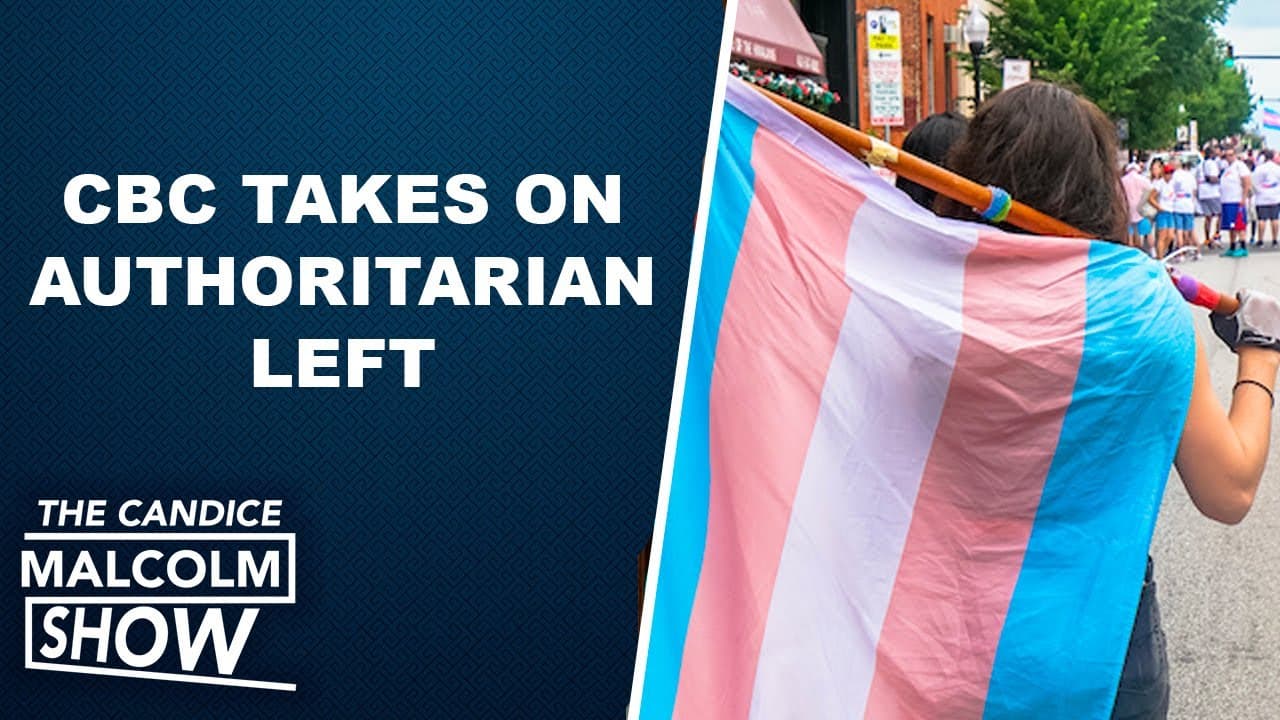
The CBC documentary 'Trans Express' investigates the rapid medical transitions of young women in Quebec, revealing that many regret their choices due to insufficient evaluations and easy access to treatments. Responses from activists argue it promotes anti-trans views, illustrating a larger societal divide over gender identity and healthcare practices for minors.
Transcript
authoritarian leftists in Canada are not happy why because the CBC in Quebec dared to do something that CBC English would never do they told the truth about rapid onset gender dysphoria and the terrible and crippling impact it has on girls and young women who are lured down that path it's fake news Friday I'm ctis Malcolm and this is the ctis Malco... Read More
Key Insights
- 🙂 The documentary "Trans Express" sheds light on rapid medical transitions for youth in Quebec, focusing on their psychological repercussions.
- 😘 It highlights the low barriers to obtaining hormone treatments, raising concerns about the adequacy of parental guidance and professional evaluations.
- ⚧️ Reactions from activists reflect broader societal tensions surrounding gender identity issues and highlight the challenges in public discourse over such matters.
- 🔉 The importance of journalistic integrity is underscored, showcasing the role of media in fostering essential conversations about sensitive topics, even if their narratives clash with established norms.
- 🤫 The pushback against the documentary illustrates a trend of silencing dissenting opinions within the gender debate, which could stifle necessary discussions around healthcare policies.
- ⚧️ Public awareness around gender transitions and their implications may catalyze legislative changes and reform in healthcare practices related to youth.
- 🤨 The documentary raises critical questions about the ethics of informed consent for minors, particularly involving irreversible medical procedures.
Install to Summarize YouTube Videos and Get Transcripts
Explore YouTube Video Summarizer or Get YouTube Transcript Extractor
Questions & Answers
Q: What specific issues did the documentary "Trans Express" address about gender dysphoria treatment?
The documentary explored the journey of four young women undergoing gender transition, illustrating how easily they received puberty blockers and other treatments with minimal medical scrutiny. It raised concerns about the potential negative impacts these irreversible decisions could have later in life, particularly focusing on the regrettable experiences that some individuals faced after transitioning.
Q: How did activists respond to the documentary's findings?
Activists criticized the documentary for allegedly perpetuating anti-trans narratives and misinformation, claiming it represents a harmful approach to an already vulnerable community. They argued that the documentary lacked a balanced portrayal by not sufficiently highlighting positive testimonials from those who have had successful transitions and affirmed the mental health benefits of gender-affirming care.
Q: What is the significance of discussing regrets among individuals who transition?
Discussing regrets is crucial as it highlights the importance of informed consent and thorough evaluation before transitioning. The documentary pointed out that many individuals may feel rushed into irreversible decisions and that more time and consideration should be afforded to these vulnerable patients, emphasizing the necessity of cautious medical protocols.
Q: How does the documentary's portrayal differ from conventional media coverage on gender issues?
The documentary offers a more critical lens on the procedures surrounding gender transition, contrary to mainstream narratives that often adopt a strictly supportive stance toward immediate transitions. It aims to spark awareness and debate about the complexities of gender dysphoria treatment, suggesting that more dialogue is necessary, particularly in conservative and critical contexts.
Q: What are the projected impacts of this documentary on public perception?
The documentary is expected to significantly influence public perception and provoke conversations about the treatment of gender dysphoria among adolescents. As families and communities become aware of the rapid transitions occurring without extensive evaluations, it could lead to increased scrutiny over protocols and potentially to calls for more structured healthcare guidelines.
Q: What arguments were presented regarding the safety of puberty blockers?
Critics in the documentary expressed concern over claims that puberty blockers are completely safe and reversible. They contested that while physical effects may be reversible, the psychological impacts and long-term consequences are still largely unknown, calling for cautious approaches rather than presuming safety without substantial evidence.
Q: How does the documentary address the issue of informed consent for minors?
The documentary emphasizes that the decision-making process for minors concerning gender transitions lacks adequate weight and consideration. It points out that in Quebec, minors as young as 14 can consent to significant medical interventions without sufficient understanding of the long-term ramifications, sparking debates over the appropriateness of such policies.
Q: What contrasting examples were discussed regarding the transition process in different societies?
The documentary compared Quebec's rapid transition model with more measured approaches seen in countries like Sweden and Finland, where practitioners are advised to take a slower, more thoughtful route for young patients, ensuring thorough psychological assessment and prolonged discussions prior to any medical interventions.
Summary & Key Takeaways
-
The show discusses a CBC documentary titled "Trans Express," highlighting the experiences of young women undergoing gender transition in Quebec, revealing potential repercussions and regrets associated with medical transitions.
-
The documentary emphasizes the lack of thorough evaluation and the ease of obtaining hormone treatments and surgeries, raising concerns and questions about the healthcare process for gender dysphoria.
-
Responses from trans activists and supporters criticize the documentary as promoting anti-trans sentiment and "junk science," arguing it misrepresents the experiences and outcomes of youth who seek gender-affirming care.
Read in Other Languages (beta)
Share This Summary 📚
Summarize YouTube Videos and Get Video Transcripts with 1-Click
Try YouTube Summary with ChatGPT & Claude or YouTube Transcript Generator
Explore More Summaries from True North 📚






Summarize YouTube Videos and Get Video Transcripts with 1-Click
Try YouTube Summary with ChatGPT & Claude or YouTube Transcript Generator