How Does Alcohol Rewire the Brain and Increase Cancer Risk? Dr. Sarah Wakeman Explains
TL;DR
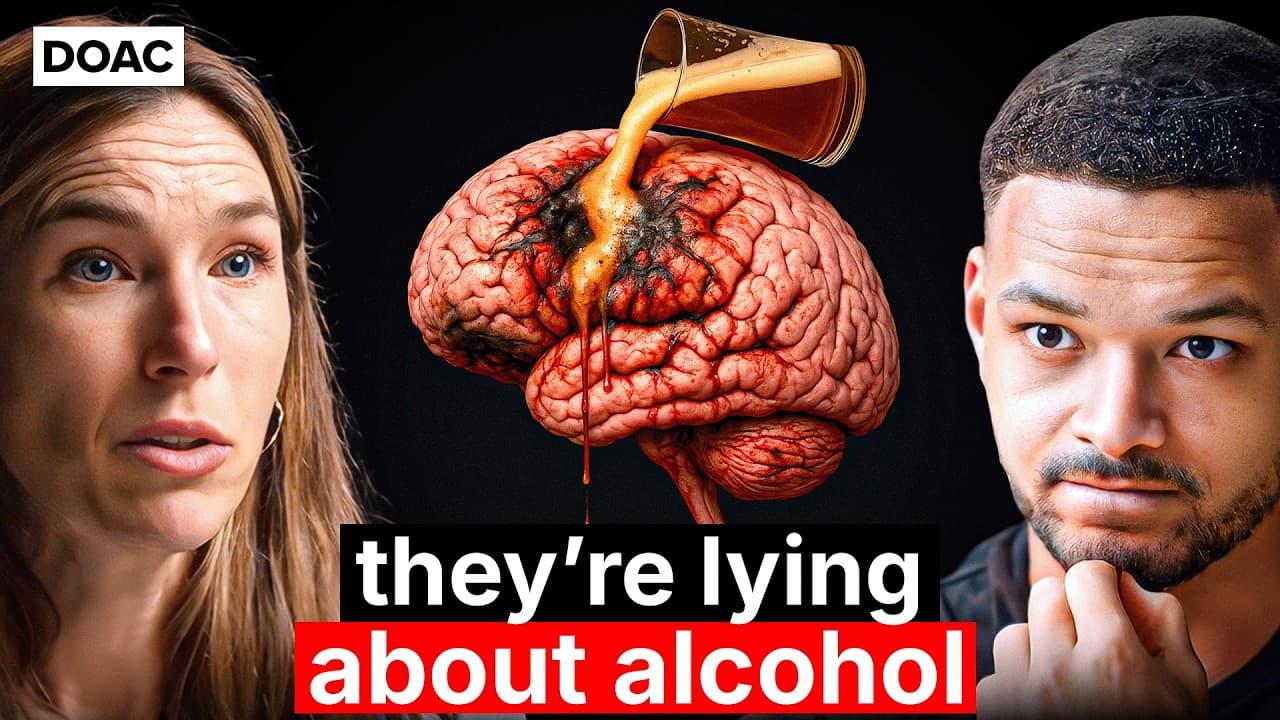
Alcohol can damage the brain and raise cancer risk even at moderate consumption levels. Dr. Sarah Wakeman explains that one daily glass of wine falls into a moderate-risk category, while breast cancer risk rises by about 5% at the amount discussed; addiction risk is also shaped by genetics and trauma. Read on to understand alcohol’s wider health effects and what effective addiction care requires.
Transcript
the amount of alcohol it takes to begin to cause health rellated problems is much lower than you think okay so if I have this glass of wine every day you'd be in what we call moderate risk which is associated with pretty much every form of cancer so say that I'm drinking If you're drinking two of those glasses we're talking like a 40% increase but ... Read More
Key Insights
- Alcohol consumption is linked to increased cancer risk, even at moderate levels.
- Moderate drinking is associated with brain damage, similar to early-onset dementia.
- Addiction is often misunderstood as a moral failing rather than a medical issue.
- Effective addiction treatment should combine empathy with evidence-based therapies.
- Trauma and genetics are significant factors in the development of addiction.
- The liver can regenerate but is vulnerable to damage from alcohol and obesity.
- A supportive, connected environment is crucial for addiction recovery.
- Psychedelic therapy shows promise in treating alcohol use disorders.
Install to Summarize YouTube Videos and Get Transcripts
Explore YouTube Video Summarizer or Get YouTube Transcript Extractor
Questions & Answers
Q: How does alcohol affect the brain and cancer risk?
Alcohol can cause brain damage over time and is associated with increased cancer risk even at moderate consumption levels. Dr. Sarah Wakeman describes a 43-year-old whose alcohol-related brain damage made the brain resemble that of a 90-year-old with dementia, and says the breast cancer risk rises by about 5% at the amount discussed.
Q: Is one glass of wine every day considered safe?
Dr. Wakeman places one daily glass of wine in a moderate-risk category rather than describing it as risk-free. She says this level is associated with cancer risk and emphasizes that the amount needed to begin causing health problems is lower than many people think.
Q: How much can alcohol increase cancer risk?
The transcript says drinking two of the glasses being discussed is associated with roughly a 40% increase, though it does not specify the particular outcome for that figure. It also states that the breast cancer risk increases by about 5% at the amount discussed and that greater consumption brings greater risk.
Q: What does alcohol do to mood and pain?
Alcohol activates the body’s natural painkiller system, which can provide temporary emotional or physical pain relief. Dr. Wakeman describes it as acting like an anti-anxiety and pain medication together, helping explain why some people turn to it despite harmful consequences.
Q: What factors contribute to addiction?
Studies discussed by Dr. Wakeman attribute about 40% to 60% of addiction risk to genetics, with trauma forming another major part of the picture. Social isolation and other environmental conditions can also worsen addiction, while supportive connection can aid recovery.
Q: How is addiction defined?
Dr. Wakeman defines addiction as continuing to use something despite harmful consequences. Its signs include loss of control, such as unsuccessfully trying to cut back or stop, and compulsive use that begins to spiral out of control.
Q: Why does traditional rehab often fail people with addiction?
Many rehabilitation programs do not offer the evidence-based treatments known to be effective. Dr. Wakeman also argues that treating addiction as bad behavior, weak willpower, or a criminal issue keeps people from receiving compassionate medical care.
Q: What does effective addiction treatment require?
Effective care combines compassion with evidence-based therapies and medications rather than relying only on short-term rehabilitation. Dr. Wakeman advocates bringing addiction care into the medical system so it becomes part of ordinary health care instead of a separate and often poorly delivered service.
Summary & Key Takeaways
-
Alcohol consumption, even at moderate levels, significantly increases the risk of various cancers and can lead to brain damage, similar to that seen in dementia. Dr. Sarah Wakeman emphasizes the importance of understanding these risks and rethinking the notion that moderate drinking is safe.
-
Addiction is often framed as a moral failing, but Dr. Wakeman argues for a shift towards understanding it as a medical issue. Effective treatments require a combination of empathy, evidence-based therapies, and medications, which are often lacking in traditional rehab settings.
-
Childhood trauma and genetics play a crucial role in the development of addiction. Recovery is more successful in supportive environments that foster connection, highlighting the importance of addressing the root causes and societal factors contributing to addiction.
Read in Other Languages (beta)
Share This Summary 📚
Summarize YouTube Videos and Get Video Transcripts with 1-Click
Try YouTube Summary with ChatGPT & Claude or YouTube Transcript Generator
Explore More Summaries from The Diary Of A CEO 📚






Summarize YouTube Videos and Get Video Transcripts with 1-Click
Try YouTube Summary with ChatGPT & Claude or YouTube Transcript Generator