How Does Green Chemistry Improve Timinin Production?
TL;DR
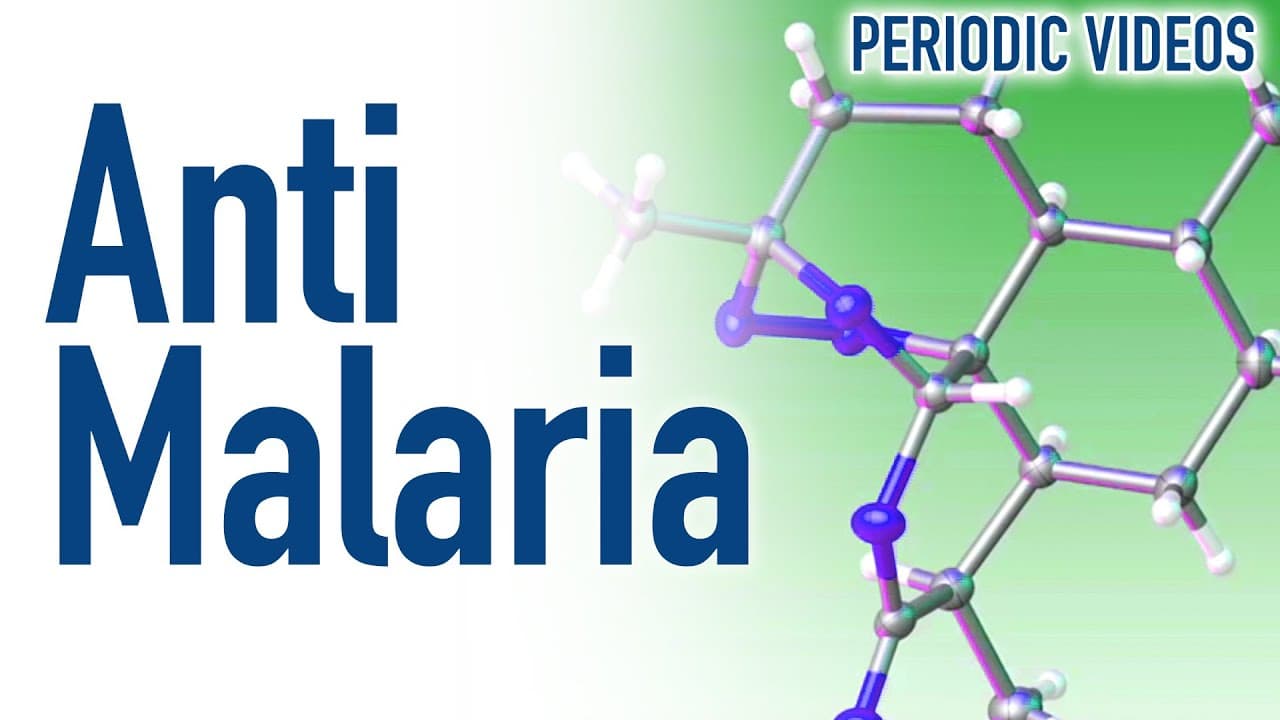
Green chemistry enhances Timinin production by developing safer and more efficient methods, such as using liquid CO2 and ethanol-water mixtures as solvents. These innovations reduce toxic chemicals and improve yield, helping to meet growing demands for this vital antimalarial drug. Understanding these processes also opens avenues for creating new derivatives to combat resistant malaria strains.
Transcript
I want to tell you about some research that my colleague Mike George and I have done on the antimalarial drug called timinin malaria is a truly Dreadful disease that kills huge numbers of people right across the planet and timinin is one of the most effective drugs at the moment against malaria and we've had funding from the Bill and Melinda Gates ... Read More
Key Insights
- 🧑⚕️ Malaria is a serious global health issue, emphasizing the importance of effective antimalarial treatments like Timinin.
- 🪡 Production efficiency and sustainability are crucial in ensuring a consistent supply of Timinin for those in need.
- 🪛 Collaborative efforts between researchers, funding foundations, and pharmaceutical companies drive innovation in drug development.
- 🤩 Chemical modifications and innovative processes are key to enhancing Timinin production and effectiveness against malaria parasites.
- 🤗 Understanding the chemistry behind Timinin opens up possibilities for creating new derivatives to counter resistant strains.
- 🥺 Research success can lead to rapid advancements in drug development and treatment options for malaria patients.
- 💦 Utilizing unconventional solvents like liquid CO2 and exploring unexpected reactions in water and ethanol can revolutionize drug production methods.
Install to Summarize YouTube Videos and Get Transcripts
Explore YouTube Video Summarizer or Get YouTube Transcript Extractor
Questions & Answers
Q: What is the impact of malaria on global health?
Malaria is a severe disease that causes numerous deaths worldwide by infecting red blood cells and causing a blockage in capillaries, leading to fatal outcomes if left untreated.
Q: How is Timinin extracted, and why is it not sufficient?
Timinin is extracted from Artemisia annua, a plant found in tropical regions. However, the plant's limited production capacity leads to challenges in obtaining enough material for drug production.
Q: What innovative methods are being explored for Timinin production?
Research involves modifying yeast to transform glucose into a precursor molecule for Timinin, streamlining the production process and making it more cost-effective.
Q: Why is the research focus on creating new derivatives of Timinin?
Some malarial parasites are developing resistance to Timinin, prompting the need for new derivatives to combat the evolving strains effectively.
Summary & Key Takeaways
-
Malaria is a deadly disease spread by mosquitoes, and Timinin is a crucial antimalarial drug.
-
Timinin is extracted from a plant called Artemisia annua and needs an efficient method of production.
-
Collaborative research aims to make Timinin production cheaper and more sustainable using innovative processes.
Read in Other Languages (beta)
Share This Summary 📚
Summarize YouTube Videos and Get Video Transcripts with 1-Click
Try YouTube Summary with ChatGPT & Claude or YouTube Transcript Generator
Explore More Summaries from Periodic Videos 📚
Summarize YouTube Videos and Get Video Transcripts with 1-Click
Try YouTube Summary with ChatGPT & Claude or YouTube Transcript Generator