What Are Common UFC Injuries and Their Treatments?
TL;DR
Common UFC injuries include hematomas, nasal fractures, and nerve damage, each requiring specific medical responses. Prompt treatment is crucial, as injuries can severely impact a fighter's performance and long-term health. Understanding injury mechanisms helps athletes manage risks and recovery, emphasizing the need for quick intervention to prevent lasting damage.
Transcript
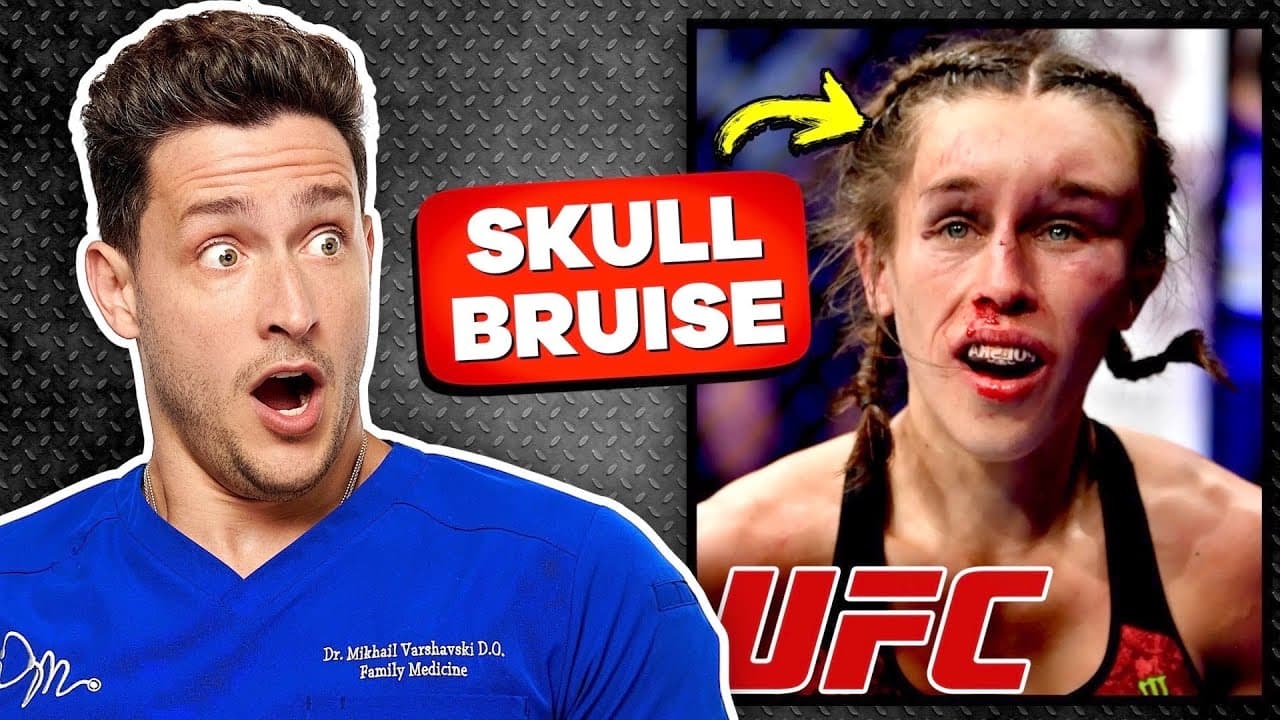
- We looked at injuries at almost every sporting league. You requested UFC. Let's get started. (dramatic music) He-whoop. - [Announcer] Now this is the shot that gave her the swelling. (doctor groans) And right after that right hand- - Right above the eyebrow.
- Of the champion, her forehead immediately started swelling up. - Oh, look at that. - [J... Read More
Key Insights
- 😣 UFC injuries can range from superficial hematomas to severe nasal and neurological trauma, highlighting the risks fighters face.
- 🦾 Understanding the mechanics of injuries, like nerve damage, emphasizes the importance of protective training and techniques.
- 🪪 The immediate identification of injury symptoms is vital for effective treatment and rehabilitation.
- 😷 Athletes often deal with injuries that could worsen if not properly managed, stressing the need for thorough medical evaluations.
- 😃 Eye injuries, such as detached retinas, require rapid medical responses to prevent lasting damage to a fighter’s vision.
- 🥺 Awareness of one's own physical limits is crucial; pushing through injuries can lead to career-ending conditions.
- 😷 Innovations in medical treatments provide new hope for athletes, allowing them to recover effectively while minimizing the risk of further injury.
Install to Summarize YouTube Videos and Get Transcripts
Explore YouTube Video Summarizer or Get YouTube Transcript Extractor
Questions & Answers
Q: What is a hematoma, and why is it critical to distinguish its location?
A hematoma is a collection of blood outside of blood vessels, often due to an injury. Its location matters because a superficial hematoma can be less dangerous, while one inside the skull can lead to increased pressure on the brain, requiring immediate medical intervention to prevent neurological damage.
Q: Why are nasal injuries concerning for fighters, and what can happen if not treated?
Nasal injuries can result in complicated conditions like nasal septal hematomas, which can obstruct breathing and necessitate urgent medical treatment. Failure to address these injuries can lead to long-term complications, including chronic nasal issues and structural deformities.
Q: What neurological issues can arise from blunt force impacts during fights?
Blunt force impacts can cause nerve damage, leading to temporary paralysis of the foot, a condition known as foot drop. This occurs when the common fibular nerve is compromised, affecting a fighter's ability to move and react properly, which jeopardizes their performance and increases the risk of falls and further injury.
Q: What is the significance of monitoring swelling after an injury, particularly in the UFC?
Monitoring swelling helps determine the extent of injury. X-rays often help identify broken bones, though MRIs are utilized for more subtle injuries such as stress fractures. Waiting for swelling to reduce before imaging ensures accurate diagnosis and treatment planning.
Q: How can trauma to the eye affect a fighter's vision and performance?
Eye trauma, such as a detached retina, can cause sudden vision loss, impacting a fighter's ability to see punches or respond during bouts. Urgent treatment is essential to restore vision, and fighters are advised against returning to the ring without clearance to avoid permanent damage.
Q: What role does pre-existing injury play in a fighter’s performance during a match?
Pre-existing injuries, such as stress fractures, can increase the risk of more severe injuries during competition. Fighters often push through these injuries, which can lead to significant damage and failure to perform at full capacity, ultimately affecting their career longevity.
Q: Why is immediate medical attention crucial for injuries sustained during a fight?
Immediate medical attention prevents further complications and ensures that injuries are assessed and treated promptly. Quick intervention can mitigate risks, improve recovery outcomes, and maintain the fighter's health, which is essential for their safety and future participation.
Q: What advancements in medical technology are aiding athlete recovery?
Innovations like ultrasound therapy show promise in accelerating the healing process of fractures and soft tissue injuries. Such technology has the potential to revolutionize recovery protocols for professional athletes, improving their ability to return to competitive form more quickly and safely.
Summary & Key Takeaways
-
The video delves into various UFC injuries, highlighting their nature, treatment, and potential outcomes, providing fans with a deeper understanding of the physical toll on fighters.
-
Medical experts explain the dangers of hematomas, nasal injuries, and nerve damage, and how these injuries can affect a fighter's performance and health long-term.
-
The analysis covers the nuances of recovery protocols, the importance of immediate medical responses, and the risks athletes face when pushing their bodies beyond safe limits.
Read in Other Languages (beta)
Share This Summary 📚
Summarize YouTube Videos and Get Video Transcripts with 1-Click
Try YouTube Summary with ChatGPT & Claude or YouTube Transcript Generator
Explore More Summaries from Doctor Mike 📚




Summarize YouTube Videos and Get Video Transcripts with 1-Click
Try YouTube Summary with ChatGPT & Claude or YouTube Transcript Generator