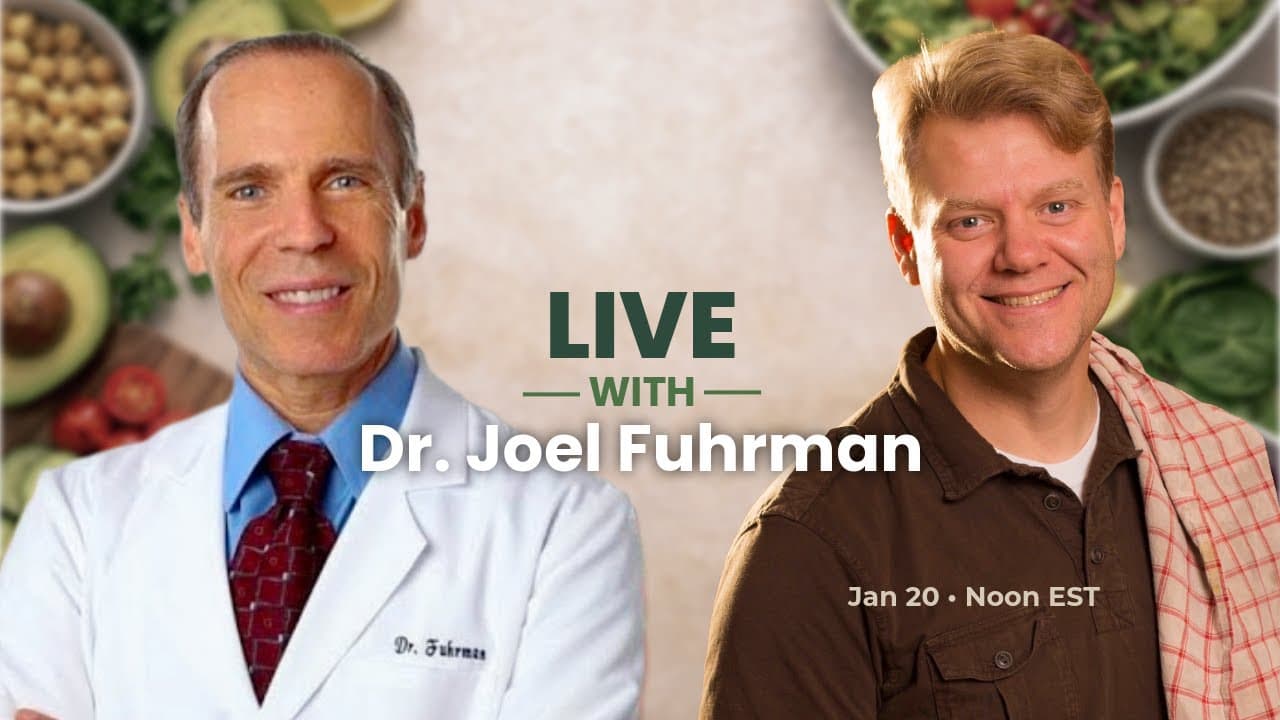
How to Achieve Optimal Health with Dr. Joel Fuhrman
TL;DR
Dr. Joel Fuhrman discusses the importance of nutrient-dense, plant-based eating for reversing chronic diseases and promoting long-term health. Emphasizing the role of green vegetables, he advocates for a diet rich in phytonutrients and proper supplementation. Fuhrman also highlights the need for individual caloric management to maintain a healthy body weight.
Transcript
[music] Welcome to the Shane and Simple live cast, where the food is plant-based, the humor is slightly unhinged, and Shane insists everything [music] is easy, even while setting off a smoke alarm. Expect real talk, real recipes, and zero pretense. This isn't polished, it's personal, [music] and it's exactly why people love him. Now, here's your ho... Read More
Key Insights
- Nutrient density is crucial for health, focusing on vitamins, minerals, and phytonutrients per calorie.
- Green vegetables, especially cruciferous ones, are vital for cancer prevention due to their isothiocyanides.
- A plant-based diet requires supplements like B12 and omega-3s for optimal health.
- Caloric intake should align with maintaining a healthy body weight, not just plant-based eating.
- Exercise, particularly impact exercises, is essential for preventing osteoporosis.
- Animal protein intake correlates with reduced lifespan, while plant protein intake correlates with increased lifespan.
- The body's self-healing potential is enhanced by a nutrient-rich diet, potentially reversing chronic diseases.
- Blended foods like smoothies may not provide the same health benefits as chewing whole foods due to differences in nutrient absorption.
Install to Summarize YouTube Videos and Get Transcripts
Explore YouTube Video Summarizer or Get YouTube Transcript Extractor
Questions & Answers
Q: How does a nutrient-dense diet promote health?
A nutrient-dense diet focuses on foods rich in vitamins, minerals, and phytonutrients per calorie, which support the immune system and prevent chronic diseases. Green vegetables, in particular, offer unique compounds like isothiocyanides that protect against cancer and promote longevity. This dietary approach emphasizes quality over quantity, ensuring the body receives essential nutrients for optimal function.
Q: Why are green vegetables considered essential in a healthy diet?
Green vegetables are essential due to their high content of isothiocyanides, which have powerful anti-cancer properties. These compounds help the body detoxify, repair DNA, and prevent abnormal cell replication. Additionally, greens provide sulfoquinos, which support gut health and immune function. Regular consumption of green vegetables is linked to increased lifespan and reduced disease risk.
Q: What supplements are recommended for a plant-based diet?
A plant-based diet often requires supplements such as vitamin B12 and omega-3 fatty acids (EPA and DHA) to address potential deficiencies. B12 is crucial for nerve function and blood health, while omega-3s support brain health and reduce inflammation. Additionally, some individuals may need zinc, iodine, and vitamin D supplements, depending on dietary intake and lifestyle factors.
Q: How does caloric intake affect weight loss on a plant-based diet?
Caloric intake must align with an individual's energy needs to achieve and maintain a healthy body weight. Even on a plant-based diet, consuming excess calories can prevent weight loss. Fuhrman suggests monitoring caloric intake to ensure it supports a healthy weight, emphasizing that nutrient density and caloric management are key to sustainable weight loss and overall health.
Q: What is the impact of animal protein on lifespan?
Studies show that higher animal protein intake is associated with a reduced lifespan, while increasing plant protein intake correlates with longer life. Plant proteins from sources like beans, nuts, and green vegetables provide essential nutrients and beneficial compounds that support health, whereas animal proteins may contribute to chronic disease risks and aging.
Q: How can osteoporosis be prevented through diet and lifestyle?
Osteoporosis prevention relies heavily on exercise, particularly weight-bearing and impact activities that strengthen bones and muscles. While a nutrient-rich diet supports bone health, exercise is the primary factor in maintaining bone density. Fuhrman advises against relying solely on calcium supplements and emphasizes a holistic approach combining diet, exercise, and potentially regenerative techniques.
Q: Why is chewing food important for nutrient absorption?
Chewing food thoroughly is crucial for nutrient absorption, especially for green vegetables. The process of chewing releases enzymes that form isothiocyanides in the mouth, enhancing their anti-cancer potential. Additionally, chewing mixes food with saliva, aiding digestion and nutrient uptake. Blended foods like smoothies may not provide the same benefits due to reduced enzymatic activity.
Q: How does Dr. Fuhrman suggest structuring meals for optimal health?
Dr. Fuhrman recommends structuring meals to include a large salad with a variety of greens, a bowl of vegetable bean soup, and a piece of fruit for lunch. Dinner should consist of cooked green vegetables and a plant protein source like beans or tofu. He advises avoiding food after 6 PM to allow for proper digestion before sleep, promoting overall health and weight management.
Summary & Key Takeaways
-
Dr. Joel Fuhrman emphasizes a nutrient-dense, plant-based diet for reversing chronic diseases and promoting longevity. He highlights the importance of green vegetables for their unique phytonutrients and recommends proper supplementation with B12 and omega-3s. Fuhrman also stresses the need for individual caloric management to achieve and maintain a healthy body weight.
-
Fuhrman discusses the detrimental effects of high animal protein intake on lifespan and the benefits of plant protein from sources like beans, nuts, and green vegetables. He advocates for a diet that prioritizes nutrient density over calorie counting and emphasizes the body's ability to self-heal through proper nutrition and lifestyle changes.
-
The conversation includes practical advice on meal structuring, the importance of chewing food well, and the role of exercise in preventing osteoporosis. Fuhrman encourages a balanced approach to health, combining dietary excellence with modern regenerative techniques to empower individuals to control their health destiny.
Read in Other Languages (beta)
Share This Summary 📚
Summarize YouTube Videos and Get Video Transcripts with 1-Click
Try YouTube Summary with ChatGPT & Claude or YouTube Transcript Generator