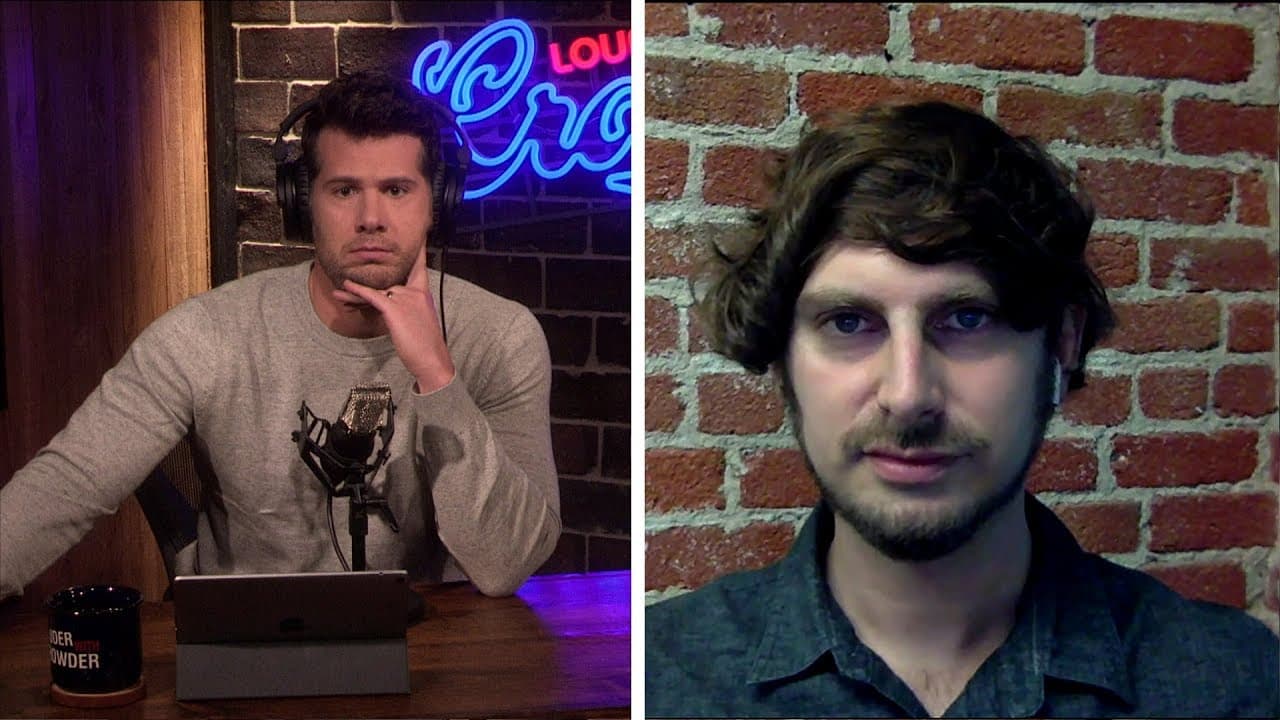
FREE SPEECH DEBATE: Crowder vs. TechCrunch’s Josh Constine | Louder With Crowder
TL;DR
Social networks can protect open expression while making targeted harassment harder by strengthening account enforcement and limiting repeat offenders. Josh Constine proposes tying accounts to phone numbers or using account age and prior reports as trust signals, while Steven Crowder argues that existing bans, blocks, and mutes already address misconduct without requiring broader speech restrictions.
Transcript
yes you don't want to use those services there is an open and unmediated internet that you are allowed to publish whatever you'd like on but you're gonna use the social network that's created by somebody else then you aren't beholden to their rules sure we see the issue here right you're the one who has a problem with their rules really glad to hav... Read More
Key Insights
- Private social networks are entitled to establish rules for speech on services they created, according to the discussion. Constine treats the dispute as a question of platform governance, while Crowder distinguishes that business authority from the constitutional protection of speech.
- Open publishing is different from directing repeated messages at a specific user, according to Constine. He argues that people should remain free to state beliefs on their profiles, but replies can place unwanted insults or harassment directly into another person's timeline.
- Harassment can silence participation by making users withdraw from discussion, according to Constine's central argument. A platform that invokes free speech while allowing persistent bullying may preserve the harasser's access but weaken the targeted person's practical willingness to speak.
- Blocking and muting are existing tools for avoiding unwanted speech, according to Crowder. He argues that nobody is forced to use a social network or listen to every user, so individual controls can address offensive expression without centralized restrictions.
- Replacement accounts can weaken bans because a suspended user may create another anonymous account, according to Constine. He compares this behavior to receiving repeated unwanted calls from changing phone numbers, where blocking each individual source does not stop the continuing pattern.
- Targeted threats, stalking, harassment campaigns, and calls for violent action already violate rules or laws, according to Crowder's argument. He maintains that stronger enforcement of defined offenses is different from expanding moderation into judgments about offensive beliefs or political perspectives.
- Phone-number registration could increase the difficulty of creating replacement accounts after a ban, according to Constine. He presents the requirement as one possible source of friction, not as the only available method for improving enforcement against recurring harassment.
- Account age and previous violation reports can serve as additional trust signals, according to Constine. These indicators could help platforms distinguish established users from newly created accounts or accounts showing patterns associated with repeated abuse.
Install to Summarize YouTube Videos and Get Transcripts
Explore YouTube Video Summarizer or Get YouTube Transcript Extractor
Questions & Answers
Q: How should social networks respond to targeted harassment?
Social networks should distinguish between users expressing beliefs on their own profiles and users repeatedly directing unwanted messages at specific people, according to Constine's position. He proposes stronger enforcement against repeat offenders, including phone-number registration, account-age requirements, and consideration of prior violation reports. Crowder responds that platforms should enforce existing prohibitions and preserve blocking and muting without broadening moderation into control over offensive viewpoints.
Q: What is the difference between free speech and platform rules?
The discussion distinguishes constitutional protection of a person's speech from a private platform's authority to govern its own service. Constine says Facebook and Twitter are not obligated to allow every form of speech and may adopt rules protecting users from harassment. Crowder agrees that businesses can make their own rules, but questions why the First Amendment is invoked when the practical dispute concerns private policies and enforcement.
Q: Why does Josh Constine say harassment can silence speech?
Constine argues that repeated insults and abuse can bully targeted users into becoming quiet, even when those users formally retain the ability to speak. His concern is especially focused on replies, where messages are directed into another person's timeline rather than merely published elsewhere. Under this view, an unrestricted environment can protect a harasser's access while discouraging the targeted person from participating in discussion.
Q: Why does Steven Crowder favor blocking and muting tools?
Crowder argues that users are not compelled to use social networks or listen to every person who addresses them. Blocking and muting allow individuals to avoid unwanted speech without requiring platform leaders to decide which opinions may be expressed. He treats these controls as evidence that offensive expression can be managed by users, while threats, stalking, and targeted harassment remain subject to existing prohibitions.
Q: Why can account bans fail to stop online harassment?
Account bans can fail when a user creates a replacement account and resumes the same conduct. Constine says anonymous account creation makes it possible for someone banned one day to return and harass the same person again. He therefore considers ordinary blocking inadequate against persistent evasion, because each new account must be identified and blocked before the targeted user receives relief.
Q: How could phone-number registration reduce repeat harassment?
Phone-number registration could tie account creation to a resource that is harder to replace than an anonymous username. Constine argues that this would increase friction for people attempting to create new harassment accounts after being banned. He presents the proposal as a way to make enforcement stick more effectively, while also mentioning account age and prior reports as possible alternative or additional signals.
Q: What conduct does Crowder say is already prohibited online?
Crowder identifies threats of serious bodily harm, calls for violent action, stalking, and continual targeted harassment as conduct already covered by rules or laws. His position is that creating another rule does not necessarily solve failures of enforcement. He warns that moving beyond clearly prohibited conduct toward broader regulation of offensive expression could turn platforms into authorities judging acceptable thoughts or political perspectives.
Q: What trust signals could platforms use besides phone numbers?
Constine suggests that platforms could examine how long an account has existed and whether it has previously been reported for violations. These signals could make immediate access more difficult for newly created replacement accounts and help identify patterns of misconduct. He offers them as additional ways to improve safety and enforcement, rather than claiming that phone-number registration is the only possible solution.
Summary
This video features a discussion about free speech and the responsibility of social media platforms to regulate and protect users from abuse and harassment. The guest, Josh Constine, argues that while free speech is important, social networks need to do more to protect people from harassment in replies. He suggests that there should be stricter rules and enforcement, such as requiring users to register their accounts to a phone number to prevent harassment. The host questions the need for new rules and raises concerns about giving too much power to humans to determine what is considered offensive speech. The discussion also touches on issues of privilege, race, and gender.
Questions & Answers
Q: Why does the guest argue that social networks need to do more to protect people from harassment in replies?
The guest believes that while free speech is important, social networks are not doing enough to protect users from abuse and harassment that occurs in direct replies. He argues that users should not be subject to abusive messages every time they open their social media accounts.
Q: What specific changes does the guest propose for social media platforms to promote safety?
The guest suggests that social media platforms should require users to register their accounts to a phone number, making it more difficult for individuals to create new accounts and continue harassment after being banned. He also mentions the importance of clear Terms of Service that dictate what is considered offensive and ban-worthy.
Q: How does the host challenge the guest's argument about the need for new rules?
The host argues that the current rules on social media platforms already prohibit abuse, stalking, and harassment. He questions the need for new rules and stricter enforcement, expressing concerns about giving too much power to humans to decide what constitutes offensive speech.
Q: What example does the guest use to demonstrate the need for improved rules on social media platforms?
The guest describes a scenario where a user is targeted with abusive and threatening messages, reports the offender, gets them banned, but then the offender creates a new account the next day to continue the abuse. He suggests that the current blocking and reporting options are ineffective in preventing repeated harassment.
Q: What is the host's argument against the guest's proposals for stricter rules and enforcement?
The host argues that social media platforms already have rules in place that prohibit abuse and harassment. He highlights the fact that these platforms are not the same as the open internet and users should be able to choose whether or not to use them. He believes that blocking and muting options provide sufficient control over who can interact with users.
Q: What issue of privilege does the guest discuss in relation to the rules on social media platforms?
The guest criticizes the manner in which some social media platforms determine what is considered abuse. He points out that certain groups, such as white men, are protected from abuse based on their race but that black children may not be afforded the same protection. The guest argues that these platforms need to improve their rules to address such issues of inequality.
Q: What is the host's disagreement with the guest's argument about privilege and the need for white men to take action?
The host disagrees with the guest's focus on race and gender in relation to abuse on social media platforms. He argues that abuse should be assessed based on the content rather than the race or gender of the individual. He asserts that systems of power and abuses of power can be more significant factors in determining the harm caused by abuse.
Q: What is the host's viewpoint on free speech and the regulation of online platforms?
The host emphasizes the importance of free speech and defends the right to express unpopular views without censorship. He argues that everyone should have the same freedom to express their opinions and that rules should not favor or discriminate against any particular group.
Q: Does the host and guest agree on the need for rules to prevent abuse on social media platforms?
The host and guest both agree that social media platforms should have rules in place to prevent abuse. However, they disagree on the extent to which new rules are necessary and how they should be enforced. The host believes that the current rules are sufficient, while the guest argues for stricter rules and enforcement.
Q: What is the main takeaway from the discussion?
The main takeaway is that while free speech is important, there is a need to protect users from abuse and harassment on social media platforms. The debate centers around the extent to which new rules should be implemented and how they should be enforced. The discussion also addresses issues of privilege, race, and gender in relation to online abuse.
Summary & Key Takeaways
-
Josh Constine argues that open expression and civil discussion can conflict when replies are used for repeated insults or harassment. He distinguishes publishing beliefs on one's own profile from directing unwanted messages at another person, and says weak enforcement can let harassers pressure users into withdrawing from public conversation.
-
Steven Crowder separates constitutional free speech from the policies of private social networks. He emphasizes that users voluntarily enter these platforms and can block or mute unwanted accounts. He argues that threats, stalking, targeted harassment, and calls for violence are already prohibited, so additional restrictions risk expanding beyond identifiable misconduct.
-
The discussion turns to enforcement against users who evade bans by creating replacement accounts. Constine proposes requiring a phone number, considering account age, and checking prior reports to increase friction. Crowder acknowledges repeat-account harassment but challenges whether new controls are necessary when the underlying conduct already violates existing platform rules.
Read in Other Languages (beta)
Share This Summary 📚
Summarize YouTube Videos and Get Video Transcripts with 1-Click
Try YouTube Summary with ChatGPT & Claude or YouTube Transcript Generator
Explore More Summaries from Crowder DEBATES! 📚


Summarize YouTube Videos and Get Video Transcripts with 1-Click
Try YouTube Summary with ChatGPT & Claude or YouTube Transcript Generator