How To Be #1 In Your Industry | Lessons From MrBeast, Zoom & Peloton w/ Christopher Lochhead (#74)
TL;DR
Success comes from being different, not better.
Transcript
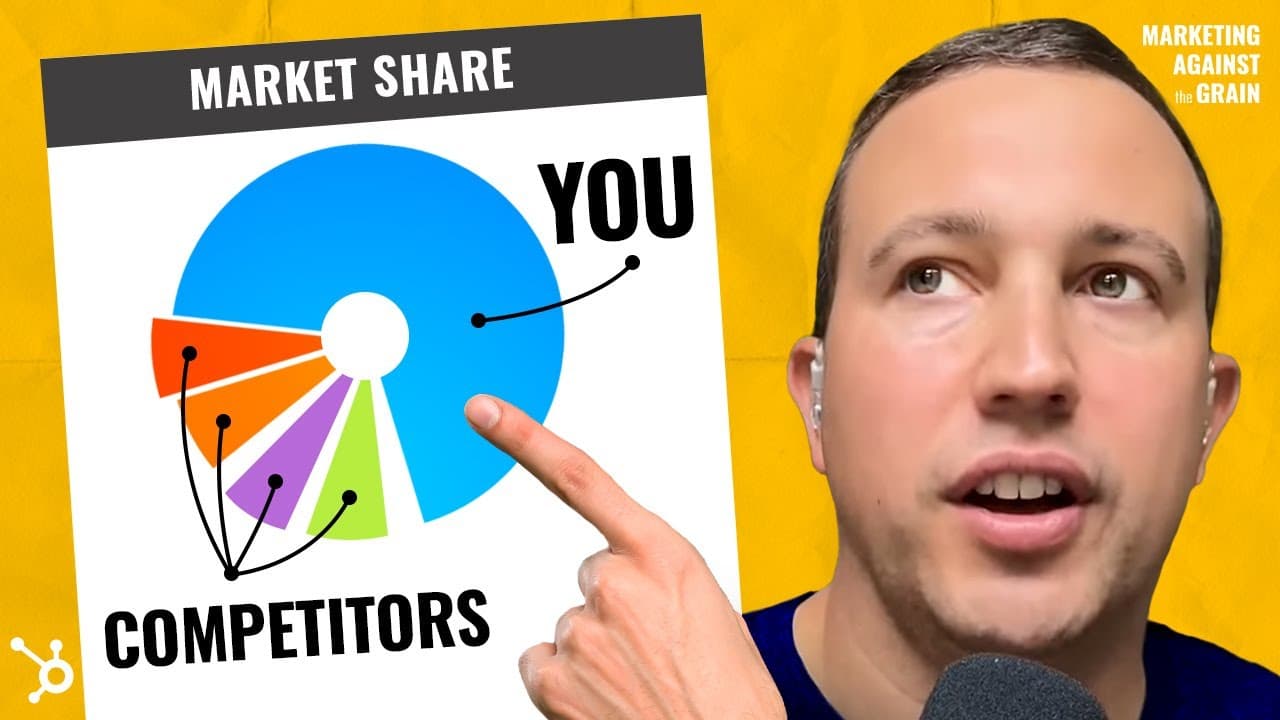
- There's roughly 30,000 marketing strategy books on Amazon. And if you read all of them, we haven't read all of them, but between me, Cole, and Eddie, my partners, we've read most of the important ones. The premise in virtually all of them is there is a market and we are going to attack, compete or disrupt this existing market with our better prod... Read More
Key Insights
- Most companies fail because they focus on competing in existing markets rather than creating new categories.
- Category design is a strategy that allows companies to create a unique market space they can dominate.
- The rise of influencers makes category design even more important, as differentiation is key to standing out.
- Many people misunderstand personal branding; it should not be about turning oneself into a product.
- Comparison marketing often backfires by reinforcing the competitor's position rather than elevating one's brand.
- Successful category designers evangelize the problem and solution, positioning themselves as market leaders.
- Content creators should focus on quality and differentiation rather than just building a large audience.
- True innovation comes from connecting radical differentiation to customer needs, creating new market categories.
Install to Summarize YouTube Videos and Get Transcripts
Explore YouTube Video Summarizer or Get YouTube Transcript Extractor
Questions & Answers
Q: Why do most companies fail according to Christopher Lochhead?
Christopher Lochhead argues that most companies fail because they focus on competing in existing markets with better products and brands, rather than creating new categories. This strategy leads to high failure rates as it doesn't differentiate the company enough to capture significant market share. Instead, successful companies design and dominate new categories, capturing the majority of the market value.
Q: How does the rise of influencers impact category creation?
The rise of influencers makes category creation more important, according to Lochhead. While influencers have large audiences, the key to success lies in differentiation. Influencers like Mr. Beast succeed because they create unique categories of content and business models. This differentiation allows them to stand out and capture market share, demonstrating that category design is crucial in a crowded digital landscape.
Q: What is Christopher Lochhead's view on personal branding?
Christopher Lochhead is critical of the concept of personal branding, viewing it as a myth that turns individuals into products. He believes that personal branding focuses too much on vanity metrics and audience size rather than creating real value. Instead, Lochhead advocates for building a reputation based on genuine differentiation and meaningful impact, which aligns with the principles of category design.
Q: Why does Christopher Lochhead dismiss comparison marketing?
Lochhead dismisses comparison marketing because it often reinforces the competitor's position rather than elevating one's brand. By comparing themselves to market leaders, companies inadvertently promote the leader's brand. Instead, Lochhead advocates for category-to-category comparison, where companies create new categories and demonstrate why their solution is fundamentally different and better suited to customer needs.
Q: How does category design relate to customer needs?
Category design focuses on identifying and addressing unmet customer needs by creating new market categories. This approach connects radical differentiation to customer problems, offering unique solutions that resonate with the market. By evangelizing the problem and solution, category designers position themselves as leaders, capturing significant market value and driving customer loyalty.
Q: What role does content quality play in category design?
Content quality is crucial in category design, as it helps differentiate a brand and establish its authority in a new market category. Lochhead criticizes the focus on content quantity and audience size, arguing that true success comes from creating valuable, unique content that addresses specific customer needs. This approach builds a loyal audience and positions the brand as a leader in its category.
Q: What is the 'dam the demand' strategy?
The 'dam the demand' strategy involves redirecting existing demand from established categories to a new category created by the company. This approach positions the new category as a superior alternative, addressing customer pain points and offering a better solution. Companies like Peloton have successfully used this strategy by emphasizing the convenience and benefits of their products over traditional alternatives.
Q: How do successful category designers position themselves as market leaders?
Successful category designers position themselves as market leaders by evangelizing the problem and solution associated with their new category. They create compelling narratives that highlight the unique benefits of their category, capturing customer interest and loyalty. By focusing on differentiation and addressing unmet needs, these designers establish their brands as the go-to solutions, capturing the majority of market value.
Summary & Key Takeaways
-
Christopher Lochhead argues that most companies fail because they focus on competing in existing markets instead of creating new categories. Category design is a strategy that empowers leaders to create a different future by becoming known for a category they own. This approach contrasts with traditional marketing strategies that emphasize being better within existing markets.
-
The rise of influencers and individual brands highlights the importance of differentiation in today's market. Lochhead asserts that personal branding, often misunderstood, should not be about turning oneself into a product. Instead, companies and individuals should focus on creating unique value propositions that stand out in the market.
-
Comparison marketing is often ineffective because it inadvertently promotes the competitor's brand. Successful category designers focus on evangelizing the problem and solution, positioning themselves as leaders in a new market category. This approach allows them to capture the majority of the market value, as seen in successful companies like Zoom and Peloton.
Read in Other Languages (beta)
Share This Summary 📚
Summarize YouTube Videos and Get Video Transcripts with 1-Click
Try YouTube Summary with ChatGPT & Claude or YouTube Transcript Generator
Explore More Summaries from Marketing Against the Grain 📚





Summarize YouTube Videos and Get Video Transcripts with 1-Click
Try YouTube Summary with ChatGPT & Claude or YouTube Transcript Generator