Why Good Governance Is So Rare
TL;DR
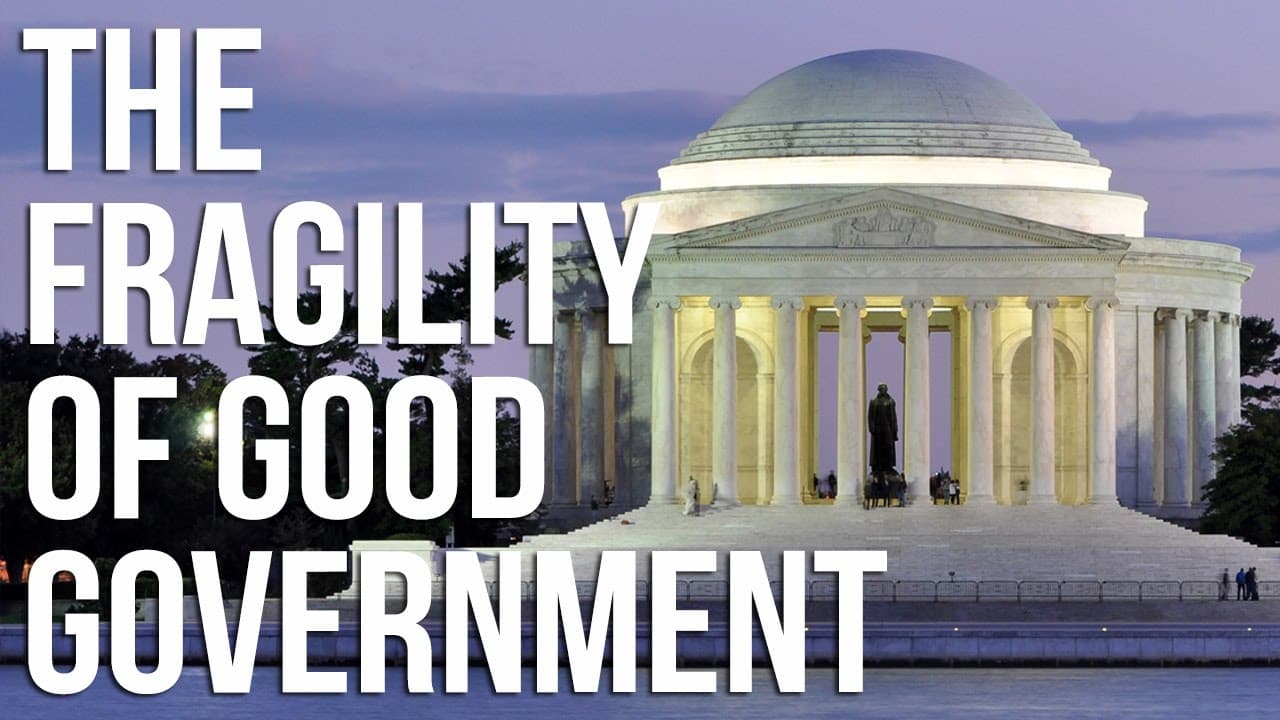
Good governance is an extremely rare privilege that many mistakenly view as the norm. The video explores humanity’s darker tendencies, highlighting the importance of facing potential societal disasters rather than being naively optimistic. It calls for a realistic understanding of human nature and a commitment to strategic renewal of governance.
Transcript
it's an enormous and very rare privilege to have lived in the days of good government across nations and centuries few people have ever done so by a rare bit of of luck certain groups in a few corners of the globe tasted decades of this remarkable anomalous blessing they might foolishly especially if they traveled little seldom read history books o... Read More
Key Insights
- 👋 Good governance is historically rare and should not be taken for granted, as most societies revert to authoritarian practices.
- 🥺 The tendency to assume that good governance is natural can lead to dangerous underestimation of potential societal setbacks.
- ⌛ Optimism in times of crisis may distract from the need for realistic preparation for adversity.
- 😀 Acknowledging humanity's flaws can promote resilience and adaptability in the face of overwhelming odds.
- 🍝 Historical awareness is critical to avoid repeating the mistakes of the past regarding governance and societal wellbeing.
- 🔃 Striving for a more tolerant and wise society requires continuous effort and strategic planning rather than impulsive actions.
- ❓ Human nature combines kindness with darker instincts, necessitating a balanced understanding when approaching governance.
Install to Summarize YouTube Videos and Get Transcripts
Explore YouTube Video Summarizer or Get YouTube Transcript Extractor
Questions & Answers
Q: Why does the author believe good governance is a rare privilege?
The author asserts that only a few societies have truly enjoyed prolonged periods of good governance, often due to historical luck. Most nations tend to fall into authoritarianism and corruption, making the acknowledgment of good governance's rarity essential to understanding political history and societal progress.
Q: What does the author mean by "sliding into a new age of darkness"?
The phrase signifies a return to more authoritarian and oppressive governance models, reflecting a societal regression. The author suggests that optimism may blind individuals to this decline, urging a more realistic perspective that recognizes the fragility of civilized governance against the backdrop of human nature's darker impulses.
Q: How does Stoic philosophy relate to the content's theme?
Stoic philosophy is invoked to illustrate how individuals can find peace in troubling times. The mention of Stoics highlights the need for calmness amidst chaos and the ability to confront harsh realities, reinforcing the idea that resilience and philosophical reflection are necessary in facing potential societal breakdowns.
Q: What is the warning given about human nature in the text?
The author warns that while humans can be generous and kind, they are also susceptible to delusions, tribalism, and aggression. This duality serves as a reminder that our better instincts often coexist with a capacity for violence, emphasizing the need for awareness of these darker facets of humanity in governance and society.
Summary & Key Takeaways
-
The text highlights that living under good governance is a rare and privileged experience, often mistaken for a norm by those unfamiliar with historical struggles.
-
It discusses the regression towards darker societal tendencies, emphasizing the importance of confronting potential catastrophes rather than remaining in naive optimism.
-
The author advocates for a pragmatic approach to governance and human behavior, urging the recognition of humanity's flaws and the need for resilient, thoughtful action moving forward.
Read in Other Languages (beta)
Share This Summary 📚
Summarize YouTube Videos and Get Video Transcripts with 1-Click
Try YouTube Summary with ChatGPT & Claude or YouTube Transcript Generator