What Are the Best CSS Frameworks to Use in 2023?
TL;DR
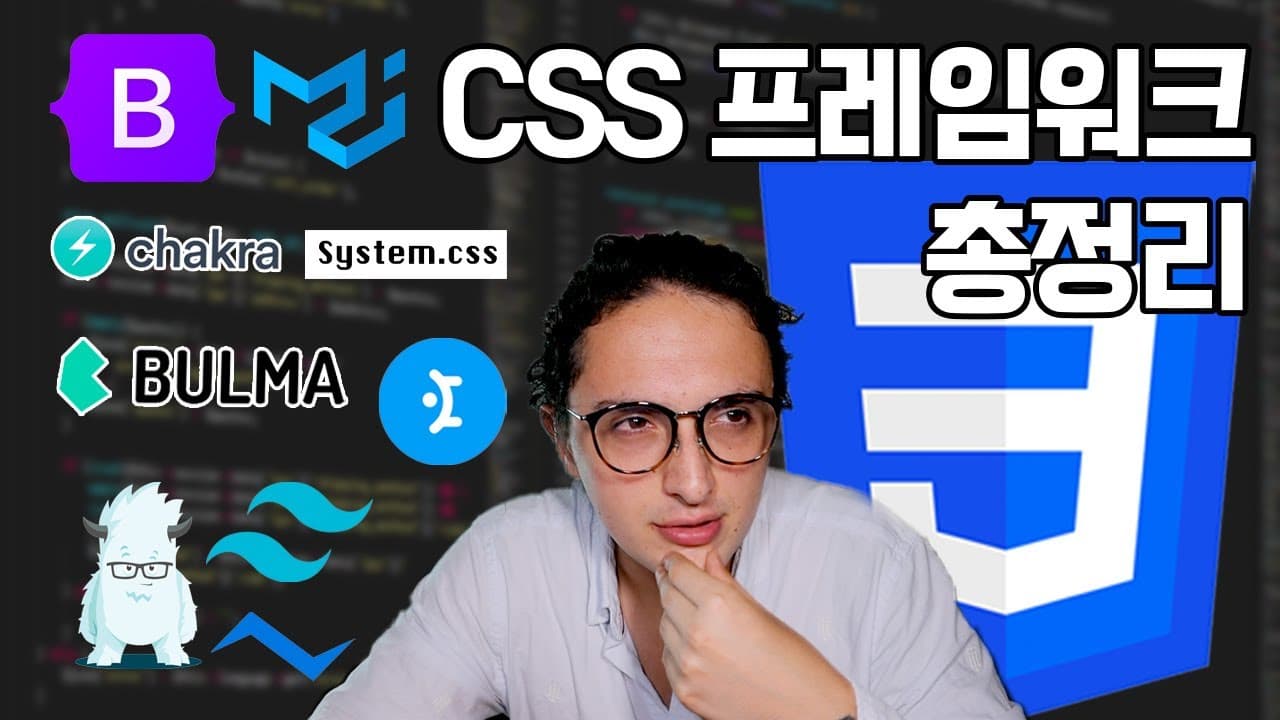
The best CSS frameworks in 2023 include general purpose options like Bootstrap and Foundation, utility-based frameworks such as Tailwind CSS, classless frameworks like Water CSS, specialized frameworks including Materialize, and lightweight choices like Joda. React-specific frameworks like Chakra UI and Material UI are also popular for their pre-built components and ease of use in React applications.
Transcript
today we're going to take a look at some of the coolest and most useful CSS Frameworks that you need to know about we will take a look at Frameworks on different categories like general purpose Frameworks utility based Frameworks classless Frameworks specialized framework super lightweight Frameworks and finally react UI Frameworks if you don't kno... Read More
Key Insights
- 🌟 CSS frameworks are collections of pre-made components or utilities that can help speed up web development projects. They include general purpose, utility-based, classless, specialized, and super lightweight frameworks.
- 🔧 General purpose frameworks like Bootstrap and Foundation offer a wide range of pre-designed components, making them popular choices for quick prototyping. However, websites built with these frameworks may end up looking similar unless customized.
- 💡 Bulma is a lightweight CSS framework based on flexbox with a clean syntax and good documentation. It's easy to learn, customizable, and doesn't have as many pre-designed components as Bootstrap or Foundation.
- 🔀 Utility-based frameworks like Tailwind CSS, Open Props, and Base CSS provide a set of small, single-purpose classes that can be combined to create unique designs. Tailwind CSS, with its comprehensive utility classes, is especially popular and offers a just-in-time compiler.
- ⚙️ Classless frameworks, such as Water CSS and MVP.CSS, apply styles directly to HTML elements, making them ideal for simple projects and quick prototypes. These frameworks automatically make your page look great once their CSS files are imported.
- 🎨 Specialized frameworks like Materialize, CSS, Nest CSS, and PS1 CSS offer specific design styles and components. Materialize implements Google's material design, CSS builds retro Apple-inspired interfaces, Nest CSS mimics the Nintendo Entertainment System style, and PS1 CSS replicates the PlayStation 1 look.
- ⚡ Super lightweight frameworks like Joda and Pico CSS prioritize speed and simplicity. Joda provides grids, CSS variables, buttons, and more in only 3 KB of CSS, while Pico CSS is almost classless and easy to use.
- 🔌 React UI frameworks, such as Chakra UI, Mantine, Alibaba Design, Material UI, and Next UI, come with pre-built components specifically for React. Chakra UI and Mantine abstract JavaScript logic, Alibaba Design is tailored for enterprise-level applications, Material UI follows Google's material design, and Next UI has a clean modern design with dark mode support.
- 💻 Learning resources for CSS frameworks, JavaScript, Python, React, and more are available for free through links provided. Share your favorite frameworks in the comments and discover new ones mentioned by others.
Install to Summarize YouTube Videos and Get Transcripts
Explore YouTube Video Summarizer or Get YouTube Transcript Extractor
Questions & Answers
Q: What is the difference between general purpose frameworks and utility-based frameworks?
General purpose frameworks like Bootstrap and Foundation provide a comprehensive set of pre-designed components for building websites, while utility-based frameworks like Tailwind CSS and Open Props offer small, single-purpose classes that can be combined to create custom designs.
Q: What are some examples of specialized CSS frameworks?
Materialize is a specialized framework that implements Google's material design system, CSS is a framework for retro Apple-inspired interfaces, Nest CSS provides elements with the style of the Nintendo Entertainment System, and 98 CSS and XP CSS offer components that resemble Windows 98 and Windows XP, respectively.
Q: How do classless frameworks differ from other CSS frameworks?
Classless frameworks like Water CSS and MVP.css don't require predefined class names and instead apply styles directly to HTML elements, making them suitable for simple projects and quick prototypes without the need for extensive customization.
Q: Which super lightweight frameworks are recommended for small projects or fast-loading websites?
Joda and Pico CSS are both super lightweight frameworks that provide essential components with minimal file size and are ideal for small projects or creating fast-loading websites.
Summary & Key Takeaways
-
CSS frameworks are collections of pre-made components and utilities that make web development faster and easier.
-
General purpose frameworks like Bootstrap and Foundation provide a wide range of pre-designed components for building websites.
-
Utility-based frameworks like Tailwind CSS, Open Props, and Base CSS offer small single-purpose classes that can be combined to create unique designs.
-
Classless frameworks like Water CSS and MVP.css apply styles directly to HTML elements, making them ideal for simple projects.
-
Specialized frameworks like Materialize and Nest CSS focus on specific design systems, while super lightweight frameworks like Joda and Pico CSS provide essential components with minimal file size.
-
React UI frameworks like Chakra UI, Mantine, Ant Design, Material UI, and Next UI offer pre-built components and JavaScript logic for React applications.
Read in Other Languages (beta)
Share This Summary 📚
Summarize YouTube Videos and Get Video Transcripts with 1-Click
Try YouTube Summary with ChatGPT & Claude or YouTube Transcript Generator
Explore More Summaries from 노마드 코더 Nomad Coders 📚






Summarize YouTube Videos and Get Video Transcripts with 1-Click
Try YouTube Summary with ChatGPT & Claude or YouTube Transcript Generator