What Are the Worst Pixar Ripoffs?
TL;DR
Numerous animation studios have created blatant ripoffs of popular Pixar films, often with subpar animation and storytelling. These mockbusters attempt to capitalize on Pixar's success by mimicking their stories and characters, but they usually fall short in quality. Despite their poor reception, some of these films have gained a following in certain markets.
Transcript
if there's one thing that Disney knows it is the power of a trusted brand aside from shelling out billions of dollars to purchase the PowerHouse Star Wars and Marvel Cinematic Universe franchises Disney has long had a relationship with Pixar which became a subsidiary in 2006 but if you're not Disney and cannot rely on your vast stable of original c... Read More
Key Insights
- Disney's acquisition of Pixar in 2006 solidified its dominance in high-quality animated films.
- Mockbusters are low-budget films that imitate successful movies to capitalize on their popularity.
- Super K and Kiara the Brave are two unrelated films marketed as ripoffs of Pixar's Brave.
- A Car's Life and The Little Cars are blatant imitations of Pixar's Cars franchise.
- Ratatouing is a poorly animated ripoff of Ratatouille, featuring mice instead of humans.
- Wings is a mockbuster of Disney's Planes, notable for its relatively better animation and voice acting.
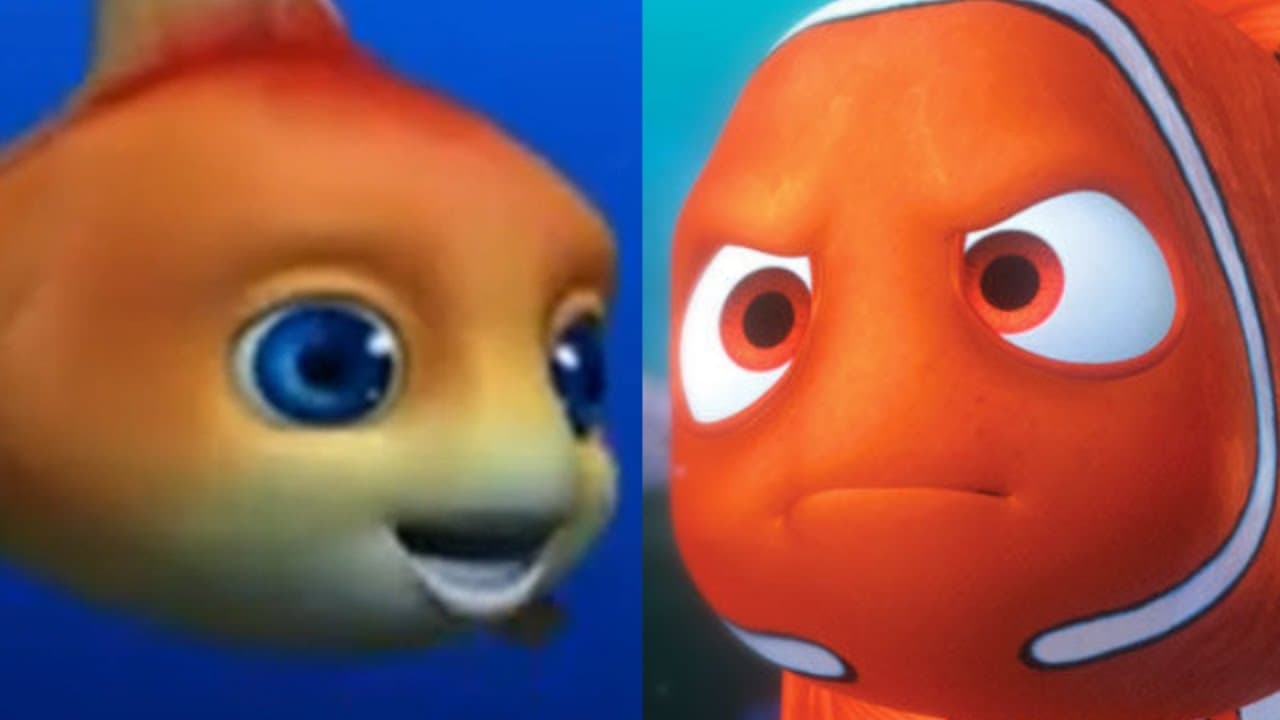
- Shark Bait borrows elements from Finding Nemo and other ocean-themed films.
- Tiny Robots is a substandard imitation of Pixar's Wall-E, lacking in animation quality and plot coherence.
Install to Summarize YouTube Videos and Get Transcripts
Explore YouTube Video Summarizer or Get YouTube Transcript Extractor
Questions & Answers
Q: What is a mockbuster?
A mockbuster is a low-budget film that imitates a popular movie, often released around the same time to capitalize on its success. These films usually have similar titles, themes, or plots but are produced with significantly lower quality in terms of animation, acting, and storytelling.
Q: How does Kiara the Brave relate to Pixar's Brave?
Kiara the Brave is marketed as a ripoff of Pixar's Brave, though it shares little resemblance to the original film. It was originally an Indian superhero film titled Super K, featuring a red-headed princess named Kiara. The film was rebranded with cover art emphasizing Kiara to mislead audiences into thinking it was related to Brave.
Q: Why do studios produce mockbusters?
Studios produce mockbusters to exploit the popularity of successful films, hoping to draw in audiences seeking similar content. By mimicking the titles, themes, or plots of popular movies, these low-budget films aim to generate quick profits despite their inferior quality.
Q: What is Ratatouing?
Ratatouing is a low-quality animated film that attempts to rip off Pixar's Ratatouille. Instead of a rat assisting a human chef, the film features a mouse who owns a restaurant for other mice. The animation and storytelling are subpar, making it a poor imitation of the original movie.
Q: How does Wings compare to Disney's Planes?
Wings is a mockbuster of Disney's Planes, produced by Lion's Gate. While it does not match the quality of Pixar's animation, Wings is considered the 'Ferrari' of animated mockbusters due to its relatively better animation and recognizable voice talents, such as Hillary Duff and Rob Schneider.
Q: What elements does Shark Bait borrow from other films?
Shark Bait borrows elements from several popular films, including Finding Nemo, The Little Mermaid, and Shark Tale. The story follows an orange fish searching for its parents, accompanied by a goofy blue fish, similar to the plot of Finding Nemo. Despite its $10 million budget, the film's animation quality is poor.
Q: What is Tiny Robots?
Tiny Robots is a mockbuster that imitates Pixar's Wall-E. The film features simplistic character designs and backgrounds that lack the polish and coherence of the original. The plot is unclear, and the animation is substandard, making it a poor imitation of the Pixar classic.
Q: Why do mockbusters often face legal threats?
Mockbusters often face legal threats because they imitate the titles, themes, or plots of popular films, potentially causing brand confusion and infringing on intellectual property rights. Studios like Disney, which own the original content, may threaten legal action to protect their brand and prevent consumer deception.
Summary & Key Takeaways
-
Disney's relationship with Pixar has led to a series of high-quality animated films. However, lesser-known studios have produced mockbusters, imitating Pixar's successful movies with poor animation and storytelling. These films often target unsuspecting audiences seeking familiar content.
-
Mockbusters like Super K, A Car's Life, and Ratatouing attempt to replicate the success of Pixar's films. Despite their low quality, they sometimes achieve popularity in specific markets, highlighting the demand for animated content.
-
While these ripoffs fail to match Pixar's storytelling and animation standards, they reveal the influence and reach of Pixar's original works. The mockbusters often result in legal threats from Disney, though few lead to actual lawsuits.
Read in Other Languages (beta)
Share This Summary 📚
Summarize YouTube Videos and Get Video Transcripts with 1-Click
Try YouTube Summary with ChatGPT & Claude or YouTube Transcript Generator
Explore More Summaries from blameitonjorge 📚
Summarize YouTube Videos and Get Video Transcripts with 1-Click
Try YouTube Summary with ChatGPT & Claude or YouTube Transcript Generator