What Are the Ethical Issues of Genetic Engineering and Disability Rights?
TL;DR
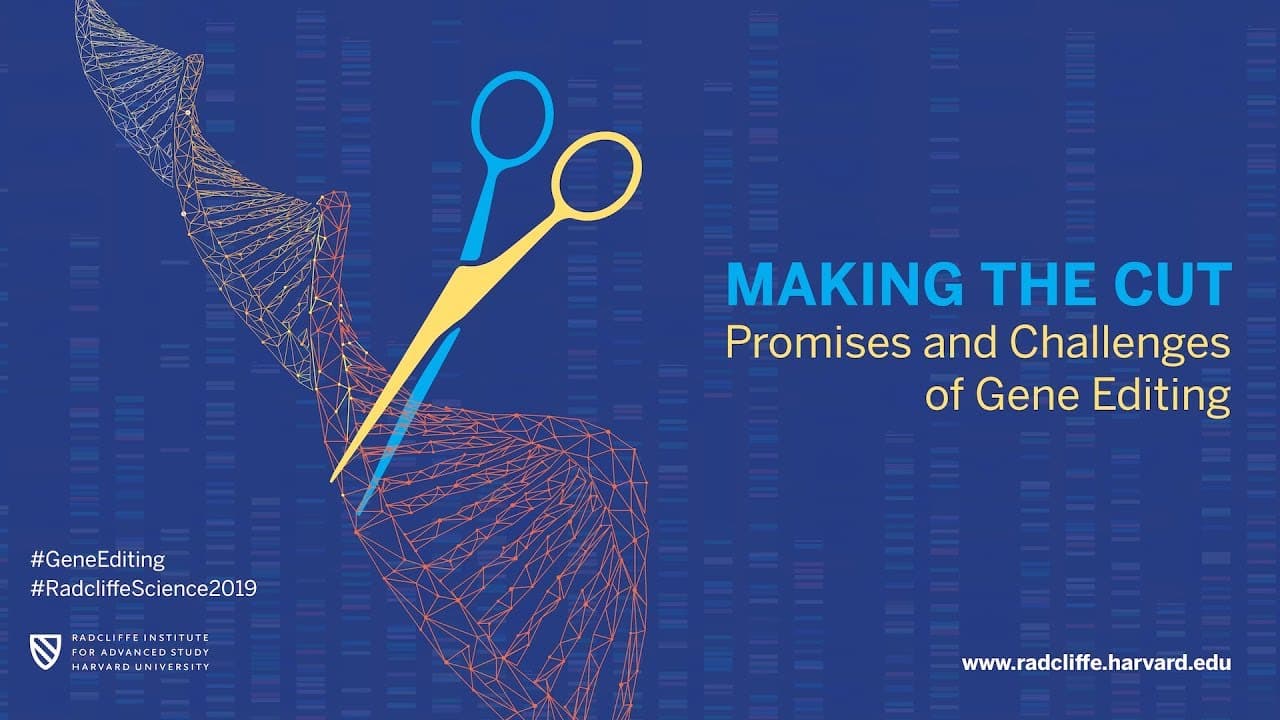
The rise of genetic engineering technologies poses ethical challenges regarding disability rights and human diversity. While modern liberal societies strive for justice and inclusion for people with disabilities, these technologies also promote eugenics that may lead to the selection against disabilities. This juxtaposition raises critical concerns about the moral implications of reducing human variation and disregarding the value of diversity.
Transcript
- Welcome back, everyone, from lunch. I will introduce the first session in the afternoon, which is case studies, engineering, and disability rights. And for this session, Pilar Ossorio, who is a professor of law and Bioethics at the University of Wisconsin, Madison, and bioethics scholar in residence at the Bioethics Program, lead at the Morgridge... Read More
Key Insights
- 👨⚖️ Modern liberal societies aim to ensure equality, justice, and inclusion for people with disabilities.
- 🗯️ The Disability Rights Movement and related covenants advocate for the rights and flourishing of people with disabilities.
- 🤨 Liberal eugenics and genetic engineering raise ethical dilemmas by reducing human diversity and potentially eliminating disabilities.
- ❓ The social context influences the governance of gene editing, as different countries have different priorities and cultural concerns.
Install to Summarize YouTube Videos and Get Transcripts
Explore YouTube Video Summarizer or Get YouTube Transcript Extractor
Questions & Answers
Q: What are the main criteria for determining whether germline gene editing is acceptable?
The criteria include ensuring that other methods of genetically related children are not available, restricting germline editing to serious diseases with proven causality, and abiding by ethical and regulatory frameworks.
Q: How does the current social context affect the governance of gene editing?
The global use of gene editing raises issues about negotiating governance across national boundaries, as different countries have diverse priorities, cultural concerns, and considerations of human variation.
Q: What are the potential risks of liberal eugenics and genetic engineering?
Liberal eugenics reduces human variation and social tolerance for disabilities, potentially leading to a standardized society. Genetic engineering technologies, such as selective genetic testing and screening, can contribute to this reduction of diversity.
Summary & Key Takeaways
-
Modern liberal societies offer opportunities for people with disabilities to flourish and have a high quality of life.
-
The Disability Rights Movement and various civil and human rights covenants support equality, justice, and inclusion for people with disabilities.
-
Genetic engineering and the concept of liberal eugenics pose ethical challenges as they enable the selection against disabilities and reduce human diversity.
Read in Other Languages (beta)
Share This Summary 📚
Summarize YouTube Videos and Get Video Transcripts with 1-Click
Try YouTube Summary with ChatGPT & Claude or YouTube Transcript Generator
Explore More Summaries from Harvard University 📚


Summarize YouTube Videos and Get Video Transcripts with 1-Click
Try YouTube Summary with ChatGPT & Claude or YouTube Transcript Generator