Vaccine side effects are actually a good thing
TL;DR
Vaccine side effects indicate a strong immune response.
Transcript
This is every step in the process of developing a vaccine: from development in the lab, testing, approval, manufacturing... all the way to getting it to millions of people. But arguably the most important part is here: in the human trials. Where the vaccine is tested on real people, in three main phases, starting with just a small group of people,... Read More
Key Insights
- Vaccine development involves multiple phases, with human trials being crucial for assessing safety and effectiveness across large groups.
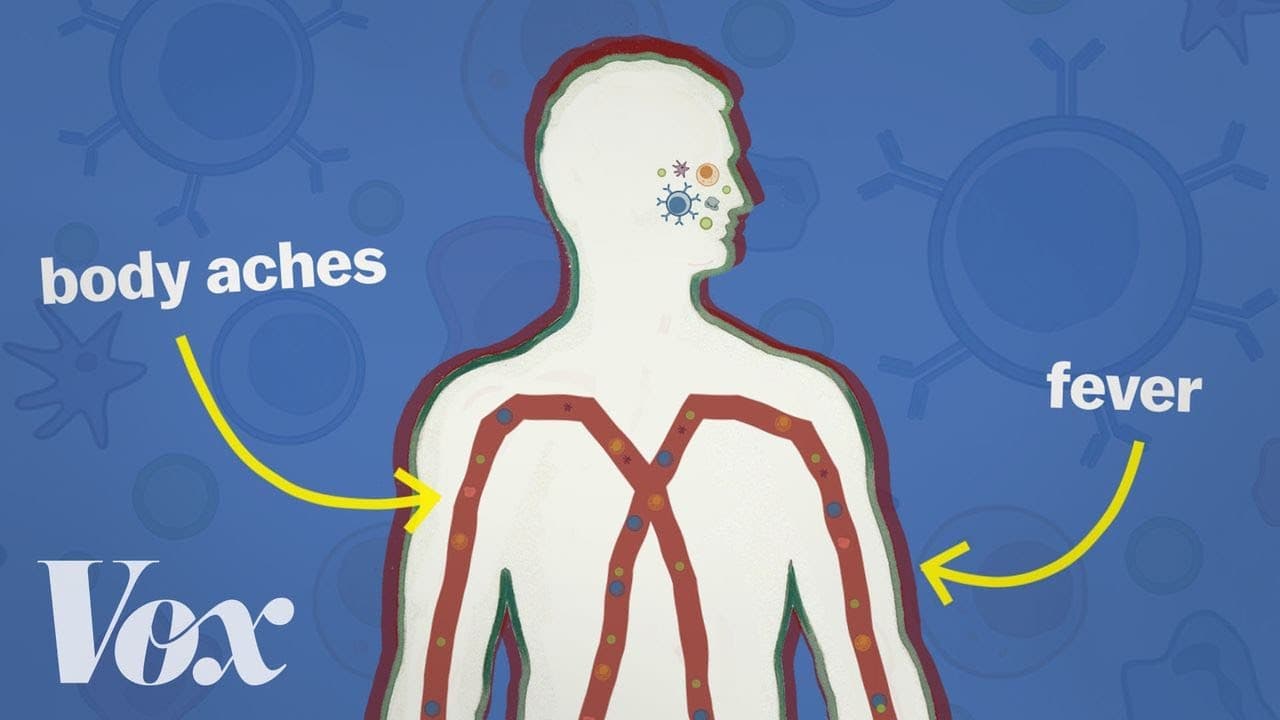
- Side effects, often referred to as adverse events, are a normal part of the vaccination process and signal the immune system's activation.
- Common side effects of vaccines include pain at the injection site, fatigue, and headaches, which are generally mild and short-lived.
- The immune system's response to vaccines mimics its response to real pathogens, creating antibodies without causing illness.
- Messenger RNA vaccines, like some Covid-19 vaccines, have high efficacy rates due to their ability to robustly stimulate the immune system.
- Mild side effects are typically a sign that the vaccine is working, indicating the body's immune response is being triggered.
- Severe side effects are rare, and vaccines undergo rigorous testing to ensure they do not cause serious harm before public distribution.
- Vaccines are critical in reducing the spread of viruses and are a key tool in combating the Covid-19 pandemic.
Install to Summarize YouTube Videos and Get Transcripts
Explore YouTube Video Summarizer or Get YouTube Transcript Extractor
Questions & Answers
Q: Why are human trials important in vaccine development?
Human trials are crucial in vaccine development as they assess the vaccine's safety and effectiveness in real people. These trials are conducted in phases, starting with small groups and expanding to thousands, to ensure the vaccine works well and does not cause serious side effects before being approved for public use.
Q: What are common side effects of vaccines?
Common side effects of vaccines include pain at the injection site, fatigue, and headaches. These symptoms are generally mild and short-lived, indicating that the immune system is responding to the vaccine as intended. Such reactions are typical and show that the vaccine is triggering the body's natural defenses.
Q: How do vaccines work to create immunity?
Vaccines work by mimicking a real infection, using weakened or inactive parts of a pathogen, or genetic material like messenger RNA, to stimulate the immune system. This triggers the production of antibodies without causing illness, preparing the body to recognize and fight the actual pathogen if exposed in the future.
Q: Why do some vaccines cause more side effects than others?
Some vaccines, particularly newer ones like the Covid-19 messenger RNA vaccines, are designed to strongly stimulate the immune system, leading to higher efficacy rates. This robust immune activation can result in more noticeable side effects, such as pain, fatigue, and headaches, which are signs that the vaccine is effectively working.
Q: Are severe side effects common with vaccines?
Severe side effects from vaccines are rare. Vaccines undergo extensive testing to ensure they do not cause serious harm before being approved for public use. The rigorous testing process aims to identify any potential risks, ensuring that vaccines are safe and effective for the general population.
Q: What is the significance of a 95% efficacy rate in vaccines?
A 95% efficacy rate means that the vaccine is highly effective in preventing the disease it targets, such as Covid-19. This high efficacy rate indicates that the vaccine can significantly reduce the risk of infection, contributing to the control of virus spread and helping to end the pandemic when widely administered.
Q: Why should people not fear vaccine side effects?
People should not fear vaccine side effects because they are generally mild, temporary, and a sign that the immune system is responding as it should. Understanding that these reactions indicate the vaccine is working can help alleviate concerns and reinforce confidence in the vaccination process.
Q: How do vaccines contribute to ending the Covid-19 pandemic?
Vaccines contribute to ending the Covid-19 pandemic by reducing the spread of the virus. By immunizing a large portion of the population, the pool of people the virus can infect decreases, which helps to control outbreaks and protect vulnerable populations, ultimately leading to a return to normalcy.
Summary & Key Takeaways
-
Vaccines undergo a rigorous development process, including multiple phases of human trials, to ensure their safety and effectiveness. Side effects are a common part of this process and indicate the immune system is responding as it should.
-
Common side effects like pain, fatigue, and headaches are mild and temporary, signaling the immune system's activation. Messenger RNA vaccines are particularly effective, with high efficacy rates, due to their ability to strongly stimulate the immune system.
-
Vaccines are thoroughly tested to prevent serious side effects and are essential in controlling the spread of diseases like Covid-19. Mild side effects are a positive sign, showing the vaccine is working to create immunity.
Read in Other Languages (beta)
Share This Summary 📚
Summarize YouTube Videos and Get Video Transcripts with 1-Click
Try YouTube Summary with ChatGPT & Claude or YouTube Transcript Generator
Explore More Summaries from Vox 📚






Summarize YouTube Videos and Get Video Transcripts with 1-Click
Try YouTube Summary with ChatGPT & Claude or YouTube Transcript Generator