How Native Hawaiians Reclaimed Kaho‘olawe
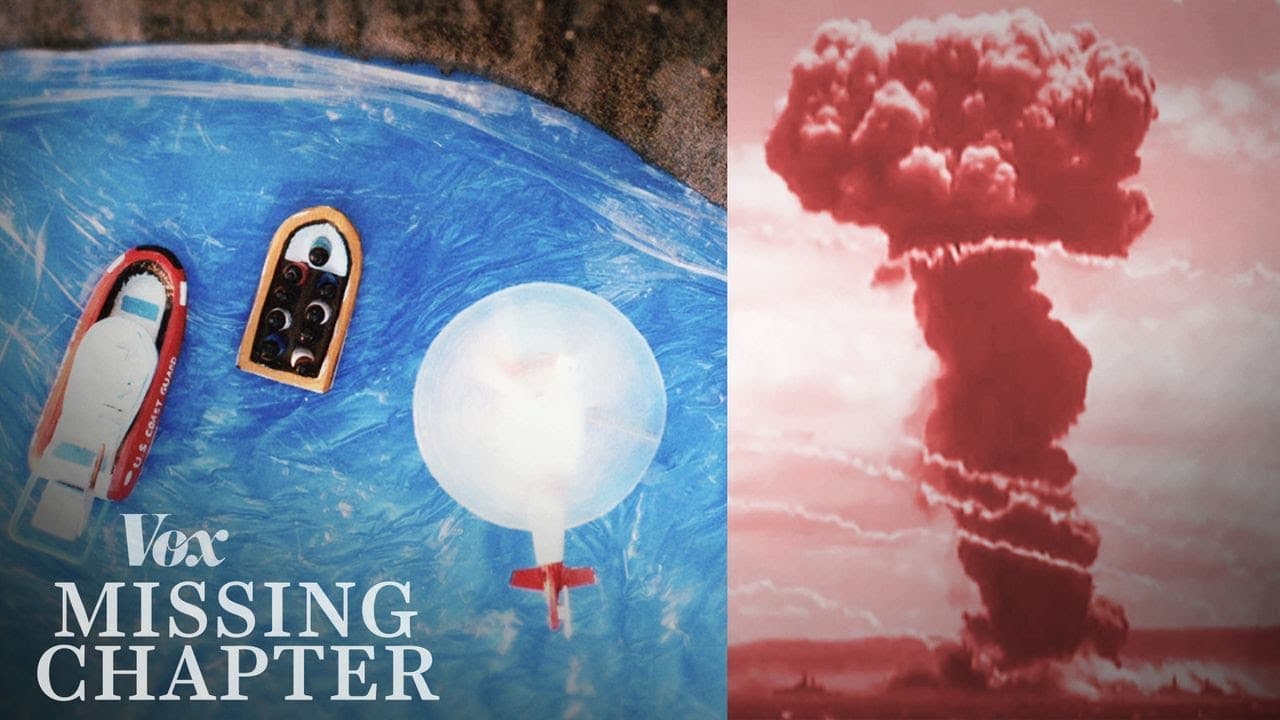
TL;DR
Native Hawaiians successfully reclaimed the island of Kaho‘olawe from the US Navy after years of military bombing practices. This victory was part of a broader movement for Hawaiian sovereignty and cultural revival, highlighting the significance of Aloha ‘Aina, or love for the land. The island's restoration continues to symbolize hope and resilience for Native Hawaiians.
Transcript
On January 4th, 1976, a fleet of boats left the coast of Maui. The goal was to get to the Hawaiian island of Kaho‘olawe. For centuries Native Hawaiians had fished and farmed here. And they'd worshipped at its many religious sites. Its original name had been Kohemalamalama o Kanaloa. The island had been very sacred and dedicated to Kanaloa. The God ... Read More
Key Insights
- Kaho‘olawe was used by the US military for bombing practice, causing severe environmental damage.
- Native Hawaiians have a deep cultural and spiritual connection to Kaho‘olawe, which was historically a sacred site.
- The ALOHA organization initiated protests to reclaim Kaho‘olawe as part of a larger movement for Hawaiian sovereignty.
- Activists occupied Kaho‘olawe in 1976 to draw attention to the military's misuse of the land.
- The Protect Kaho‘olawe ‘Ohana group was formed to care for the island and revive cultural practices.
- In 1990, President George H.W. Bush ordered the halt of bombing on Kaho‘olawe, marking a significant victory.
- Kaho‘olawe's restoration is ongoing, with efforts to remove bomb fragments and revitalize the land.
- The struggle for Kaho‘olawe has become a symbol of hope and resilience for the broader Hawaiian sovereignty movement.
Install to Summarize YouTube Videos and Get Transcripts
Explore YouTube Video Summarizer or Get YouTube Transcript Extractor
Questions & Answers
Q: How did Native Hawaiians reclaim Kaho‘olawe from the US Navy?
Native Hawaiians reclaimed Kaho‘olawe through persistent activism and legal action. In 1976, activists from the ALOHA organization occupied the island to protest its use as a military bombing range. This sparked a broader movement, leading to a class action lawsuit against the Navy. By 1990, the US government halted bombing practices, and the island was returned to the state of Hawaii for restoration.
Q: What is the significance of Kaho‘olawe to Native Hawaiians?
Kaho‘olawe holds deep cultural and spiritual significance for Native Hawaiians. Historically, it was a sacred site dedicated to Kanaloa, the God of the ocean, and played a crucial role in celestial navigation. The island's reclamation symbolizes the resilience of Native Hawaiians and their efforts to revive cultural practices and assert sovereignty over their ancestral lands.
Q: What environmental damage did the US military cause on Kaho‘olawe?
The US military's use of Kaho‘olawe as a bombing range caused severe environmental damage. The island was littered with unexploded ordnance, artillery debris, and targets. Bombing practices deforested the land, eroded soil, and polluted the surrounding ocean. This devastation prompted Native Hawaiians to demand the island's restoration and end military use.
Q: What role did the Protect Kaho‘olawe ‘Ohana play in the island's restoration?
The Protect Kaho‘olawe ‘Ohana (PKO) was instrumental in the island's restoration efforts. Formed after the initial occupation in 1976, PKO focused on reviving cultural practices and restoring the island's ecosystem. They advocated for the removal of military debris, organized cultural ceremonies, and worked with the state to ensure Kaho‘olawe's protection and healing.
Q: How did the Hawaiian Renaissance relate to the Kaho‘olawe movement?
The Hawaiian Renaissance was a cultural revival movement that coincided with the Kaho‘olawe protests. It emphasized the revival of Hawaiian language, arts, and traditions, alongside political activism for sovereignty and land rights. The struggle for Kaho‘olawe became a catalyst for this broader movement, uniting Native Hawaiians in their fight for cultural and political recognition.
Q: What legal actions were taken to stop the military use of Kaho‘olawe?
Legal action to stop the military use of Kaho‘olawe included a class action civil suit against the US Navy. Activists claimed the Navy violated environmental protection laws and the National Historic Preservation Act by damaging cultural sites. This lawsuit led to a consent decree in 1980, requiring the Navy to clean up the island and grant partial access to activists.
Q: What is Aloha ‘Aina and its importance in the Kaho‘olawe movement?
Aloha ‘Aina, meaning 'love of the land,' is a central concept in the Kaho‘olawe movement. It represents a deep connection to and respect for the land, embodying both cultural and political significance. For Native Hawaiians, Aloha ‘Aina inspired the fight to reclaim Kaho‘olawe, emphasizing the importance of environmental stewardship and cultural revival in their sovereignty efforts.
Q: What challenges remain in the restoration of Kaho‘olawe?
Despite significant progress, challenges remain in Kaho‘olawe's restoration. The island still contains unexploded ordnance and bomb fragments, posing environmental and safety risks. Ongoing efforts by Protect Kaho‘olawe ‘Ohana and the state aim to address these issues, focusing on ecological restoration and cultural revitalization to heal the land and preserve its significance for future generations.
Summary & Key Takeaways
-
Native Hawaiians reclaimed Kaho‘olawe from the US Navy after decades of military use as a bombing range. The island's cultural and spiritual significance fueled a broader movement for Hawaiian sovereignty and cultural revival. The Protect Kaho‘olawe ‘Ohana group played a key role in the island's ongoing restoration, making it a symbol of hope for Native Hawaiians.
-
The ALOHA organization and subsequent activists occupied Kaho‘olawe in 1976 to protest the military's environmental damage. Their efforts led to a halt in bombing practices in 1990 and partial restoration of the island. This movement highlighted the importance of Aloha ‘Aina and inspired the Hawaiian Renaissance, a cultural revival and push for sovereignty.
-
Kaho‘olawe's reclamation was a pivotal moment in the Hawaiian sovereignty movement. The island, once sacred and later devastated by military use, is now a symbol of cultural revival and environmental restoration. The ongoing efforts to heal Kaho‘olawe reflect the resilience and determination of Native Hawaiians to reclaim their land and heritage.
Read in Other Languages (beta)
Share This Summary 📚
Summarize YouTube Videos and Get Video Transcripts with 1-Click
Try YouTube Summary with ChatGPT & Claude or YouTube Transcript Generator
Explore More Summaries from Vox 📚



Summarize YouTube Videos and Get Video Transcripts with 1-Click
Try YouTube Summary with ChatGPT & Claude or YouTube Transcript Generator