What Is Aristotle's View on True Friendship?
TL;DR
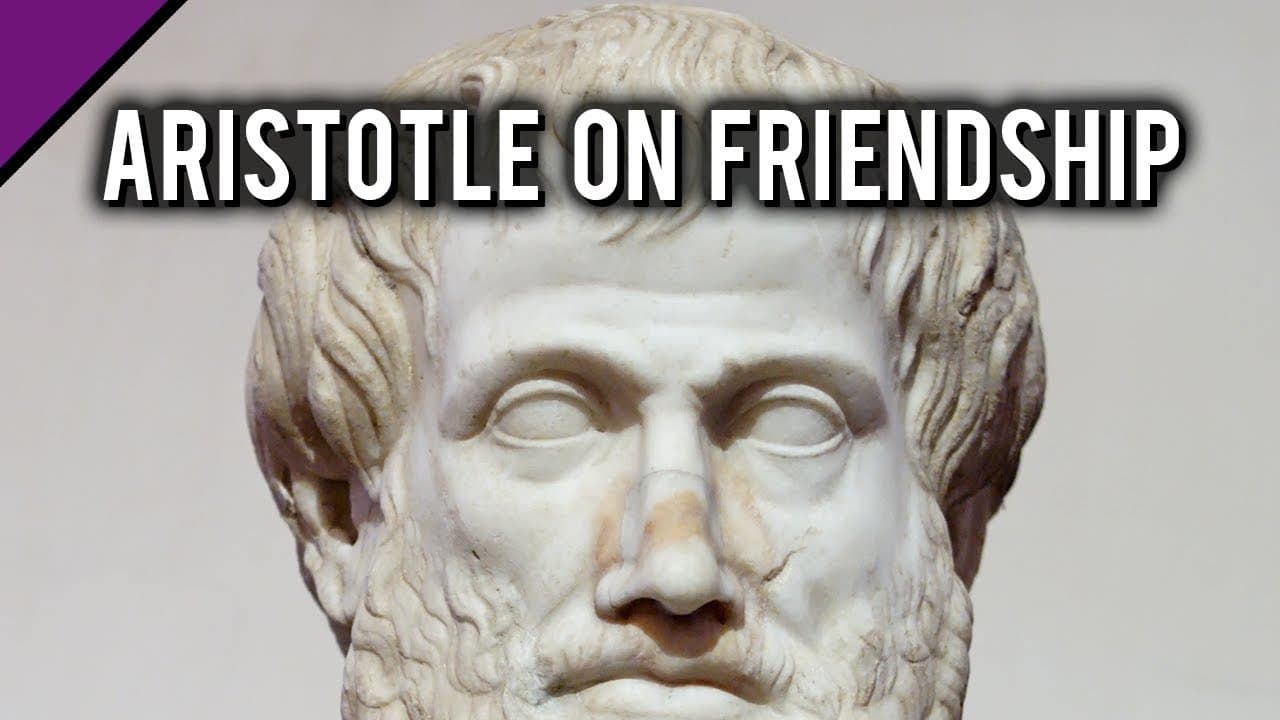
Aristotle defines true friendship as a deep bond based on mutual appreciation of virtues and character, distinguishing it from more superficial friendships based on utility or pleasure. He argues that friendships of virtue require time and trust, ultimately offering both emotional joy and practical benefits, and are essential for a fulfilling life.
Transcript
At age 17, Aristotle enrolled in the Platonic Academy. He would stay there for 20 years. Founded by the father of Western philosophy, the Greek philosopher Plato, Aristotle was the most promising student around. He asked many questions and answered even more. The exact time of his departure from The Academy is disputed, but it’s said that he left s... Read More
Key Insights
- 🤔 Aristotle's enrollment in the Platonic Academy and subsequent departure marked the beginning of his independent thinking and original ideas.
- 💦 His works spanned various subjects, influencing fields like astronomy, physics, ethics, and economics for over 2,000 years.
- 🖤 Aristotle classified friendships into accidental friendships of utility and pleasure, which lack depth, and the friendship of virtue, which is built on mutual appreciation of virtues and character.
- 🚙 Friendships of virtue require time, trust, and mutual growth, offering both pleasure and utility in addition to depth and intimacy.
- 👋 Aristotle emphasized the importance of good relationships, as they directly shape the quality of our lives.
- 🛟 The cultivation of intentional friendships based on virtues and character adds value and meaning to life.
- 🖤 Accidental friendships can still be beneficial but lack the depth and solid foundation of friendships of virtue.
Install to Summarize YouTube Videos and Get Transcripts
Explore YouTube Video Summarizer or Get YouTube Transcript Extractor
Questions & Answers
Q: What is the significance of Aristotle's departure from the Platonic Academy?
Aristotle left the Academy soon after Plato's death due to his disagreement with the direction it took. This departure marked the beginning of his independent thinking and original ideas.
Q: How did Aristotle view accidental friendships?
Aristotle recognized accidental friendships based on utility and pleasure but believed they lacked depth and a strong foundation. He saw them as more temporary and limited in quality compared to friendships of virtue.
Q: What is the difference between accidental friendships of utility and pleasure?
Friendships of utility are formed for mutual benefits, such as business or work relationships, while friendships of pleasure are based on emotional connection and shared interests, commonly seen among college friends or sports teams.
Q: What is the friendship of virtue according to Aristotle?
The friendship of virtue is the highest form of friendship advocated by Aristotle. It is based on mutual appreciation and respect for the virtues and qualities that each person embodies. These relationships require time, trust, and mutual growth.
Summary & Key Takeaways
-
Aristotle enrolled in the Platonic Academy at age 17, where he spent 20 years studying and eventually diverged from his teacher Plato's ideas.
-
Aristotle's works influenced various fields, including astronomy, physics, ethics, and economics, making him one of the most widely read and quoted thinkers.
-
Aristotle outlined three types of friendships, with accidental friendships based on utility and pleasure being less substantial than friendships of virtue.
Read in Other Languages (beta)
Share This Summary 📚
Summarize YouTube Videos and Get Video Transcripts with 1-Click
Try YouTube Summary with ChatGPT & Claude or YouTube Transcript Generator
Explore More Summaries from The Art of Improvement 📚




Summarize YouTube Videos and Get Video Transcripts with 1-Click
Try YouTube Summary with ChatGPT & Claude or YouTube Transcript Generator