How Can Academics Write Books for General Readers? | The Writer’s Perspective: Luke Menand
TL;DR
Academics can write effectively for general readers by connecting ideas to people, shaping material into a narrative, and developing a recognizable voice. Luke Menand recommends addressing intelligent, educated readers who know little about the subject, explaining what specialists take for granted without talking down to them. Read on for his guidance on audience, personality, storytelling, and the limited financial rewards of trade books.
Transcript
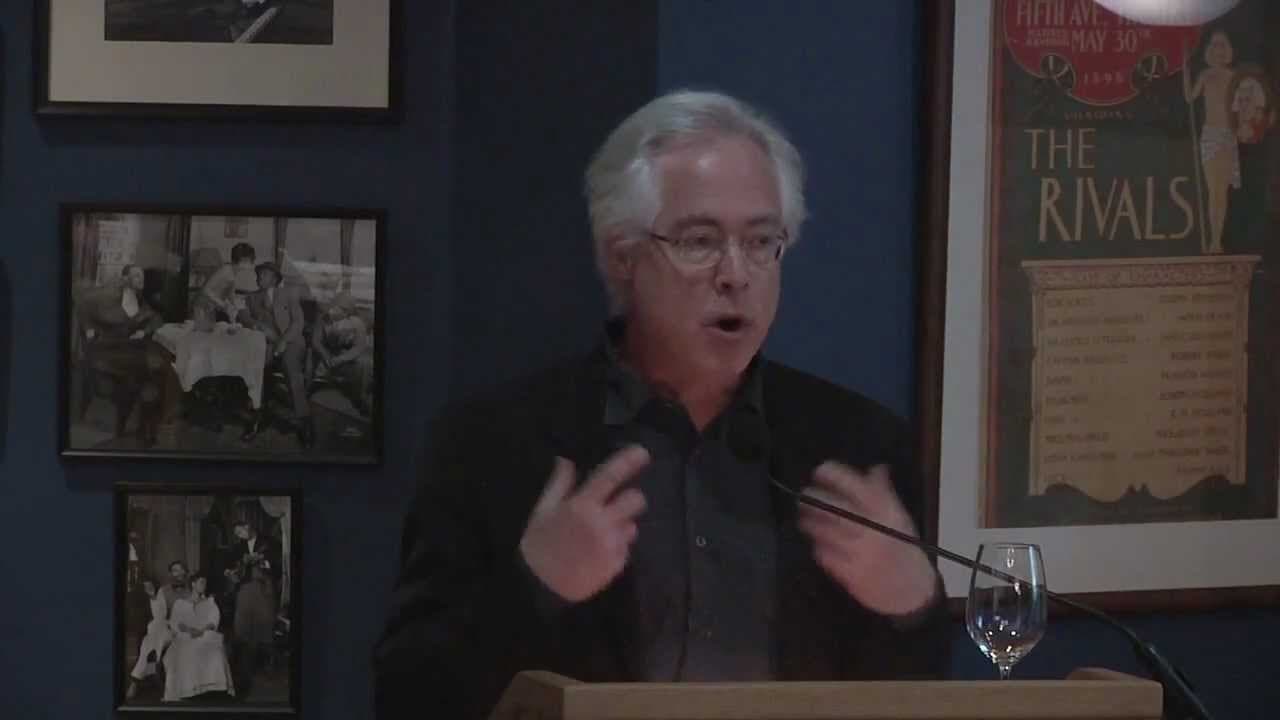
LUKE MENAND: That was great. Dan Gilbert is an incredibly talented writer. A lot of the hard part is, as he says, finding the voice, who you are on the page. That's what readers want to encounter. Mainly, I'm going to make some comments that merely repeat and underline what has already been said because this is all excellent advice. One thing that ... Read More
Key Insights
- "But most people like to read books about people." (0:50)
- "But again, there's nothing wrong with turning what you have to say into a narrative because people like to follow it in the form of a story." (1:39)
- "It's about having a personality in your writing to make people want to read more of it and get to know you a little bit better." (2:16)
- "Things that are obvious to us are not obvious at all to them." (5:26)
Install to Summarize YouTube Videos and Get Transcripts
Explore YouTube Video Summarizer or Get YouTube Transcript Extractor
Questions & Answers
Q: How can academics write books for a general audience?
Academics should place ideas and material in the context of human beings because readers respond to people. They can also turn their arguments into narratives, explain unfamiliar material clearly, and write with a distinct personality.
Q: Why should academic writers include people in their stories?
Most people like to read books about people, even though academics may enjoy books about books. Menand says including human beings enriches writing about art and ideas rather than dumbing it down.
Q: Should scholarly material be turned into a narrative?
Yes, because readers like to follow material in the form of a story. Although scholarly journal articles are not usually written this way, narrative is important when addressing a more general audience.
Q: How can writers develop a voice that engages readers?
Writers should let readers encounter who they are on the page and give their writing a personality. Menand distinguishes this from autobiography or confession, describing it as a way to help readers know the writer and want to read more.
Q: Who is the ideal audience for a non-academic book?
Menand suggests imagining a well-educated and intelligent colleague in another academic department who knows nothing about the subject. Reaching readers who are interested but unfamiliar with the field can help a book reach a much larger audience.
Q: How should academics explain ideas that specialists consider obvious?
They should state what general readers need to know because ideas obvious to scholarly peers may be entirely unfamiliar outside the field. The challenge is to explain those ideas while making readers feel intelligent and avoiding a condescending tone.
Q: Do trade books make significant money for most writers?
Menand says very few people who write trade books make significant amounts of money. His bestseller, The Metaphysical Club, took 10 years to write, and he says its earnings were not worth those 10 years when amortized.
Q: Why write a trade book if it is unlikely to make much money?
Menand says he wrote The Metaphysical Club because he wanted people to read it, not because he expected to make money. The important goal is to spread knowledge and ideas to people who would not normally encounter them.
Summary & Key Takeaways
-
It is important to think about ideas and subjects in the context of human beings because readers respond better to stories about people.
-
Turning academic writing into a narrative can make it more engaging and easier for readers to follow.
-
Adding personal touches and showcasing your personality as a writer can help readers connect with your content.
Read in Other Languages (beta)
Share This Summary 📚
Summarize YouTube Videos and Get Video Transcripts with 1-Click
Try YouTube Summary with ChatGPT & Claude or YouTube Transcript Generator
Explore More Summaries from Harvard University 📚

Summarize YouTube Videos and Get Video Transcripts with 1-Click
Try YouTube Summary with ChatGPT & Claude or YouTube Transcript Generator